Chiang's works are not merely expressions of personal creativity; they embody a profound concern for the world and life itself. Despite often lamenting his lack of contribution as an artist in the face of reality, his art remains deeply empathetic towards society. He resonates with the anguish of war, natural disasters, and fears. From confronting Taiwan's greatest catastrophe, the 921 Earthquake, to the 9/11 terrorist attacks in the United States, and the impacts of Covid-19 and the Russia-Ukraine war in 2020, Chiang channels his views and hopes through his artistic creations. He states, "What I aim to express is not tragedy, but hope.”
Transfigure
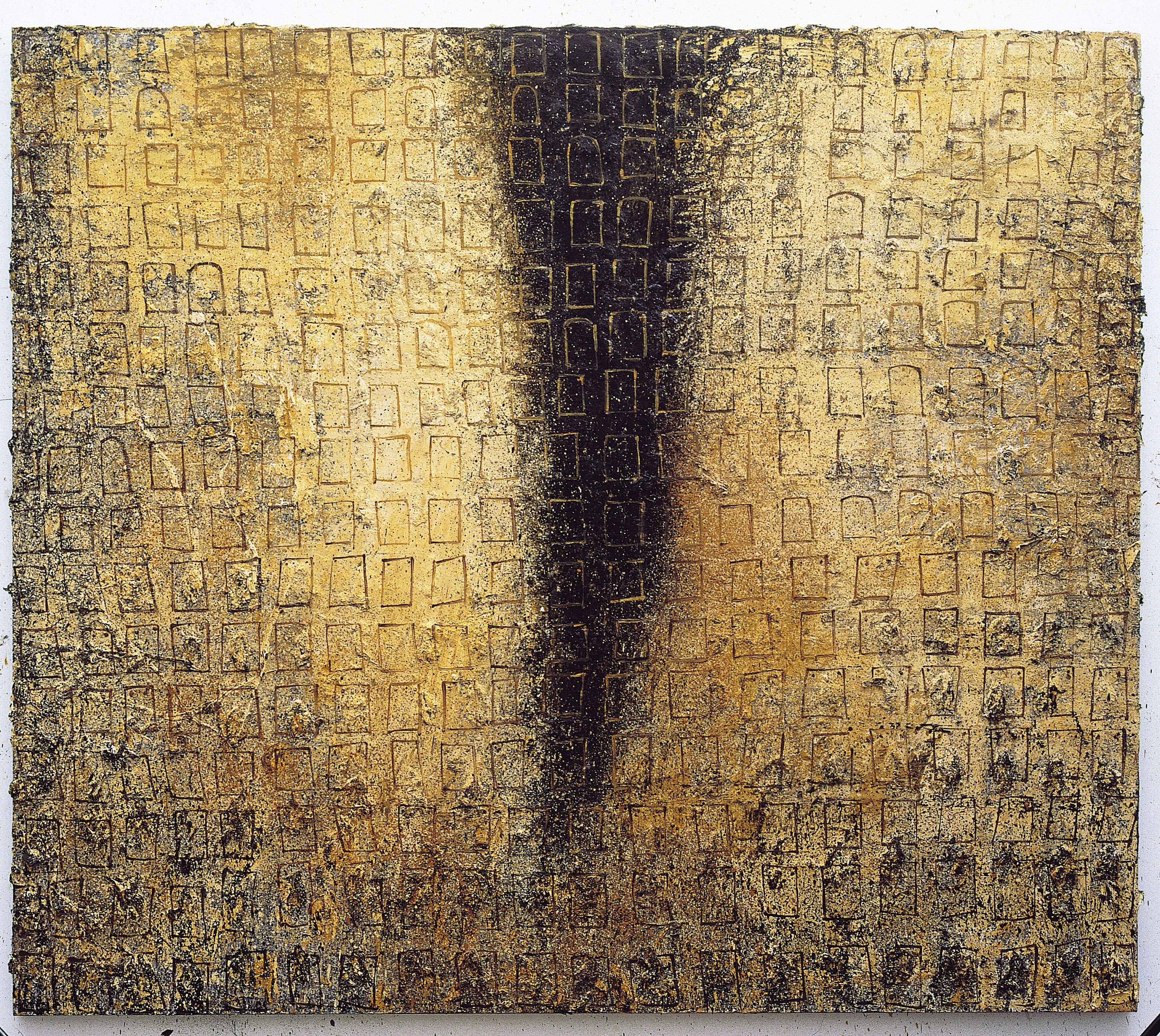
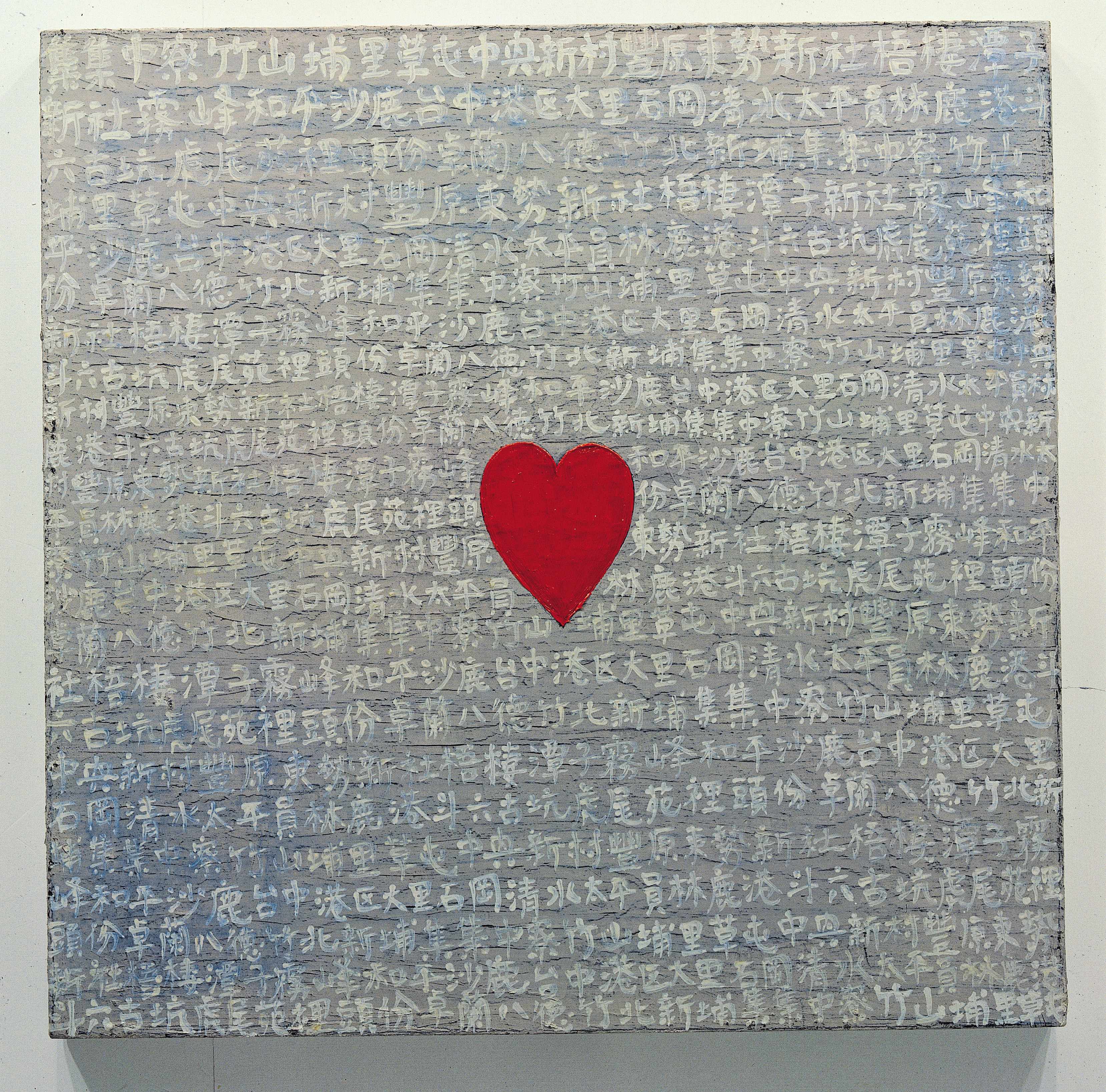
In 1998, Chiang began residing in Taiwan more permanently, and at the beginning of 1999, he moved his studio to Linkou. In September of that year, Taiwan experienced its most severe disaster to date, the 921 Earthquake. Chiang transformed the devastation of this calamity into his spiritually charged "Transfigured" series. He filled the canvases with the names of the severely affected areas, using grids to represent the collapsed brick houses and the homes of the victims, which also resembled tombstones for the deceased. The black smoke symbolized the cracked mountains. With a sense of restrained compassion, he expressed the silent and profound grief within his heart.
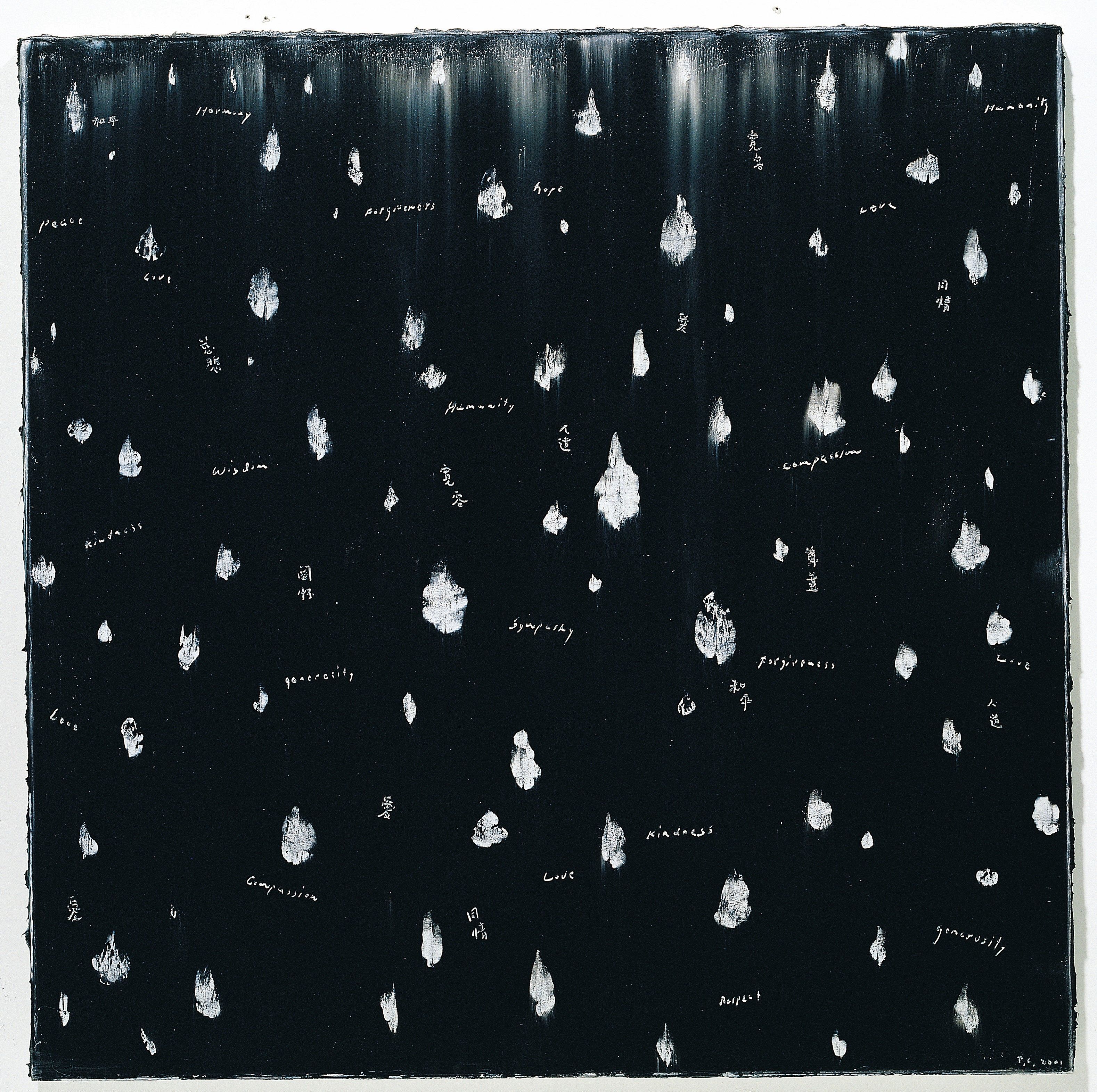
Meditation on Eternity 01-07
In 2001, the world was shaken by the 9/11 attacks in New York City. Deeply moved by the event, Chiang created "Meditation on Eternity 01-07." This work continues the style of his "Transfigured" series, inspired by the 921 Earthquake. Chiang inscribed words like "compassion," "respect," "tolerance," and "peace" directly onto the canvas in both Chinese and English, interweaving the two languages. The canvas is a desolate black, with white flowers scraped into the still-wet paint using a palette knife, symbolizing either the flash of explosions or the silhouettes of lost souls.
Despite the varied forms of the "Meditation on Eternity" series, they all embody Chiang's consistent inner essence. He explains, "The content of my paintings is actually very simple and traditional. What interests me are the basic aspects of human nature and the mysteries of life."
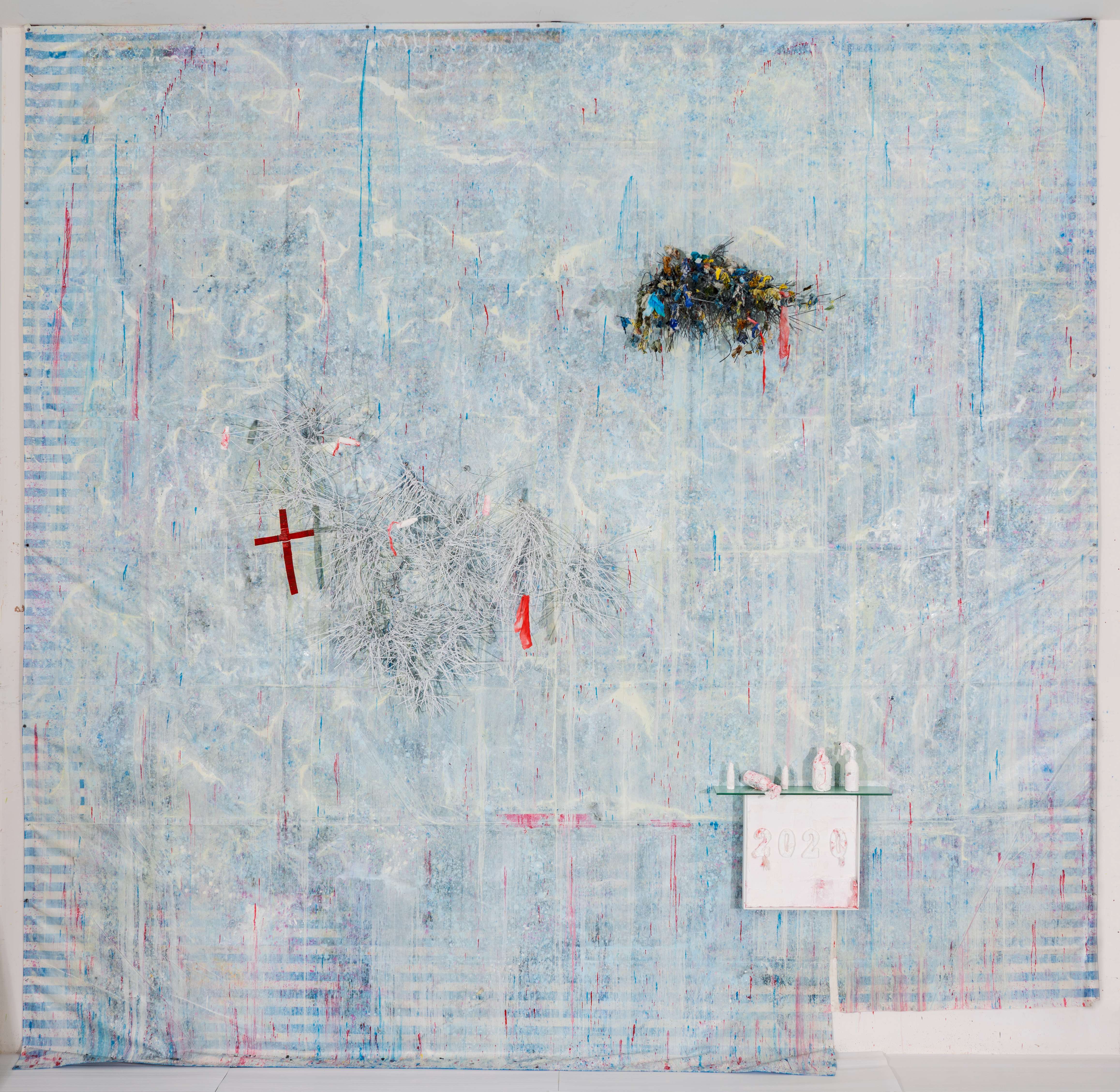
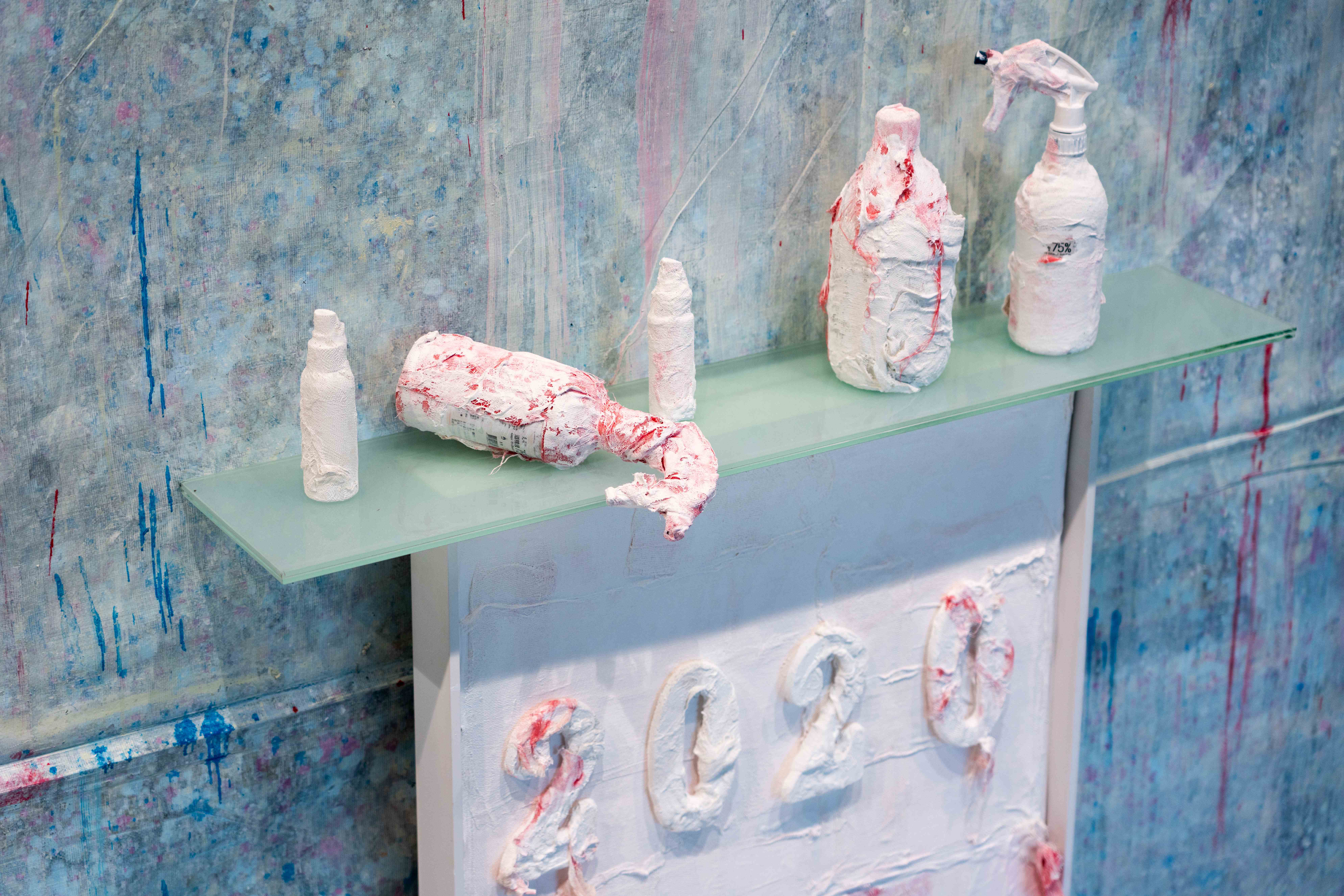
COVID-19
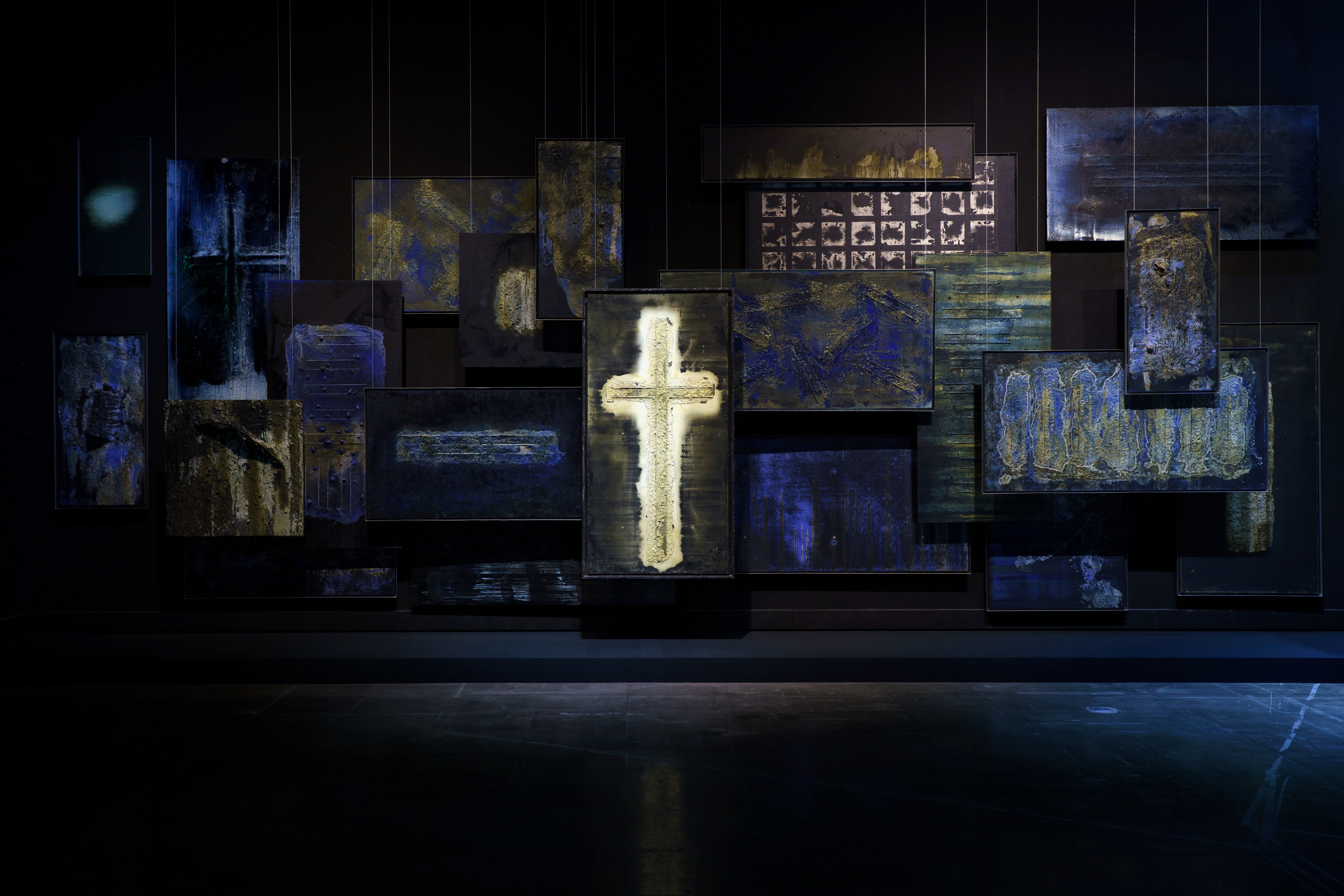
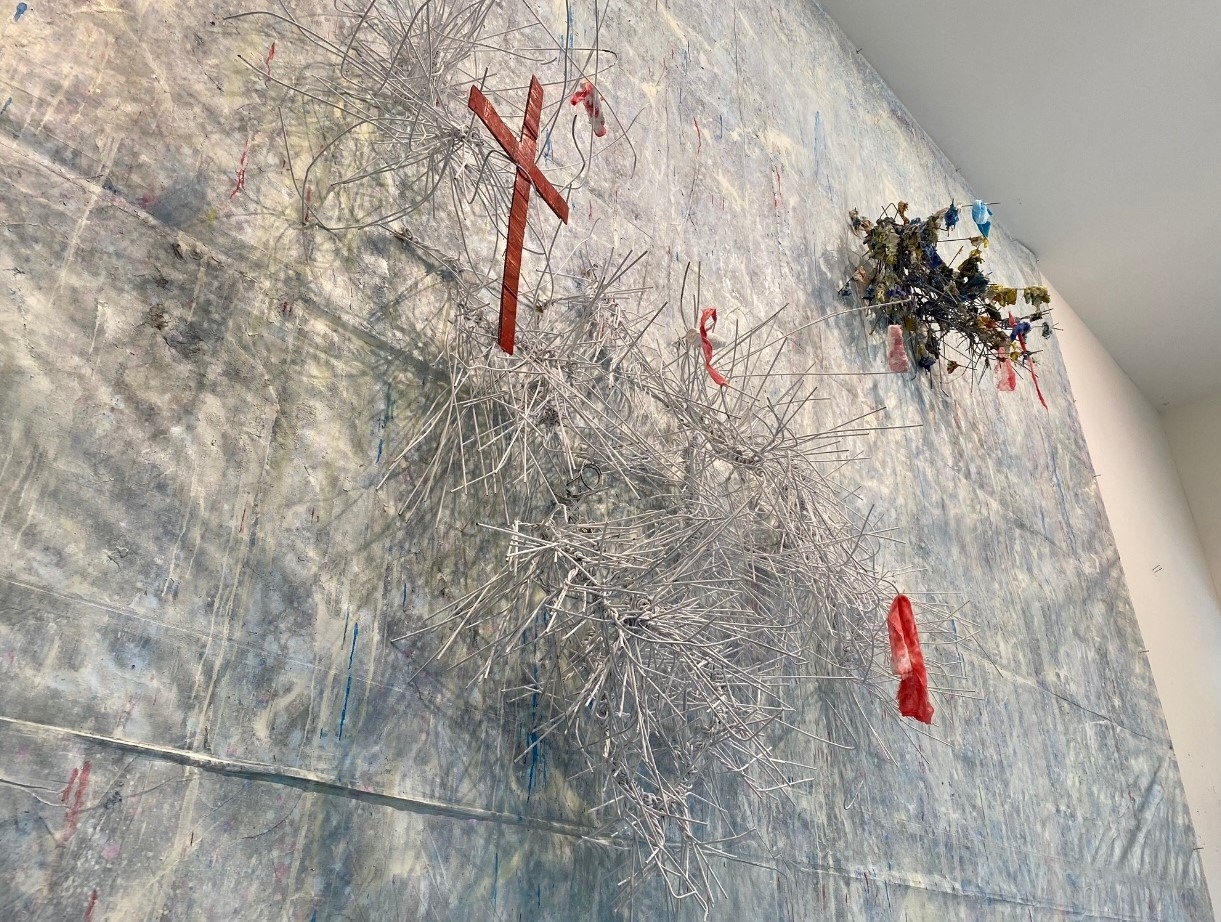
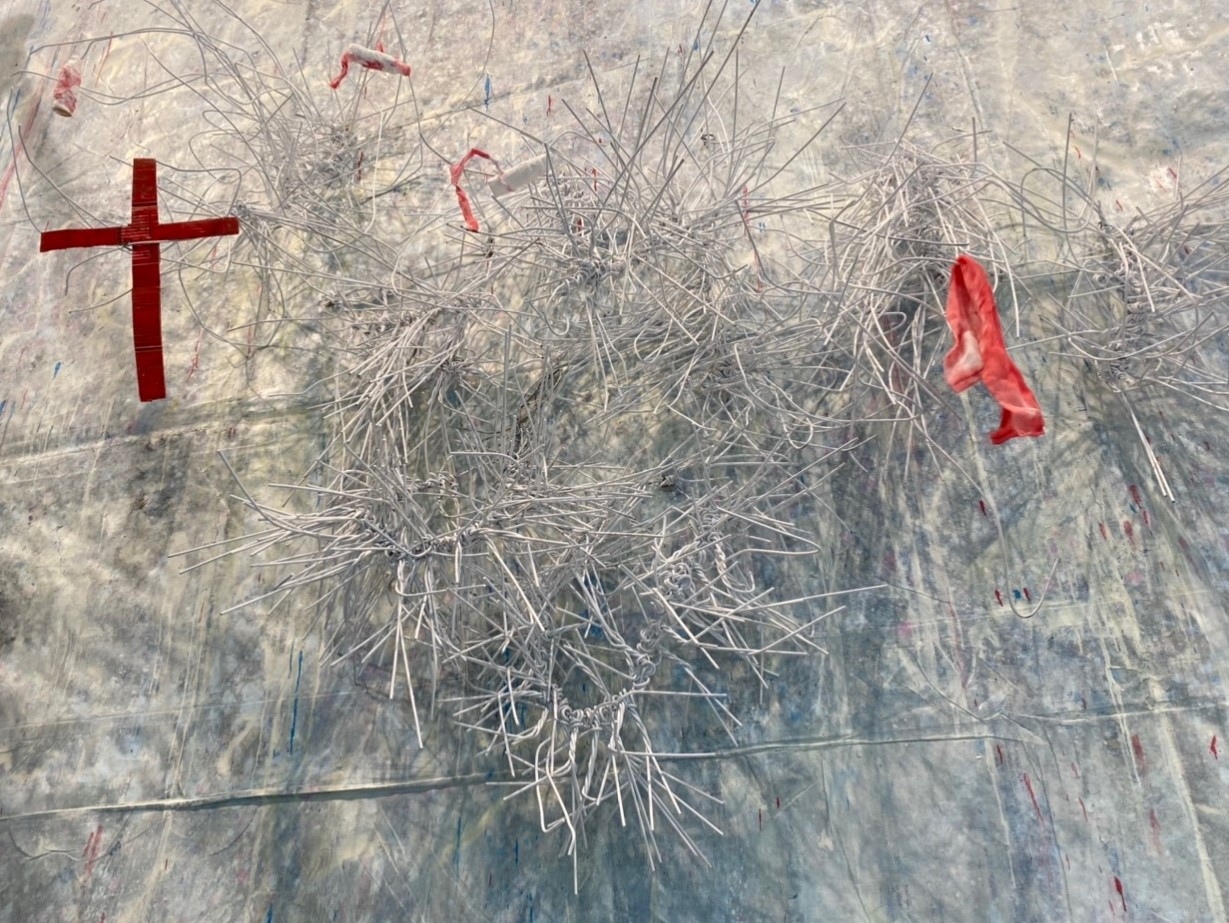
In 2020, in response to the global impact of the COVID-19 pandemic, Chiang created the piece "Covid-19" using blue and white waterproof tarpaulins spread on the floor of his studio. On top of these, he placed bottles of alcohol and disinfectant wrapped in gauze, as well as a cross, expressing his concern for the pandemic's worldwide spread. Through his artwork, Chiang hopes to highlight the resilience and determination of the human spirit in the face of sudden external changes. He aims not to portray tragedy but to convey the emotions experienced when confronting tragedy. This is reflected in his work by the cross he holds up in the background or the faint candlelight he ignites, both gentle and steadfast, offering spiritual hope and salvation.
Perish
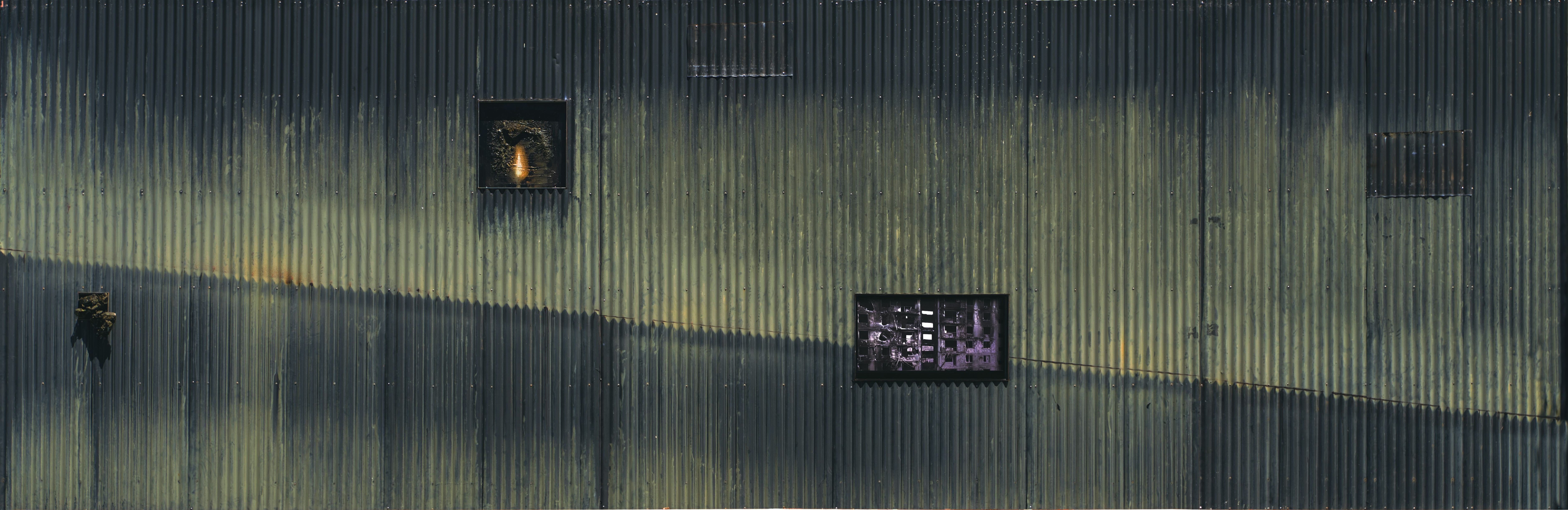
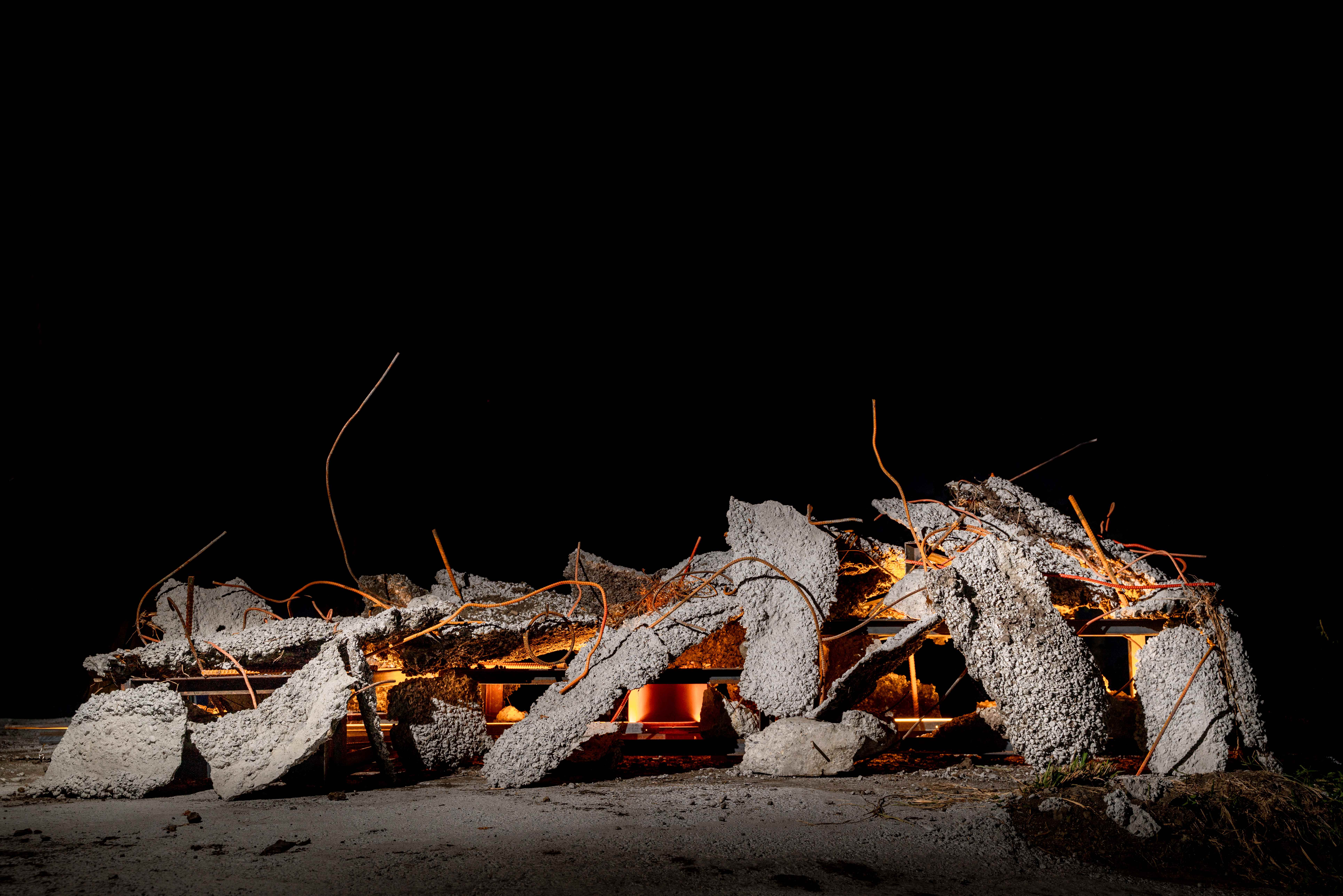
The "Perish" series was created by Chiang following the outbreak of the Russia-Ukraine war in 2022. In this series, Chiang expresses his sorrow over the war and his yearning for peace. He named the series after American poet Robert Frost's poem "Fire and Ice," published in 1920 after World War I, reflecting on the endless cycle of wars throughout history and the repeated follies of humanity.
This series of installations combines paintings, discarded building materials, images, and text, interspersed and overlapping, blending roughness with delicacy. Chiang used discarded materials from the demolition of his old studio to create these works. The weathered textures and sense of time in these materials come from the ruins, yet they also call for renewal. Previously, Chiang transformed what he saw and experienced into paintings through his inner reflections. Now, he goes a step further by directly incorporating the physical elements of his surroundings into his creations.