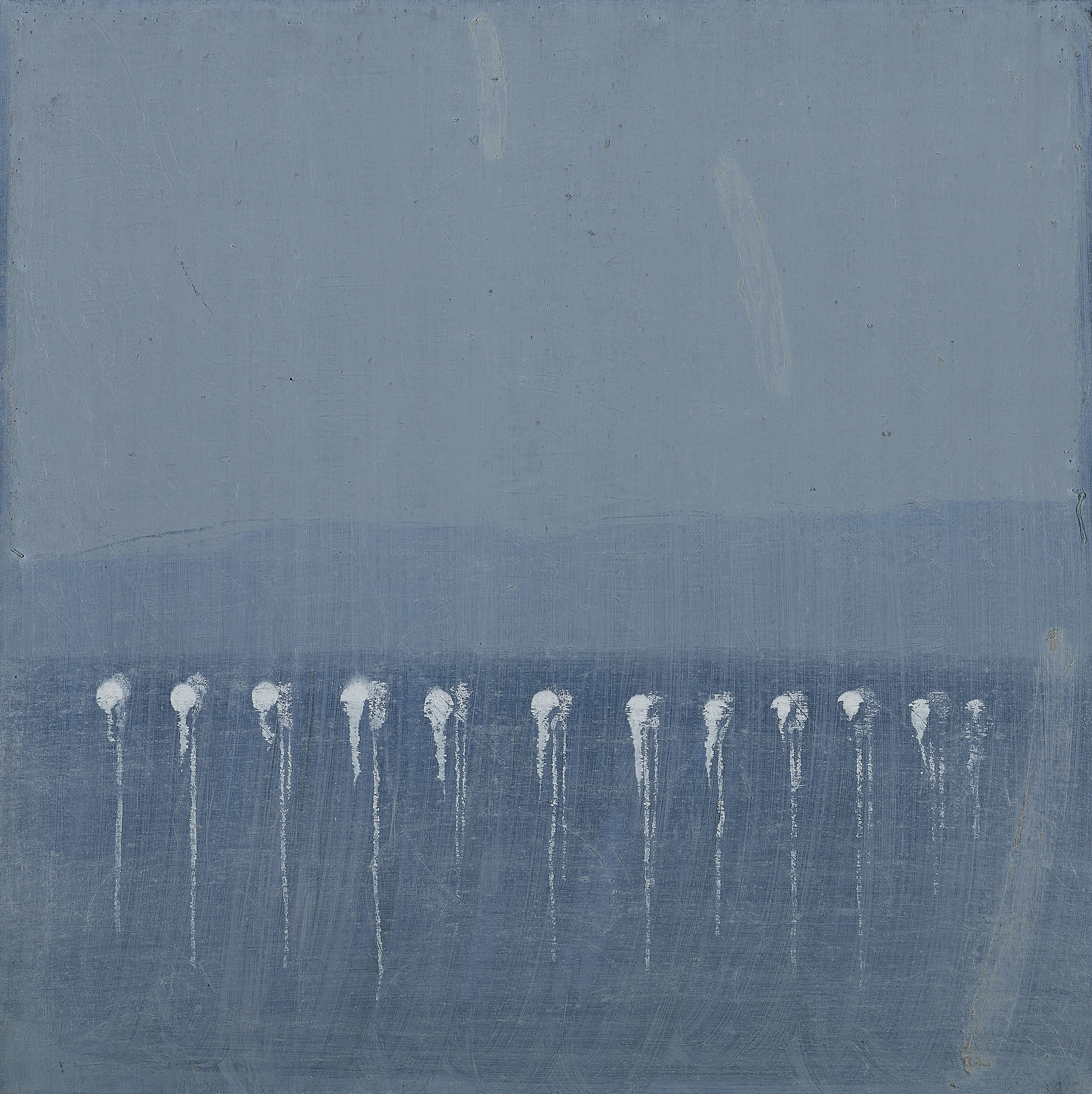
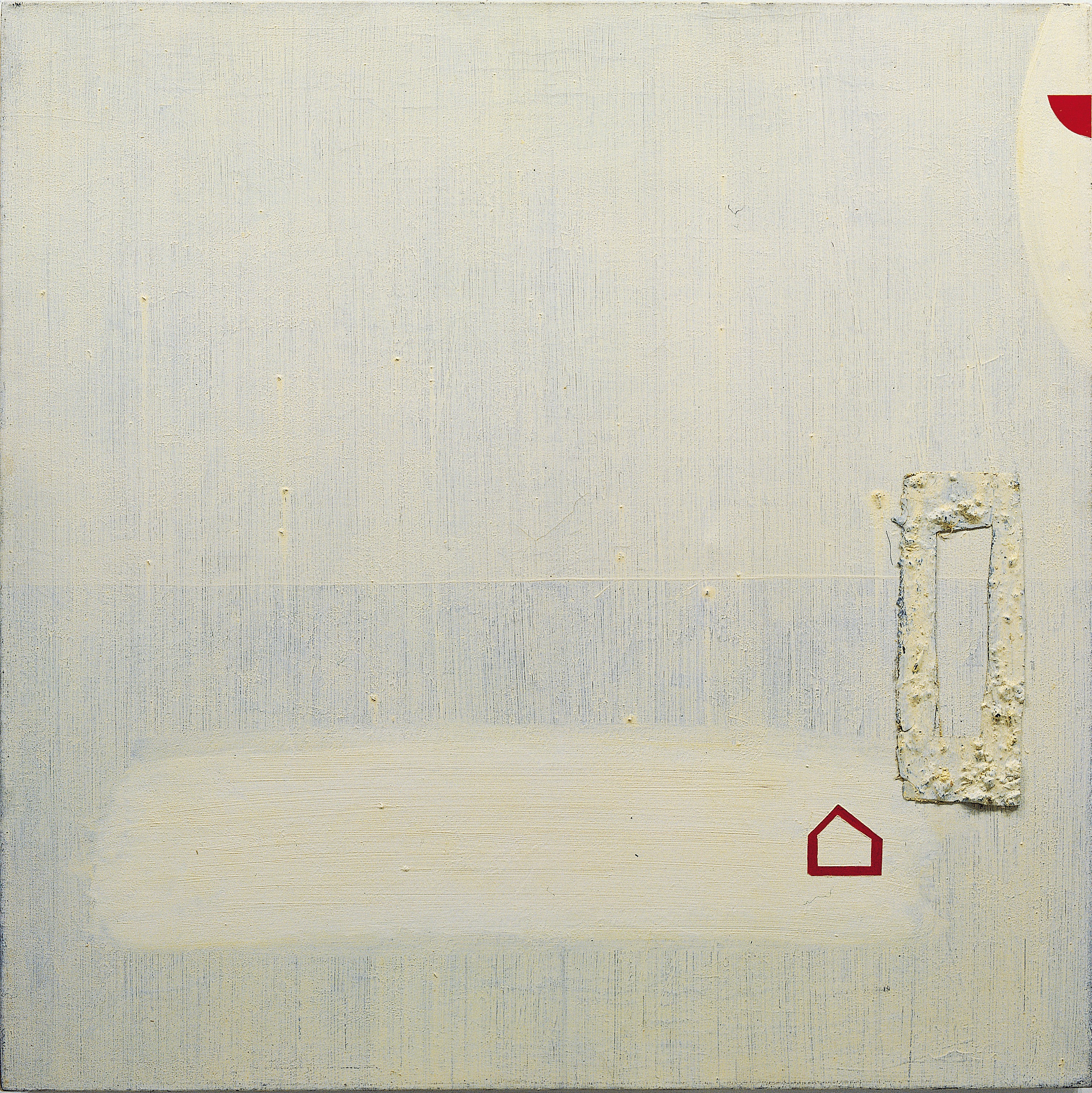
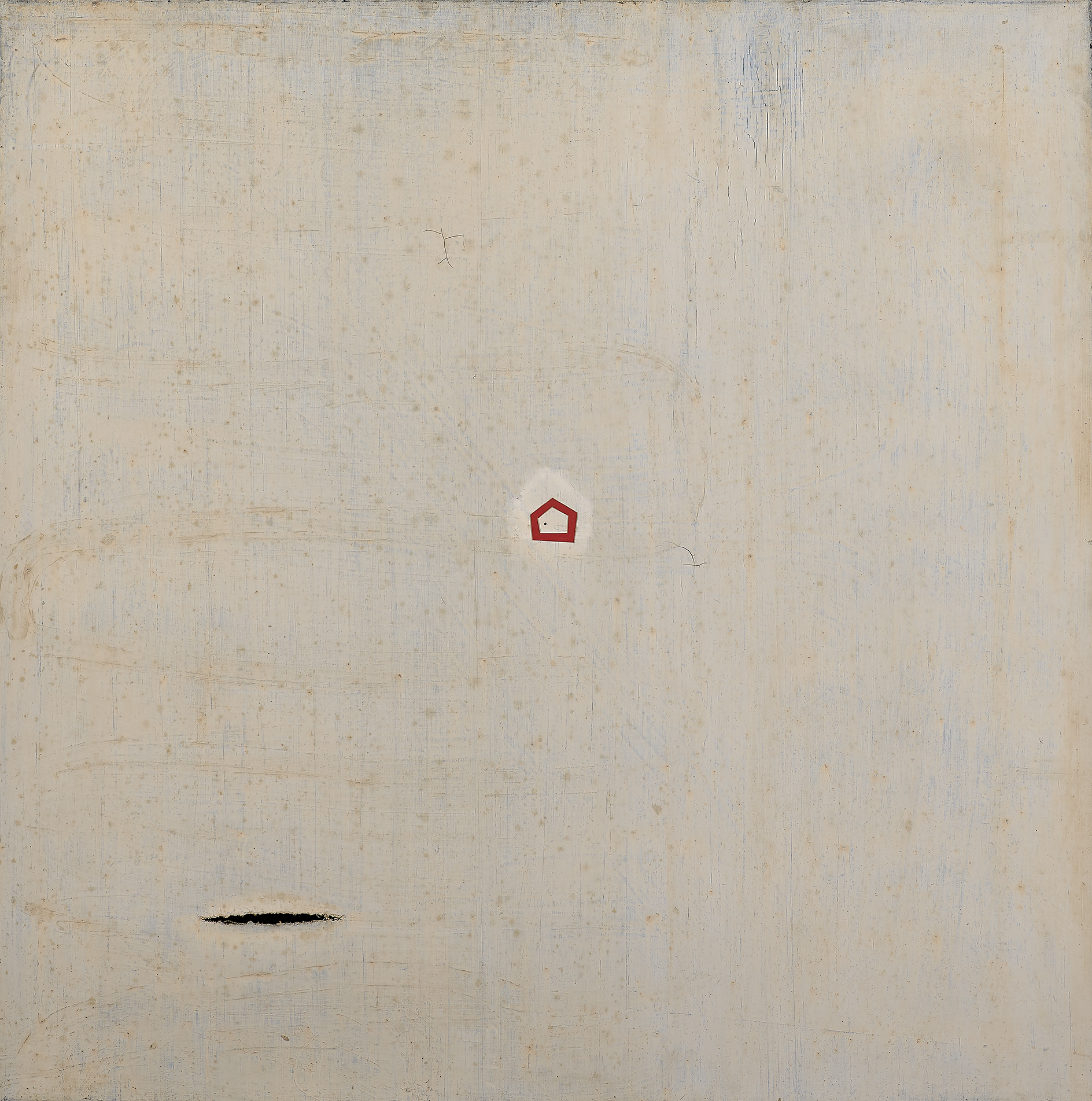
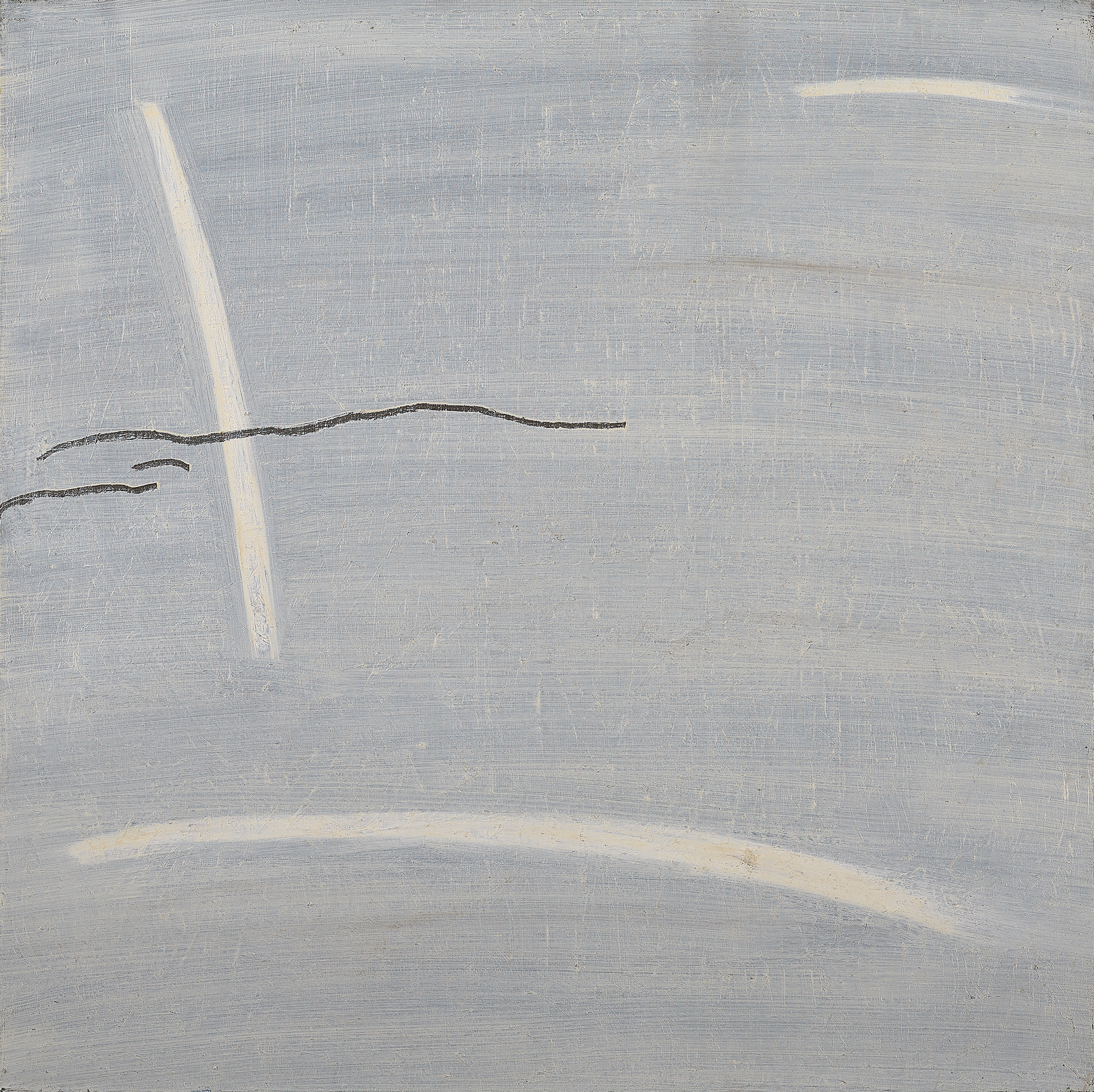
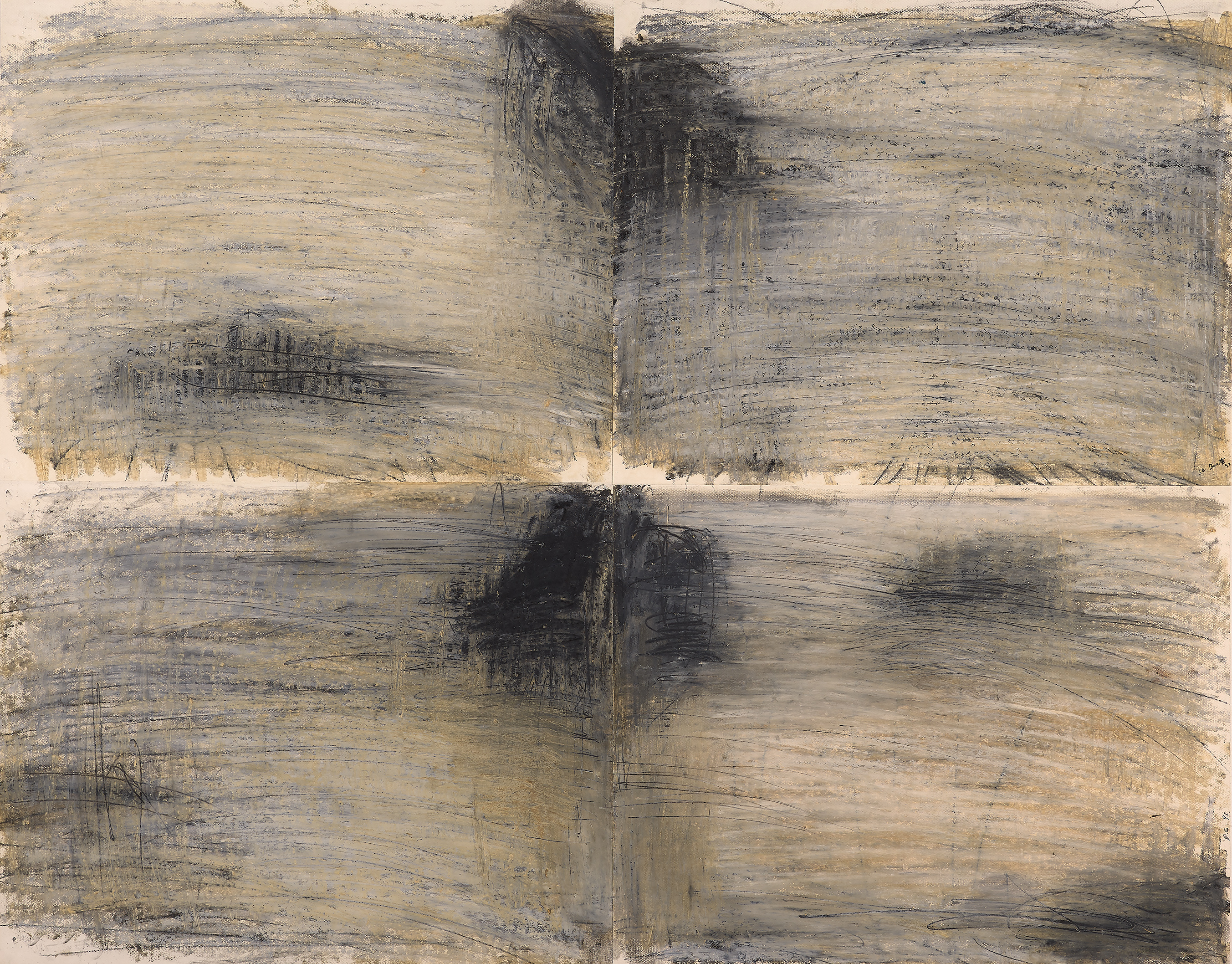
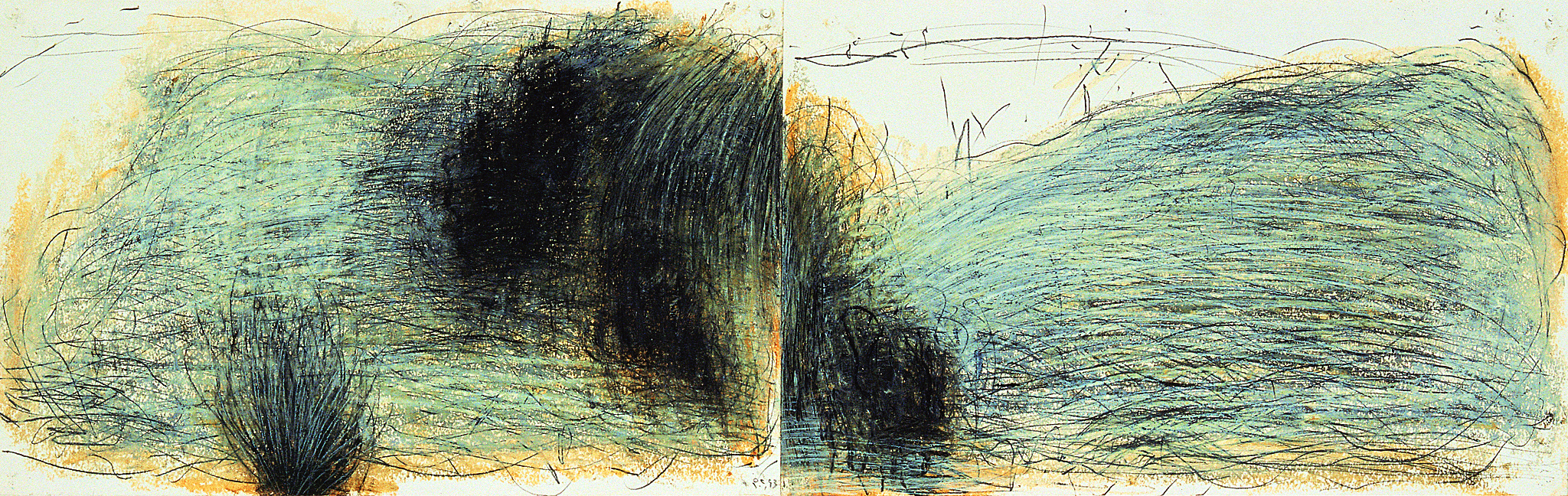
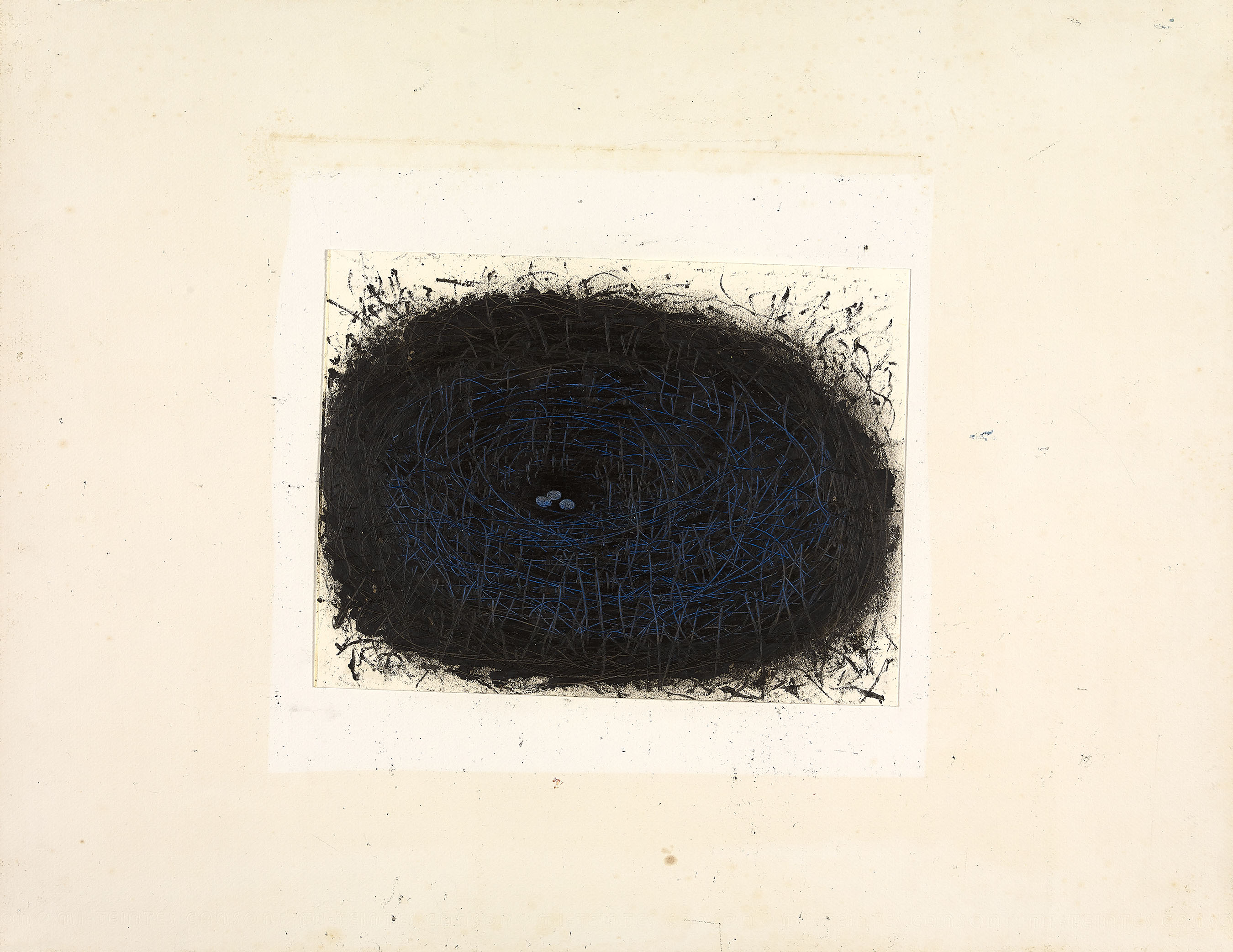
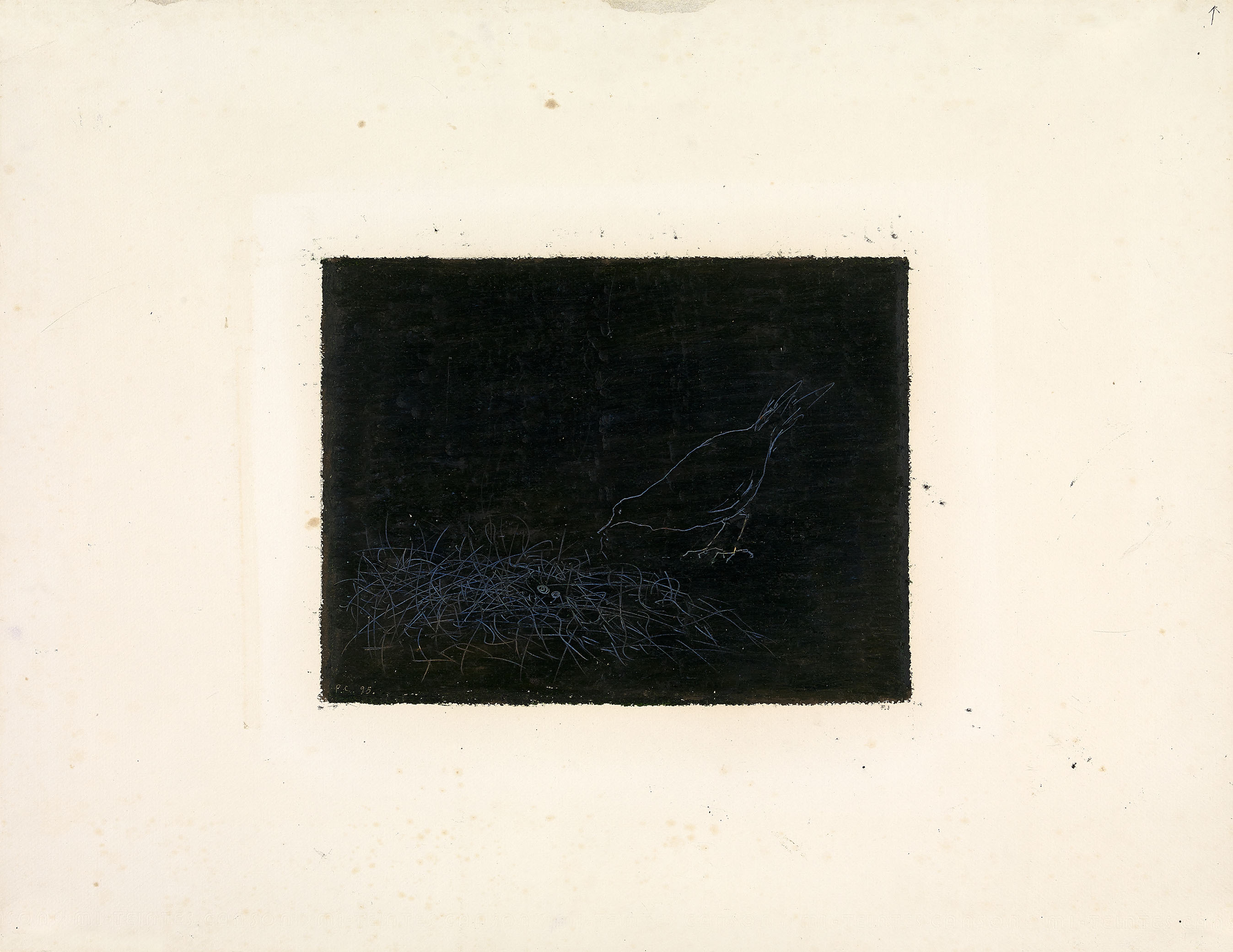
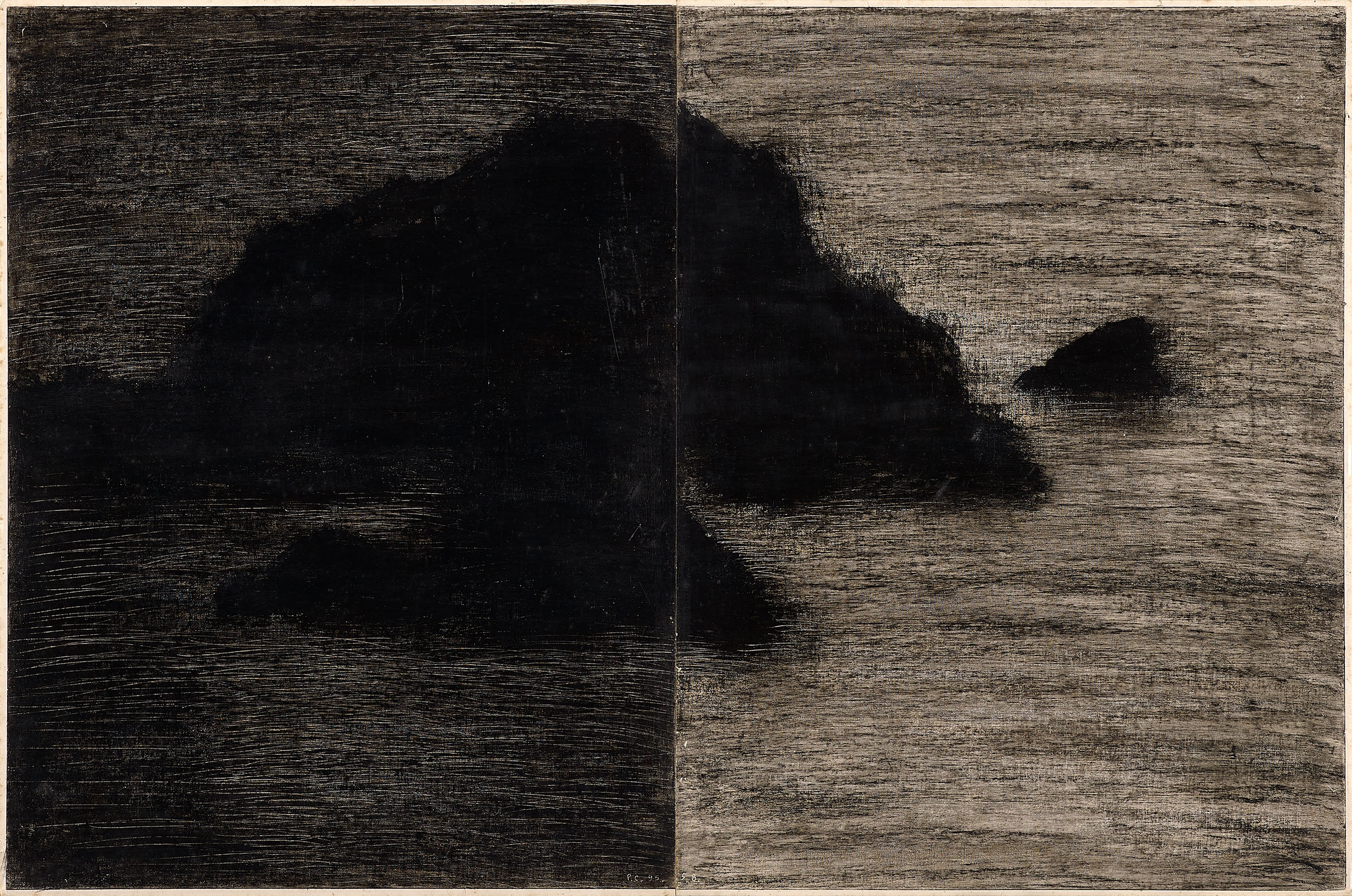
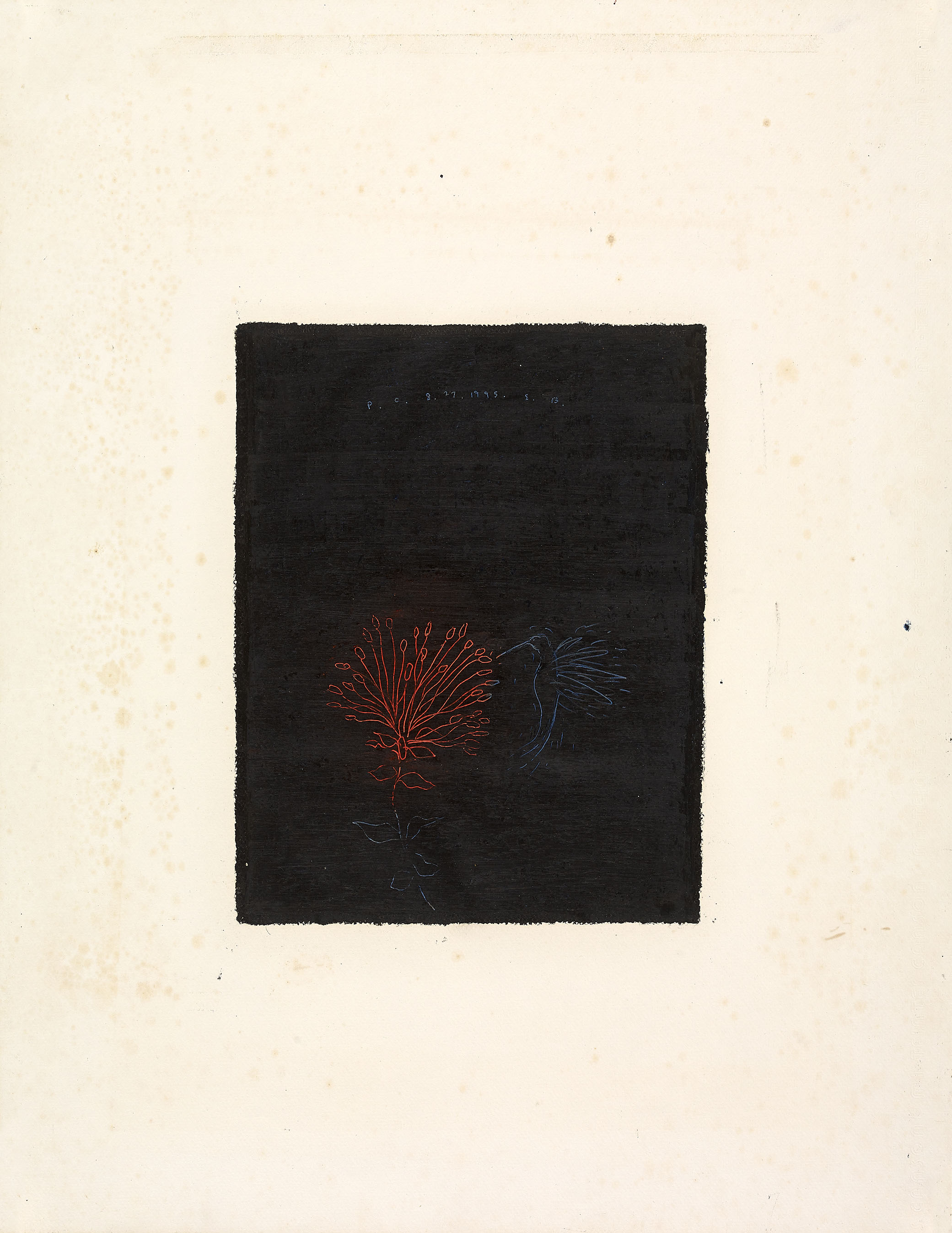
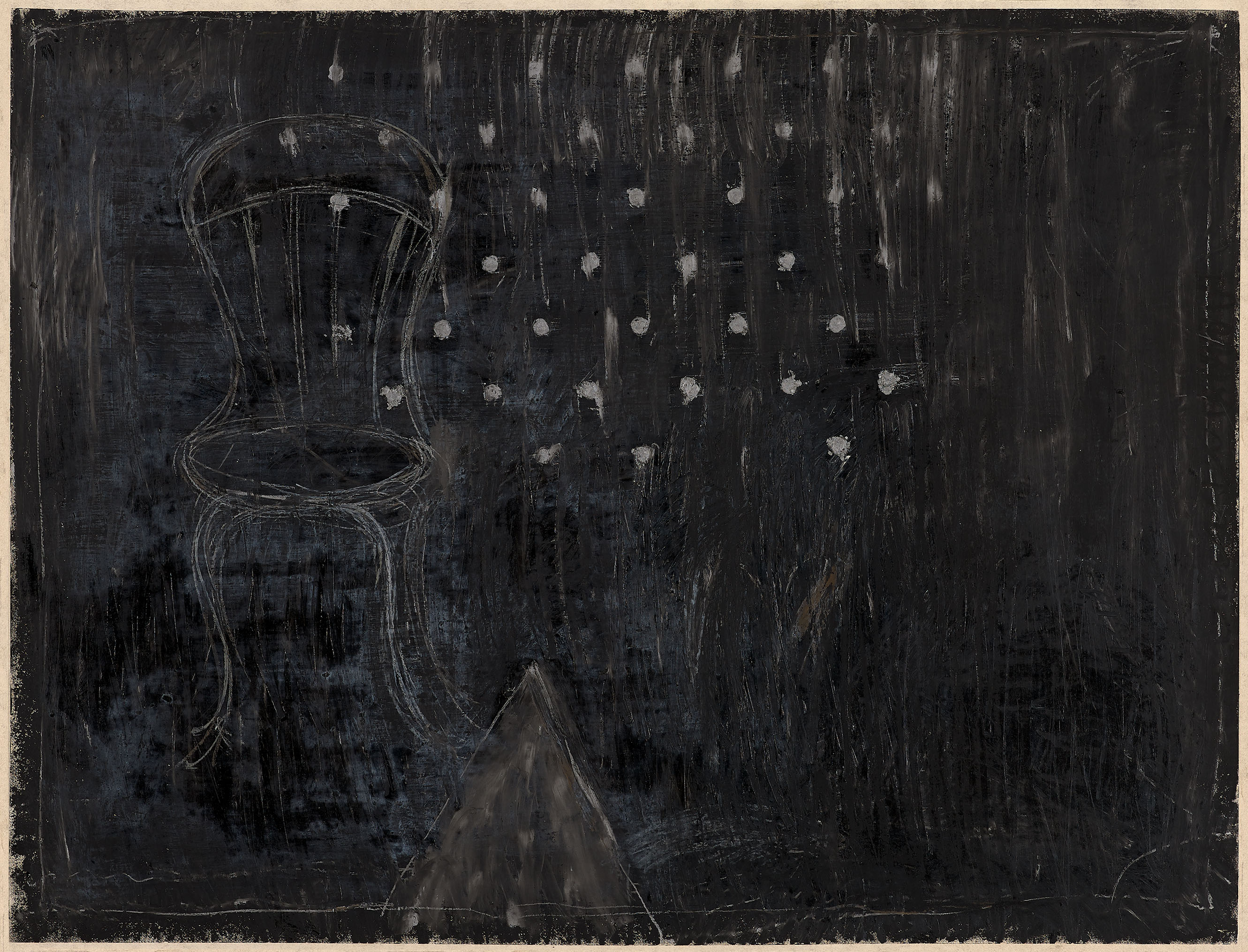
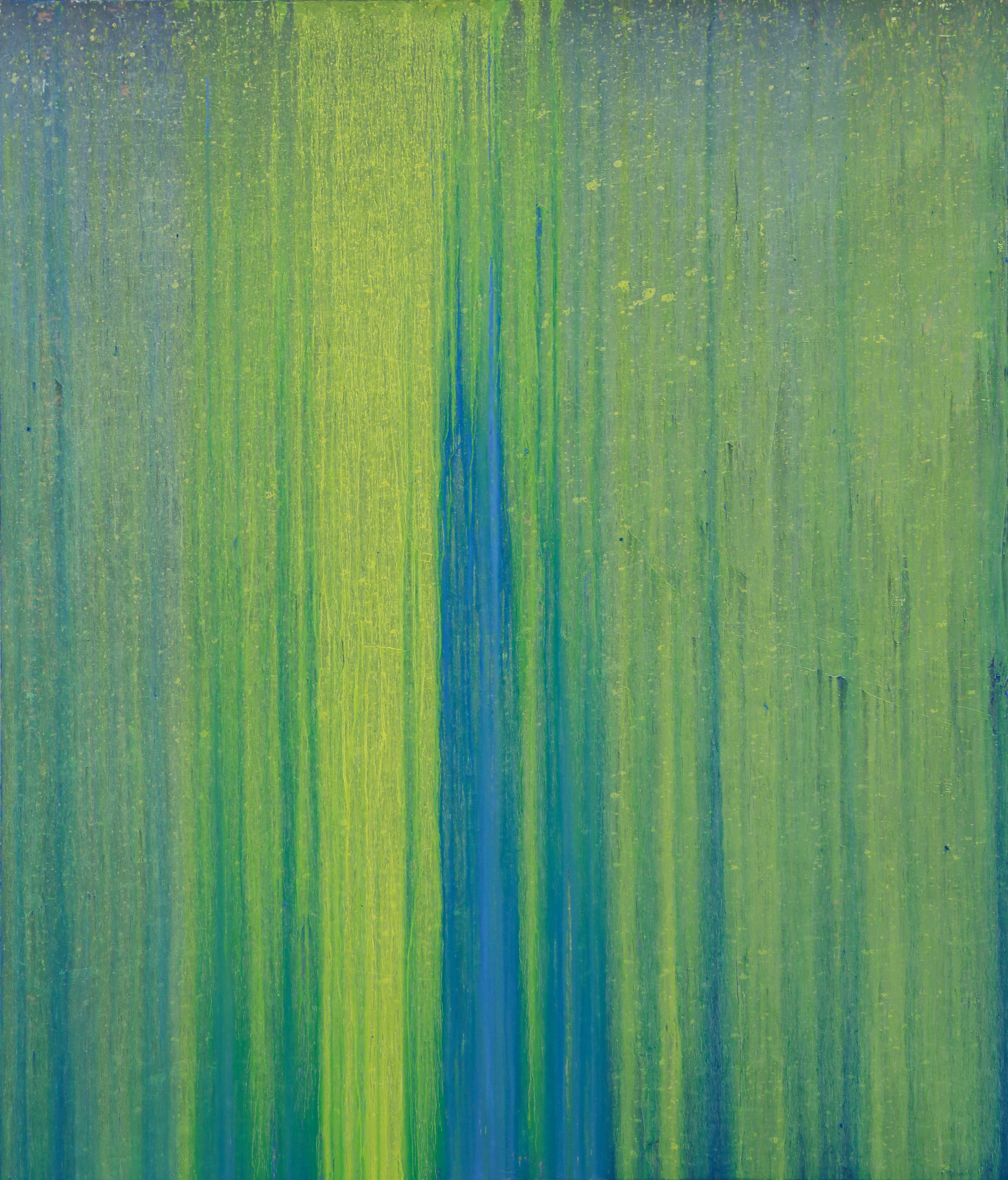
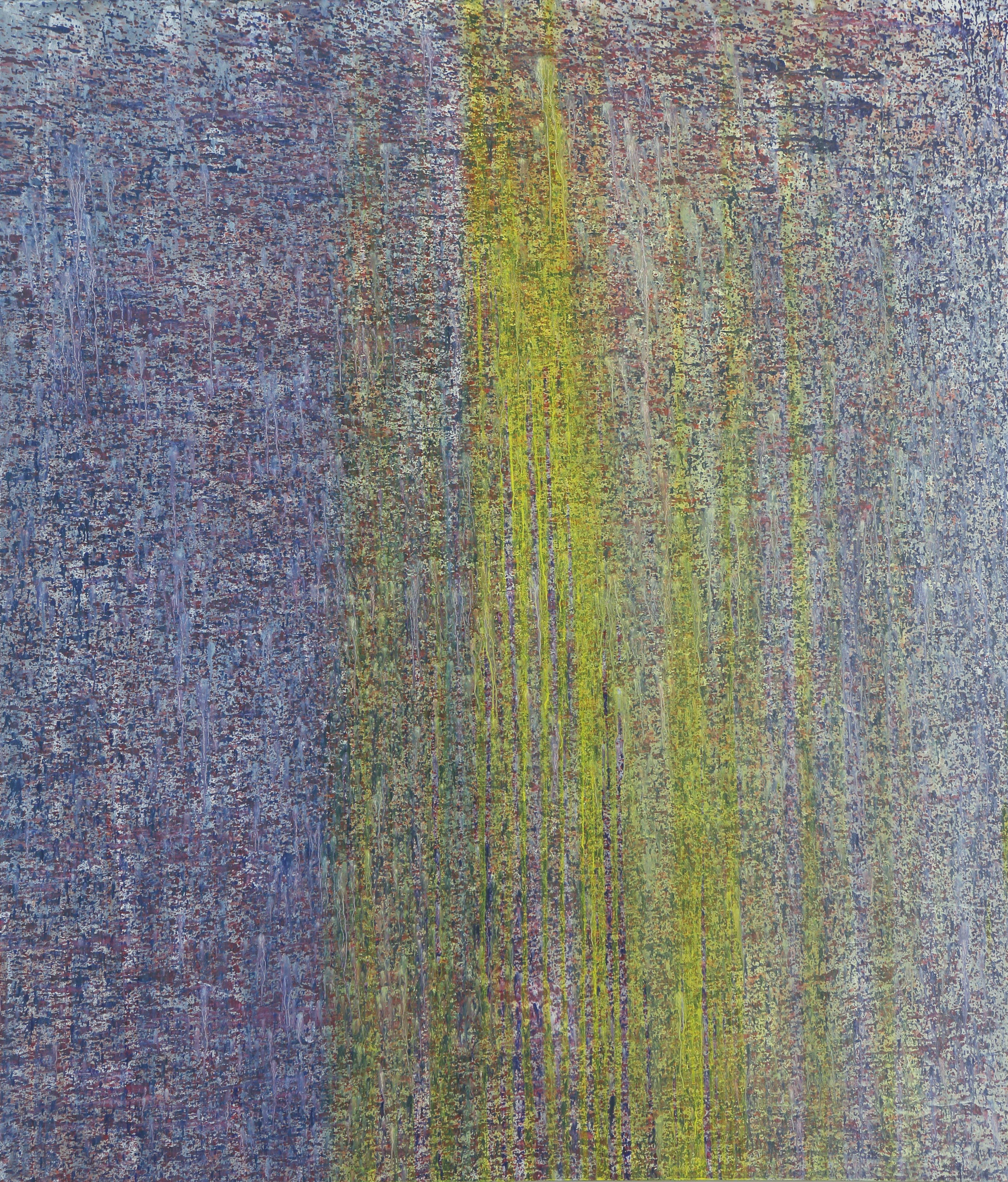
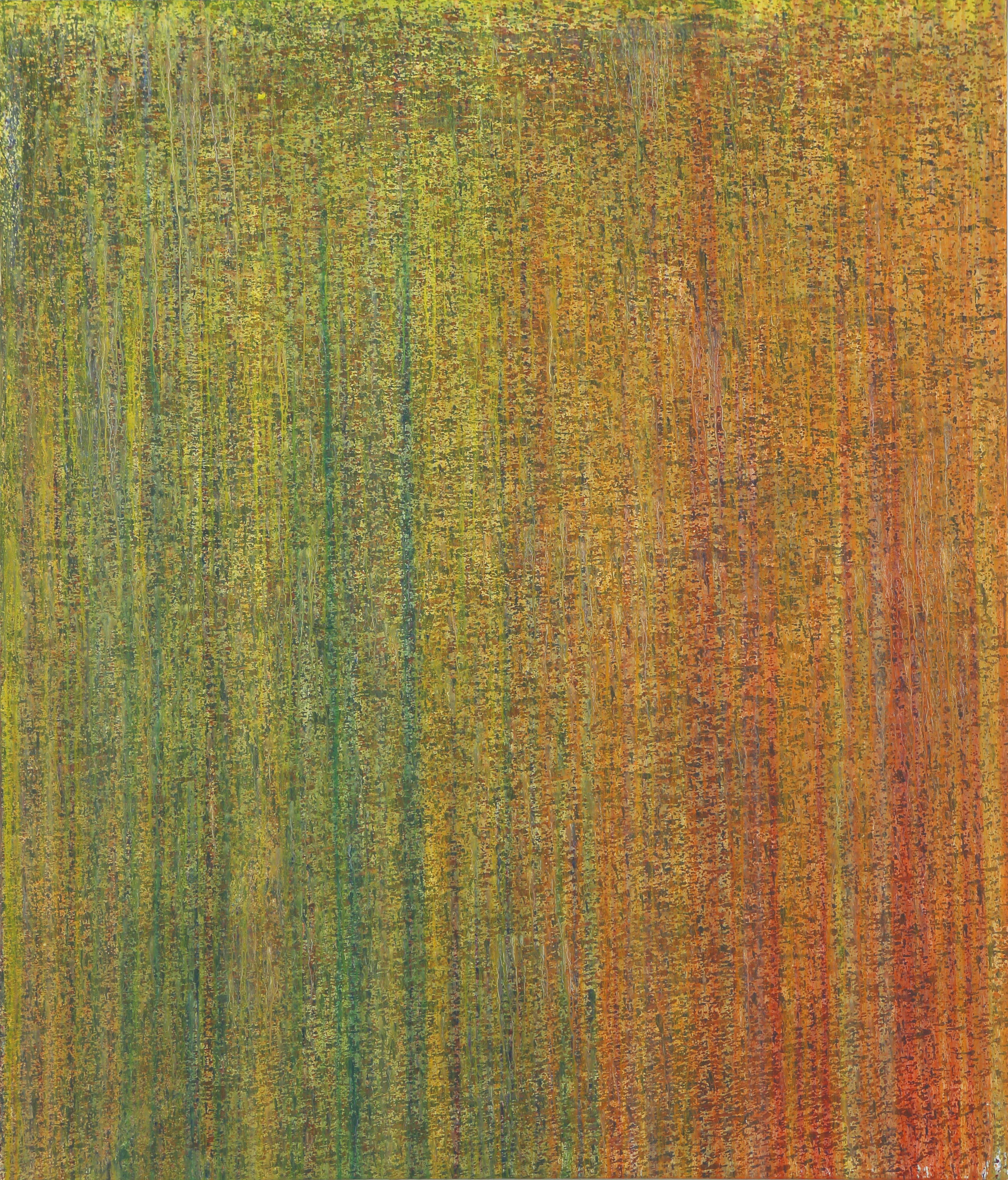
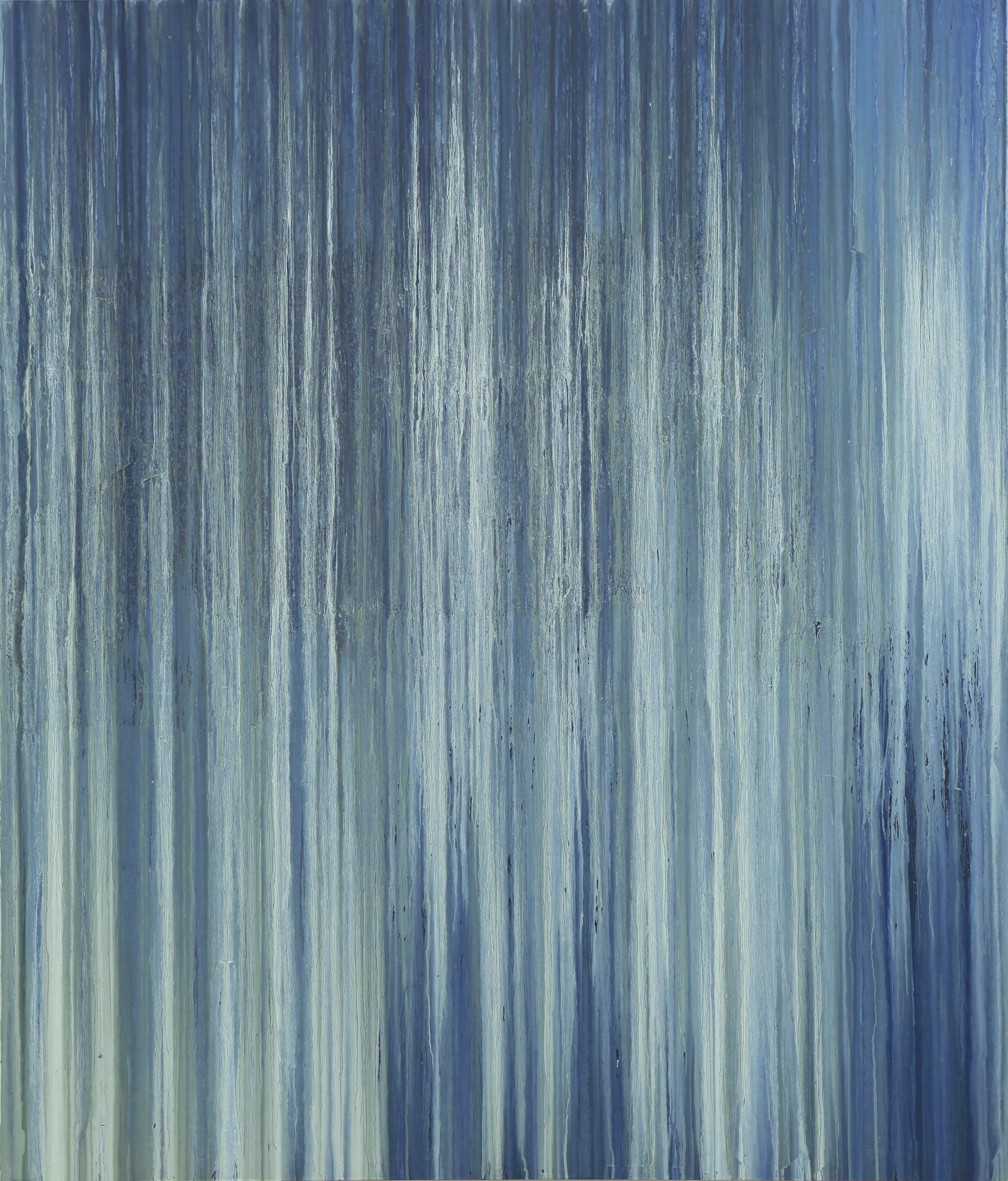
Destinations of his travels have always been closely intertwined with Chiang’s artistic creation. In the late 1980s, Chiang and his family often traveled to the Caribbean or small islands in southern France during the summer. He infused the new inspirations brought by these changing environments into his work. Pieces such as "St. Barth," "Saint-Tropez Night," "Saint-Tropez Afternoon," and the "California" series, developed during his frequent trips back and forth to the United States to visit his daughter after settling in Taiwan, were all influenced by these travel experiences. To easily carry his art supplies, he often painted with oil on paper, later developing these sketches into oil paintings upon returning to New York.

In 2002, Chiang visited Ronchamp Chapel in eastern France, Basel in Switzerland, and the Vitra Design Museum in Germany. This trip deeply moved him and provided a wealth of inspiration, leading to the creation of the "Ronchamp Chapel" series. He continued to process the emotions and insights from this journey, culminating in the large-scale installation "Ronchamp Chapel — Homage to Le Corbusier" in 2023.

St. Barth

Located in the French Caribbean, St. Barth is imbued with French charm, which is reflected in the lively and liberated themes and styles. This series was created during his vacations in the Caribbean.

Under the bright Caribbean sun, Chiang began to subtly incorporate the natural scenery around him—such as the ocean, plants, and water birds—into his work, allowing these symbolic images to emerge faintly in his paintings.

Luxembourg Garden

In 1982, after creating "Notre Dame de Paris," Chiang gained confidence and was inspired by a wealth of new ideas. The "Luxembourg Garden" series emerged from this period. Luxembourg Garden, known as the most beautiful park in the heart of Paris, is vibrant with colorful flowers. However, Chiang’s 1982 painting of "Luxembourg Garden" stands out for its unique approach. He applied thick layers of black oil paint and then scraped out white lines to depict a French wooden bench against a backdrop adorned with delicate white floral accents. This technique captured the essence of his feelings while strolling through the park.


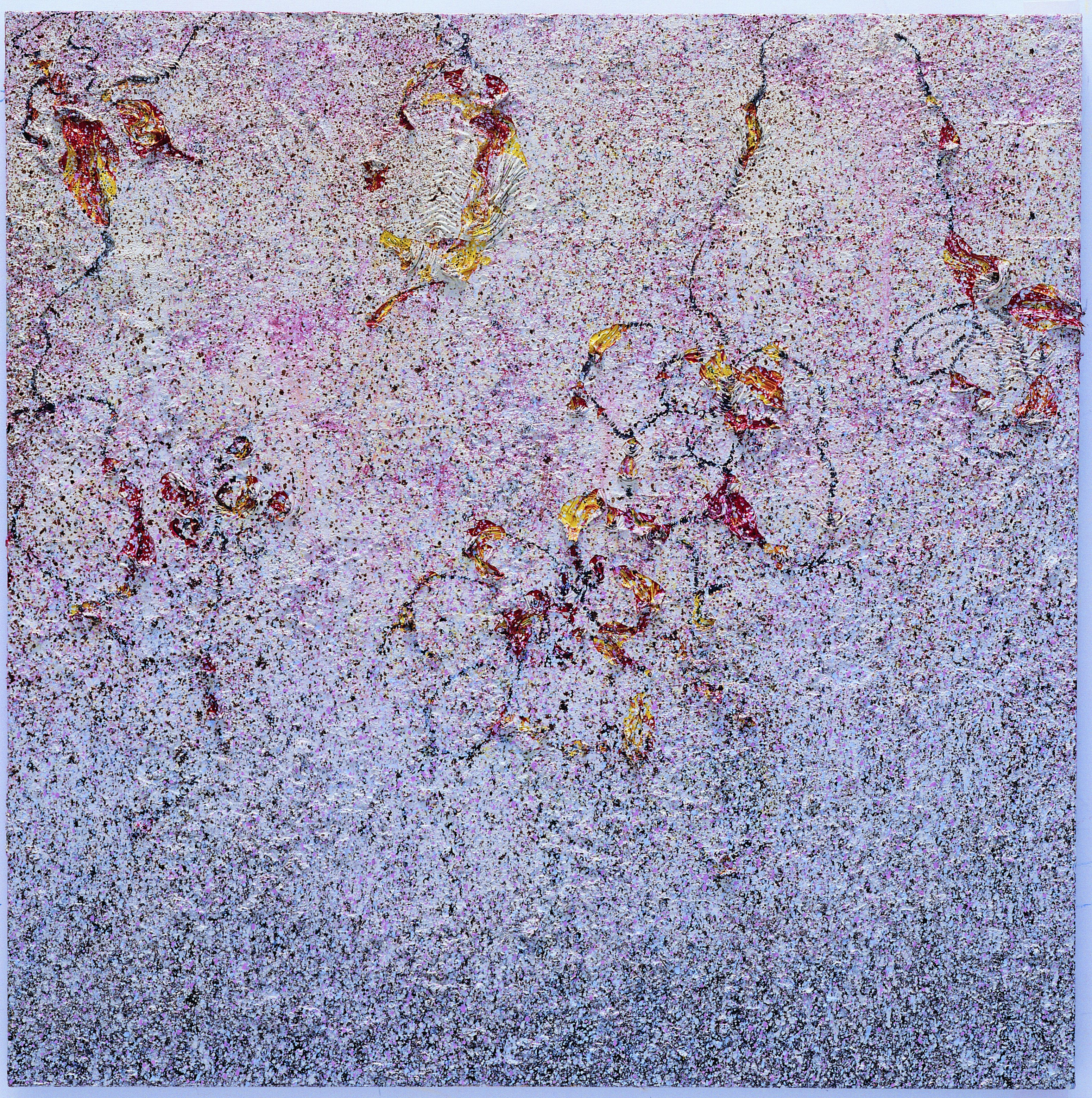
California

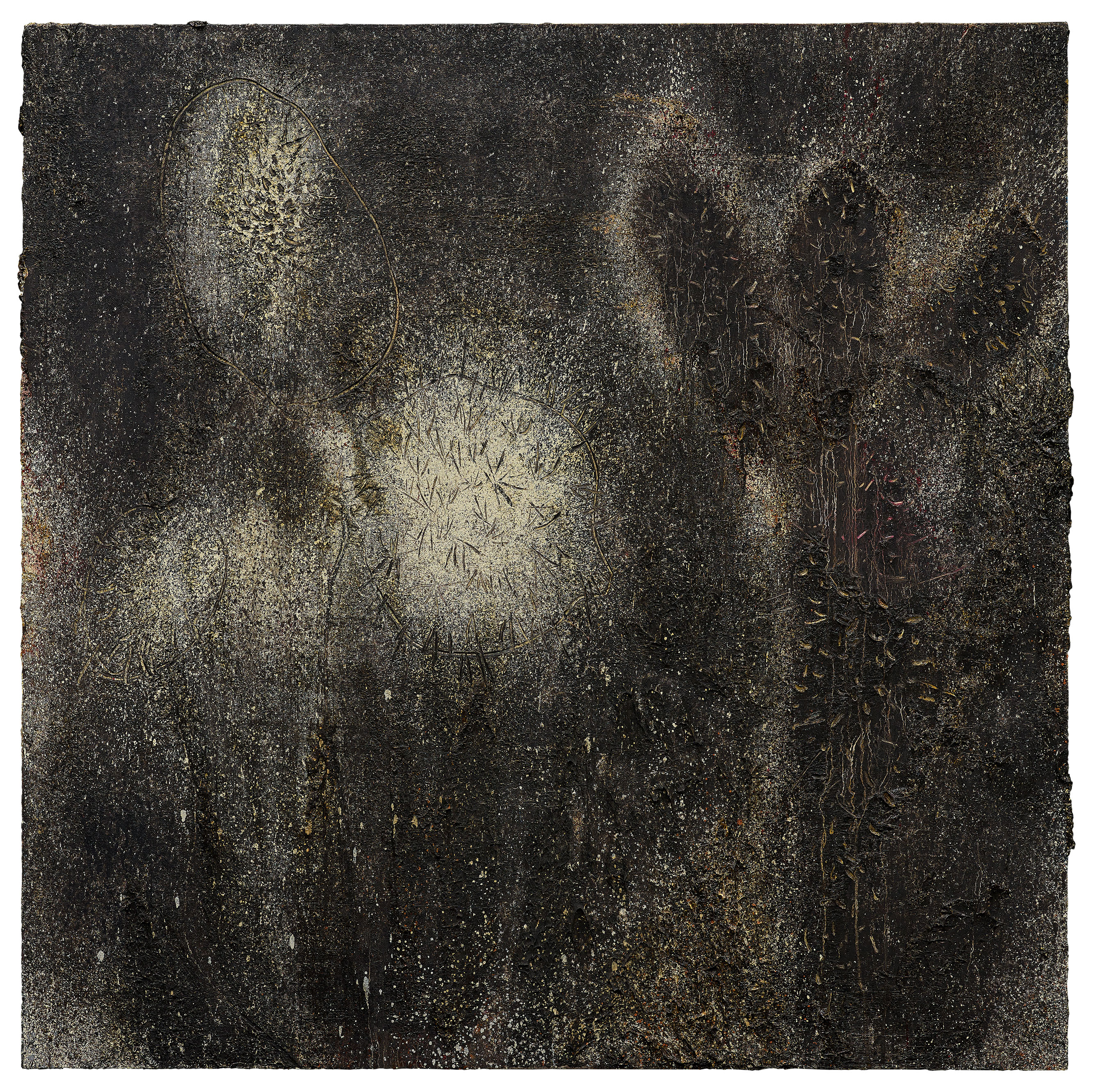
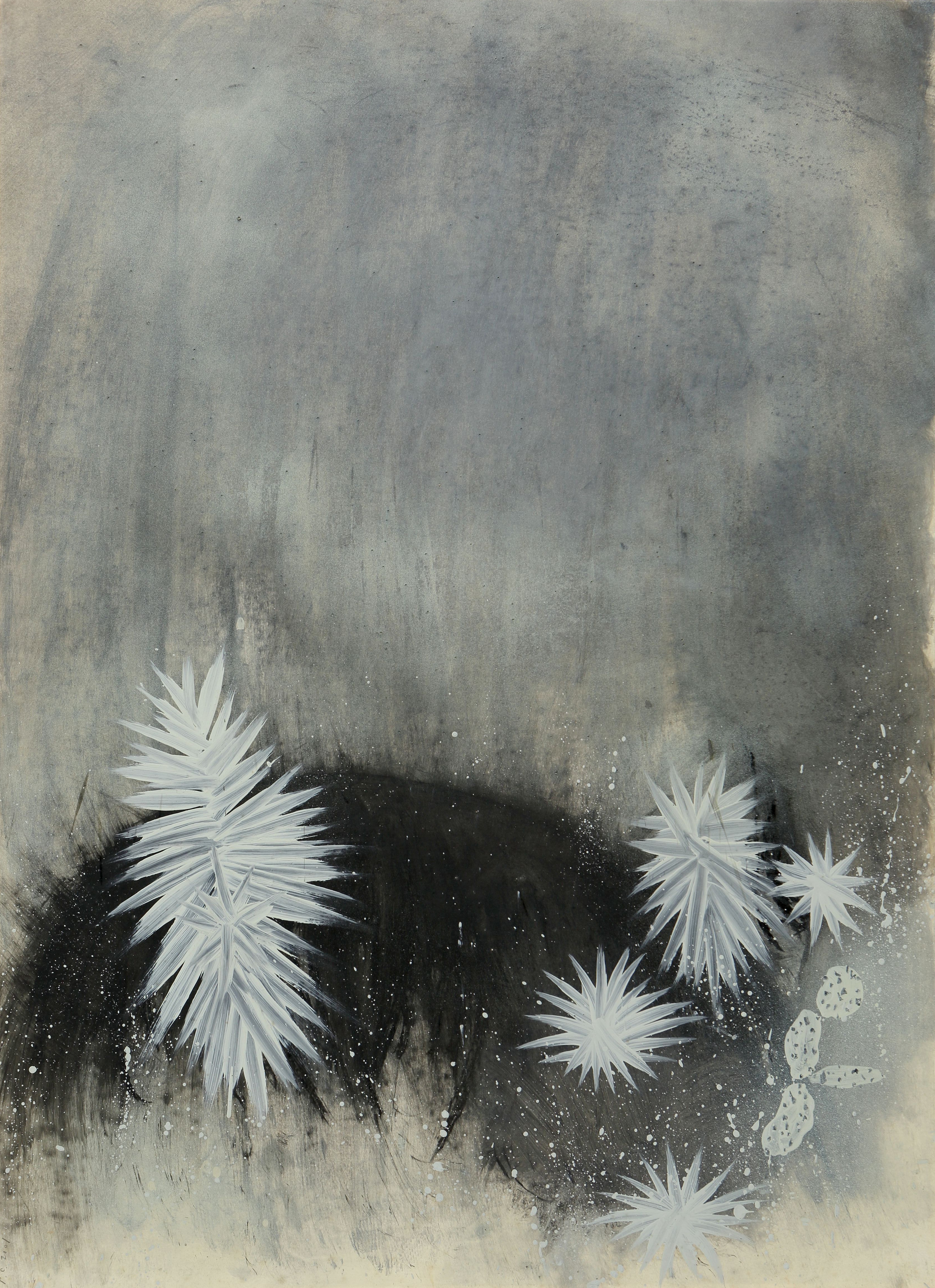
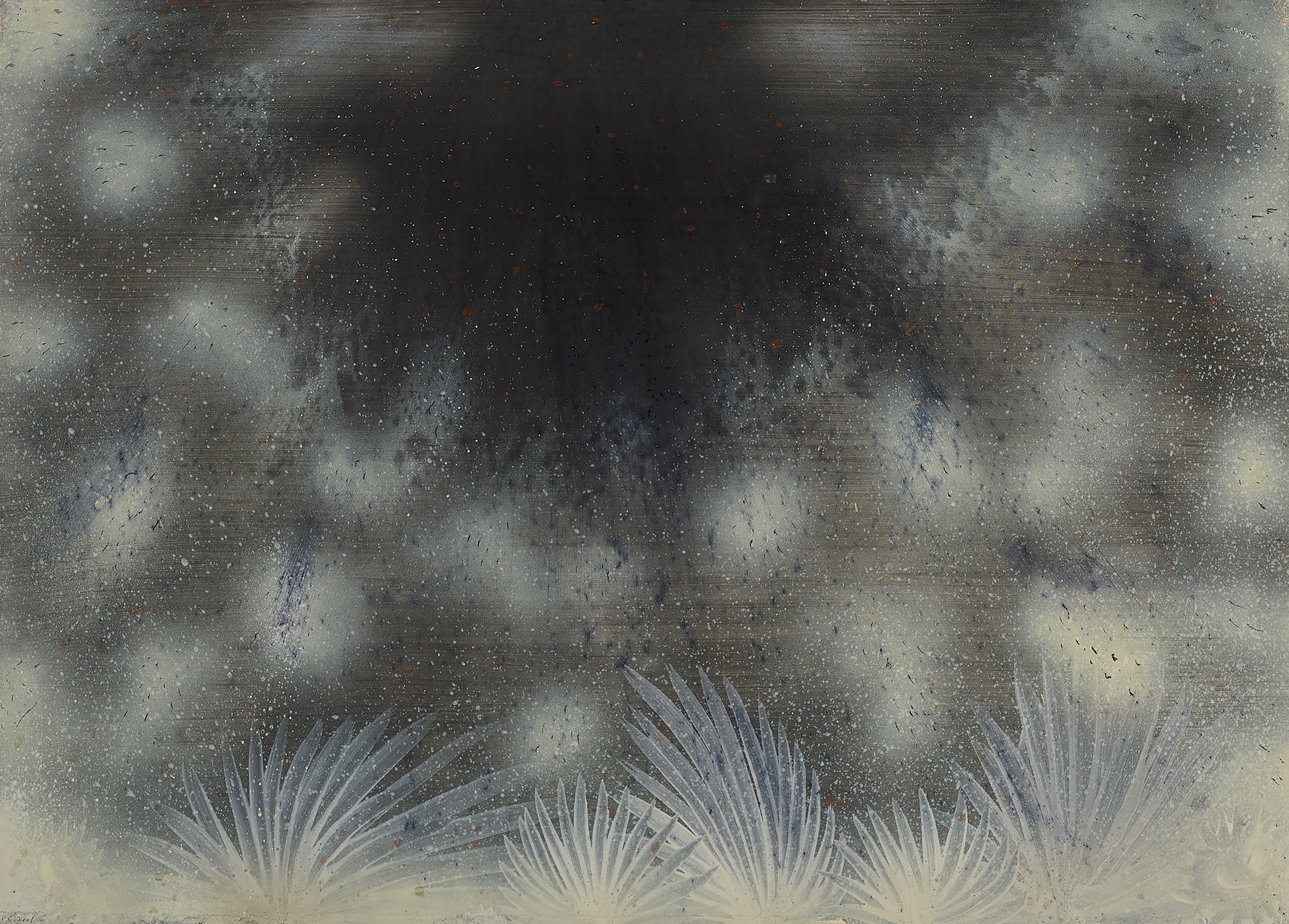
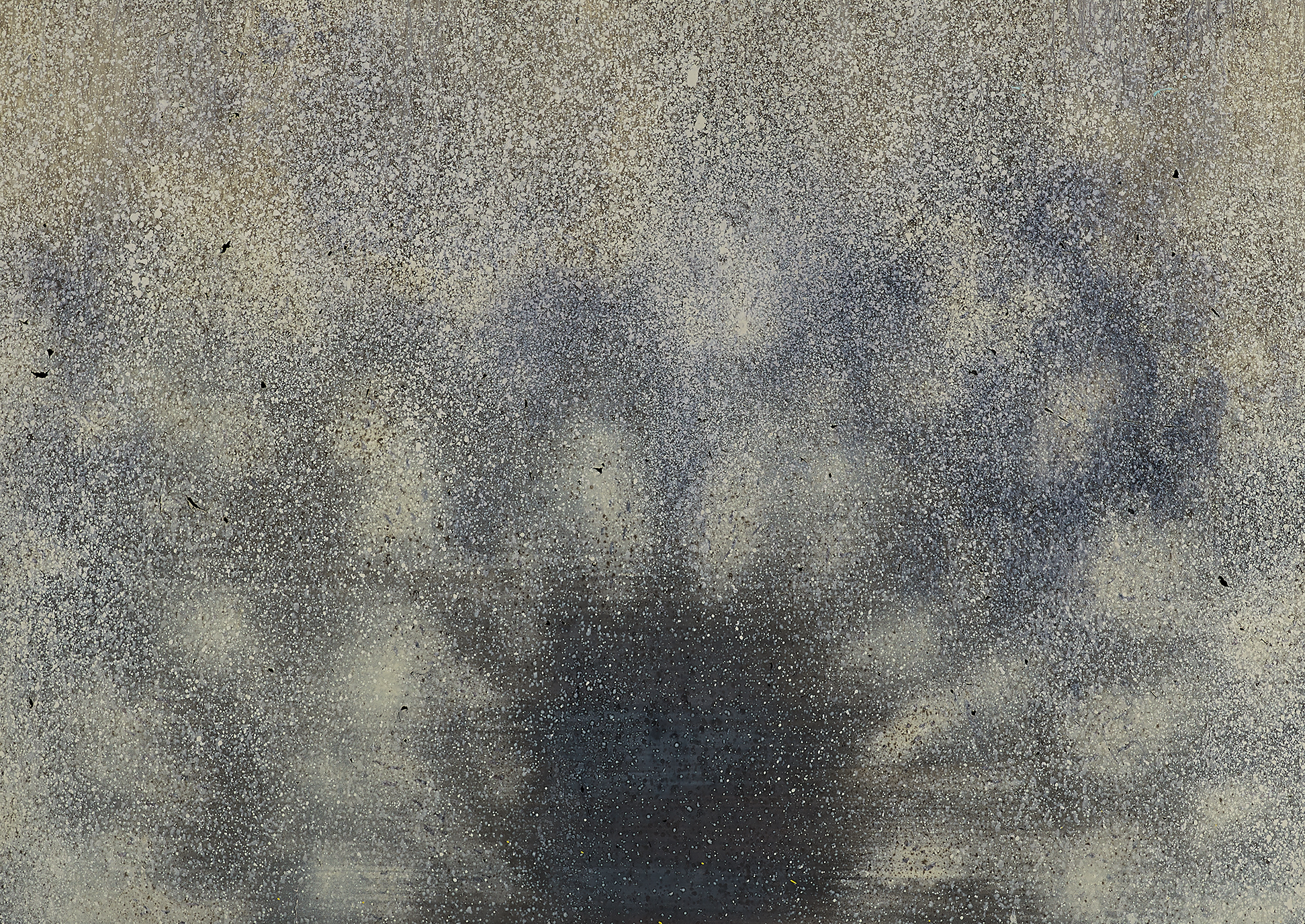
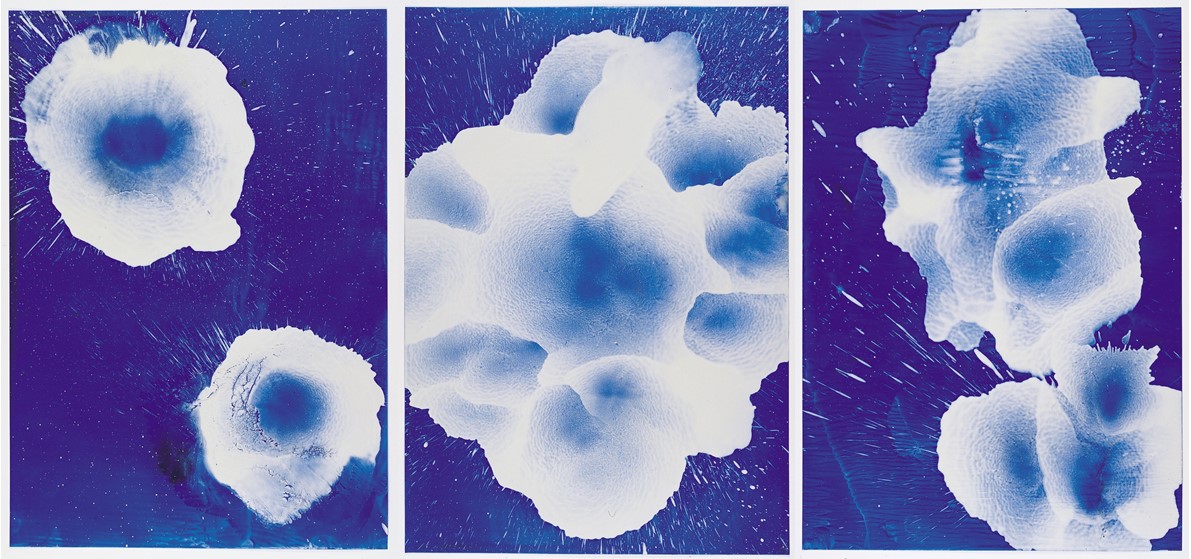
After 2000, Chiang frequently traveled between Taipei and California to visit family. The dry climate of Los Angeles, with its diverse cacti and unique plants, felt refreshingly new to Chiang. This experience inspired the development of his "California" series upon his return to Taiwan. Works like "California 01-05" continued the contrast and texture quality seen in "Hundred Year Temple." The paintings feature deep black tones and thick textures, rather than California’s golden sunlight. The rough, sand-like surfaces are dotted with sharp thorns, reflecting not only the inspiration from California's natural landscape but also the piercing pain of his daughter’s illness.

Other pieces in the series, however, reveal bright blues reminiscent of clear skies or delicate flowers, presenting a stark contrast.

Ronchamp Chapel

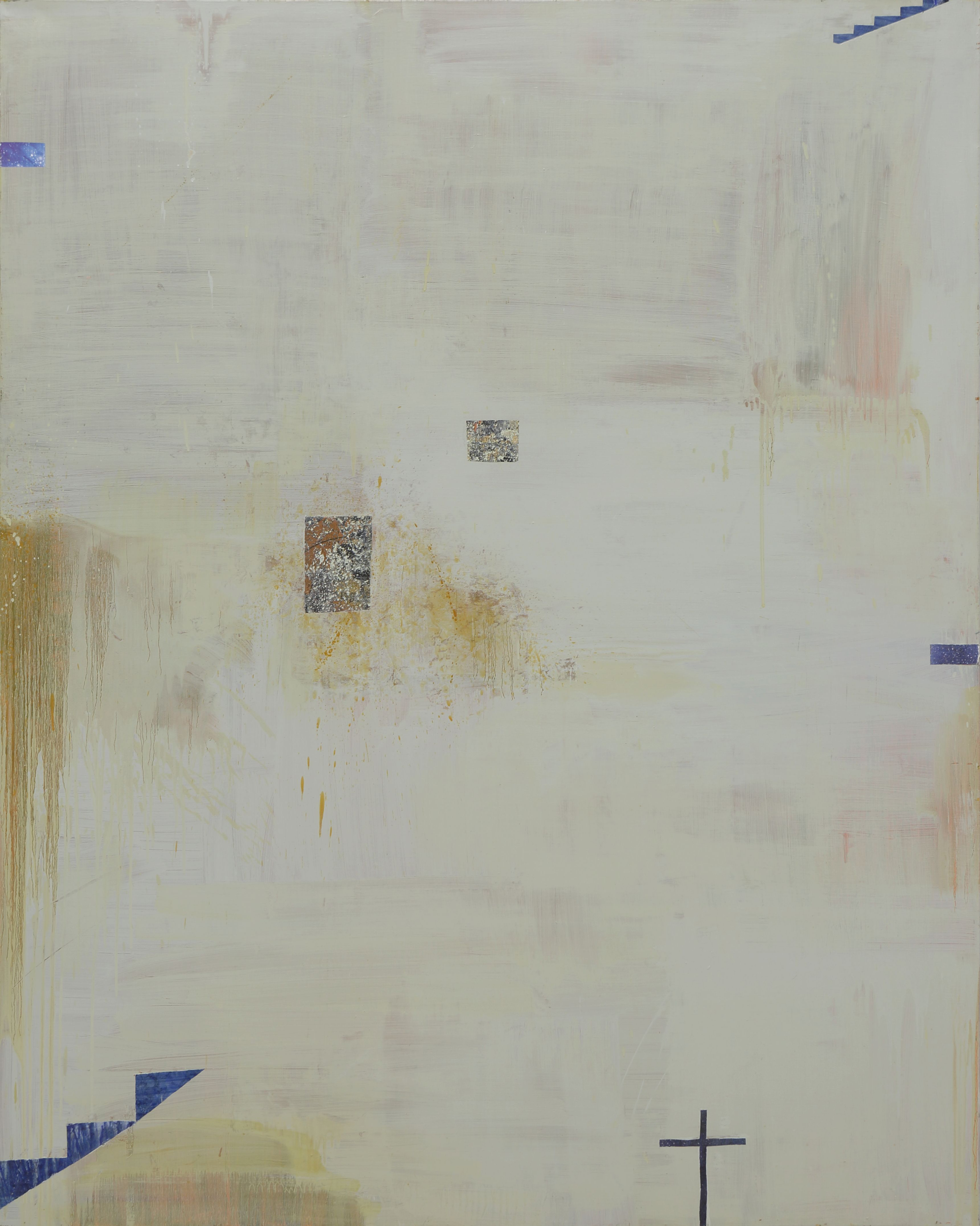
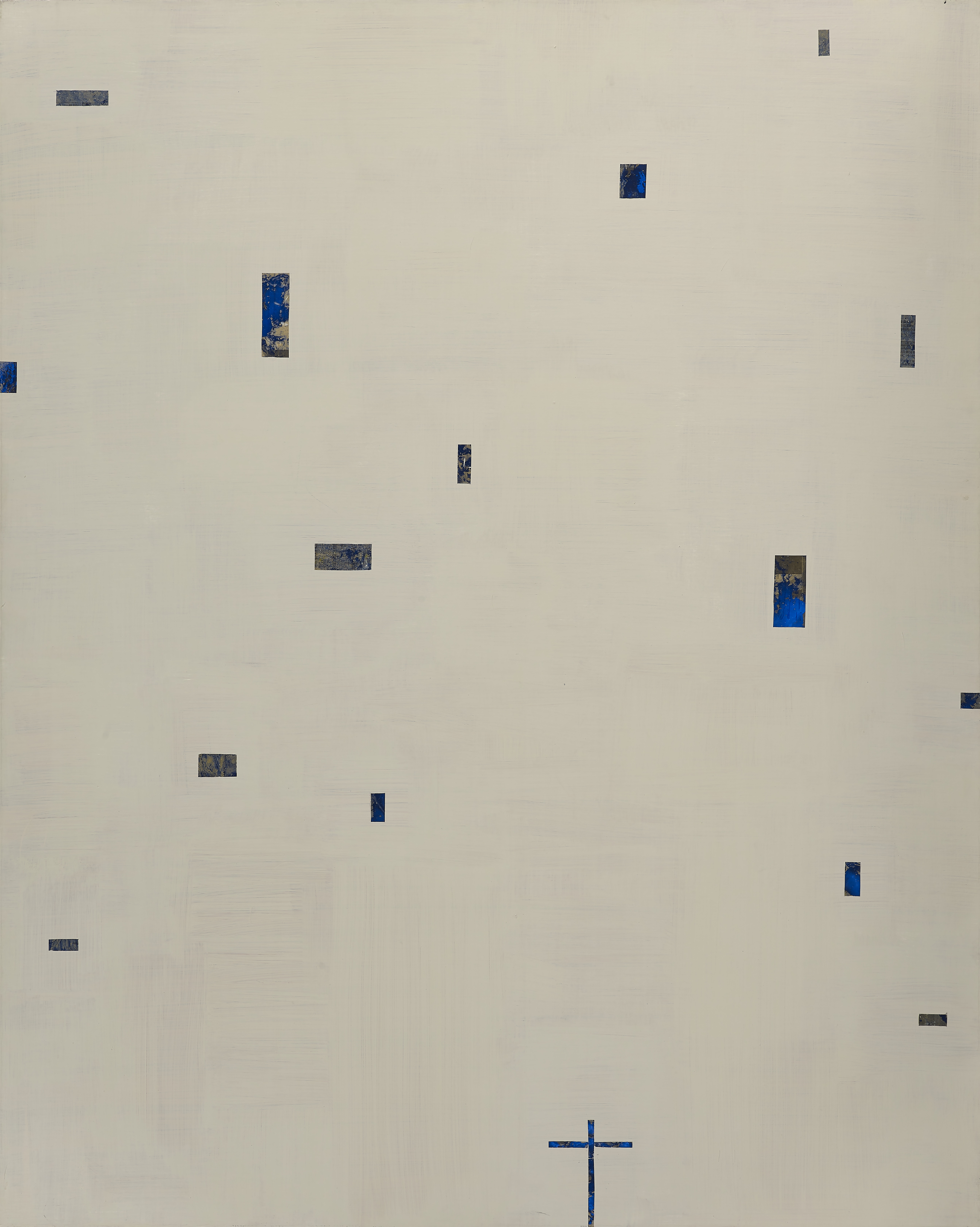
Throughout his life, Chiang has been drawn to spiritual spaces, often stepping into churches across Europe to experience their profundity. The Ronchamp Chapel (Chapelle Notre-Dame-du-Haut de Ronchamp), located in the small town of Ronchamp in eastern France, was designed by the Swiss-French architect Le Corbusier and completed in 1954. It was designated a UNESCO World Heritage Site in 2016. Following a trip across France, Switzerland, and Germany in 2002, Chiang created a series of paintings inspired by this trip. Chiang intentionally left large areas of his canvases blank, with rectangular blocks of blue reflecting the changing light and shadows within the chapel’s interior. 

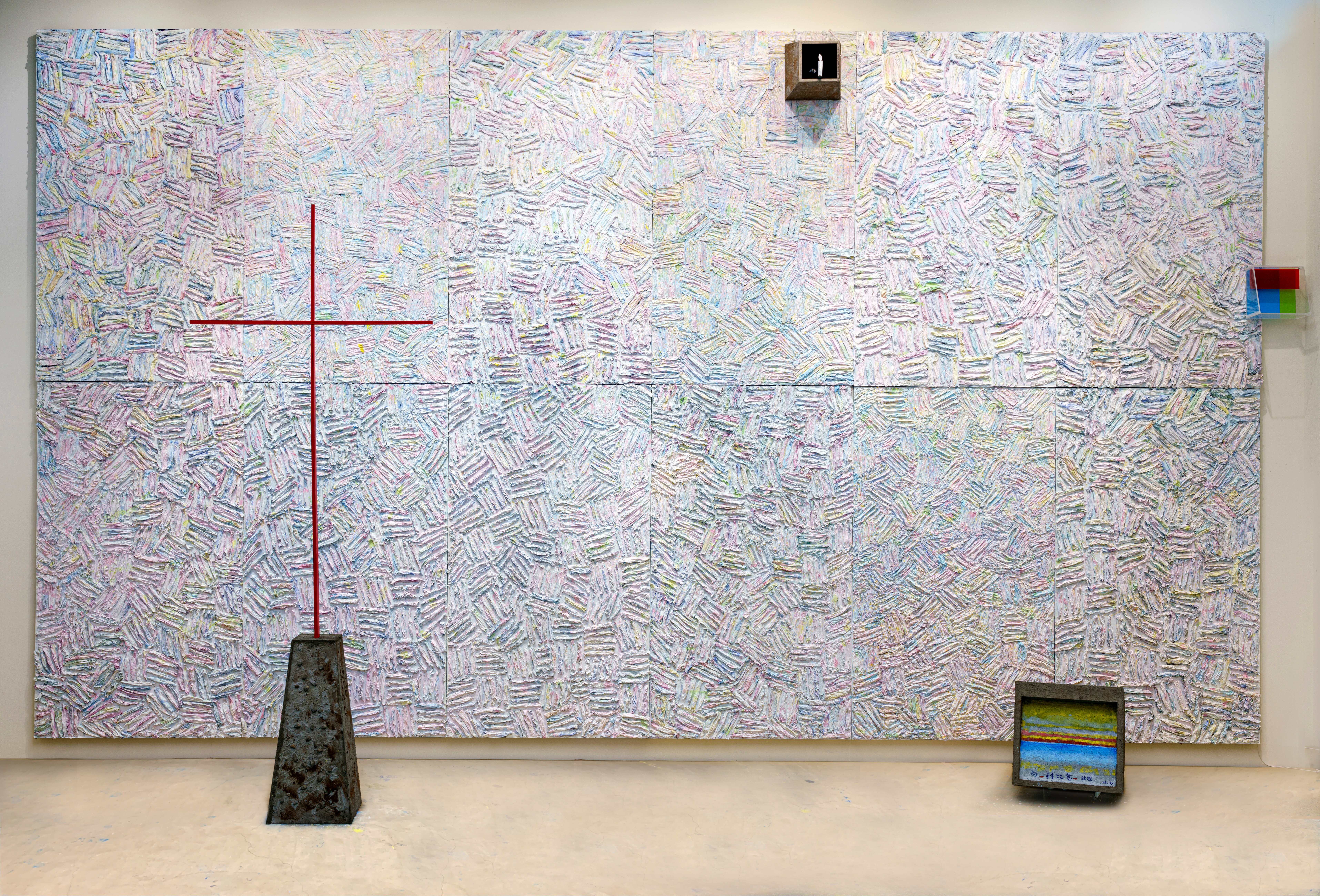
In 2023, he created "Ronchamp Chapel — Homage to Le Corbusier 23-00," using crumpled, dyed paper as brushstrokes to achieve the effect of heavily layered paint. The artwork features many elements from the chapel, such as symbolic bronze candles, stained-glass windows, and the tombstones Le Corbusier designed for himself and his wife. A solemn red cross in the foreground contrasts with the gray walls, creating a sense of serene holiness while immersing the viewer.