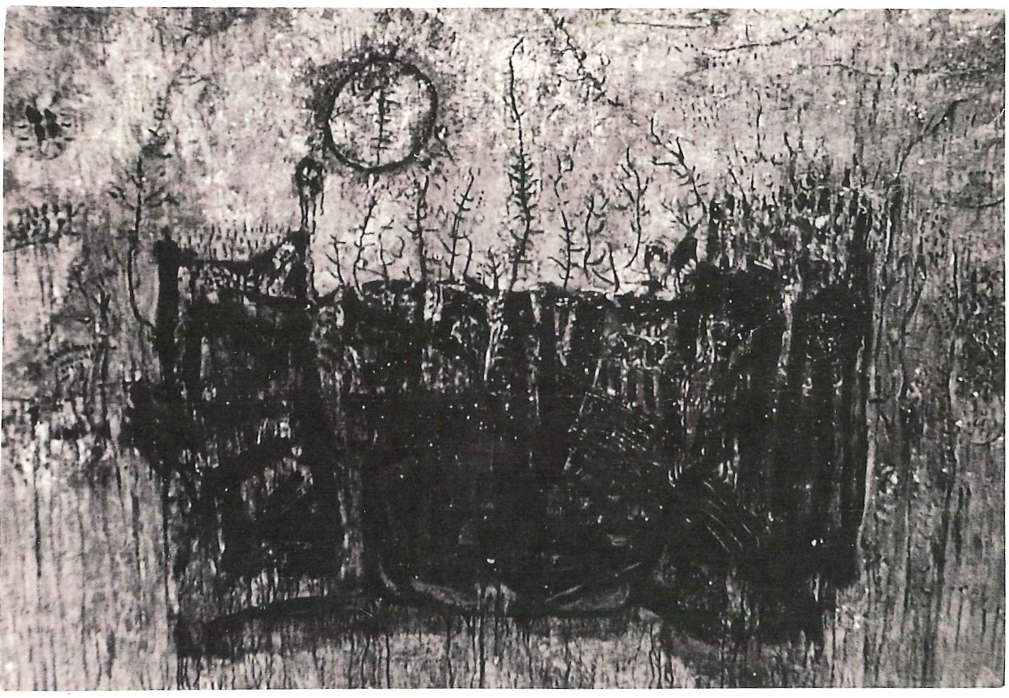
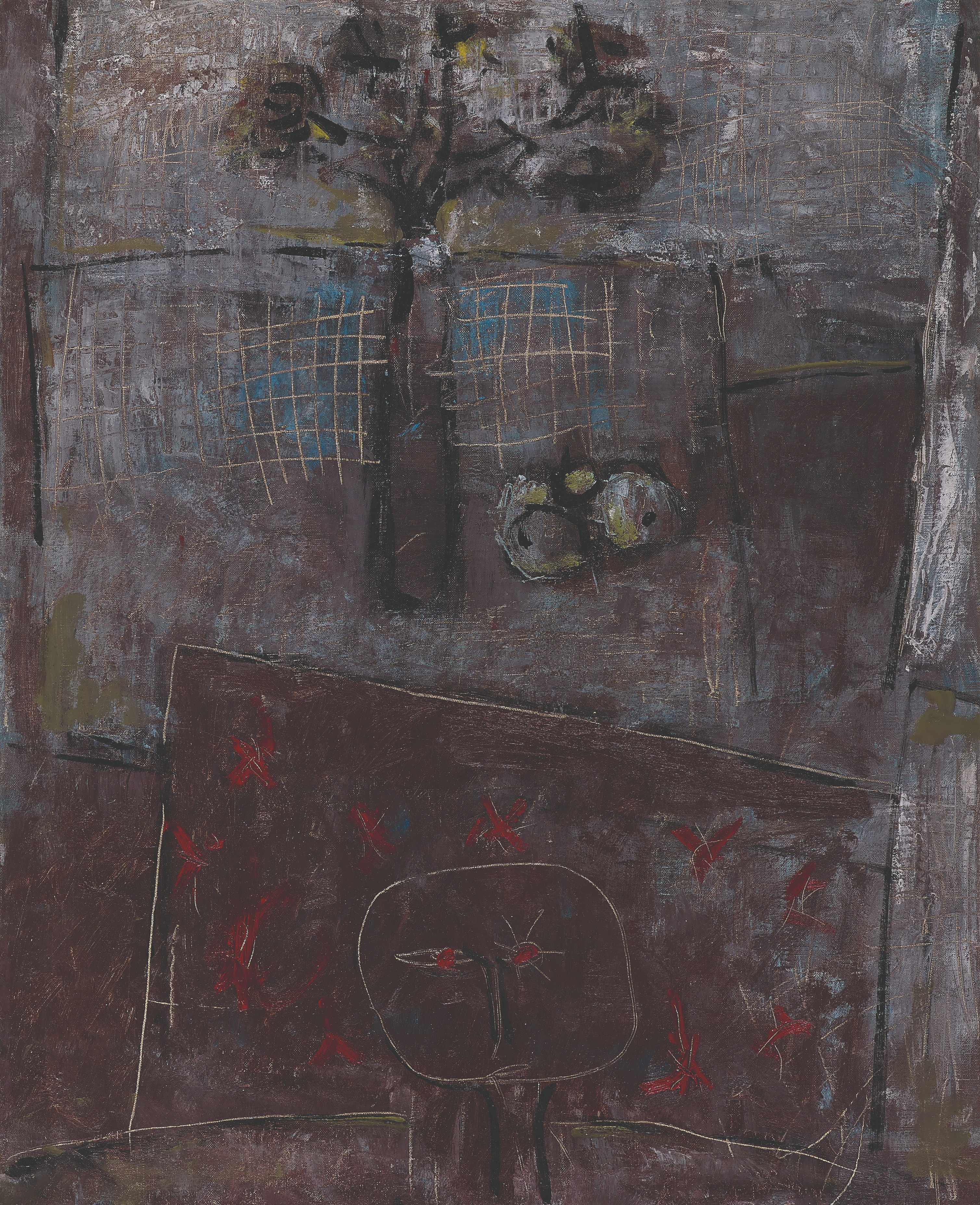
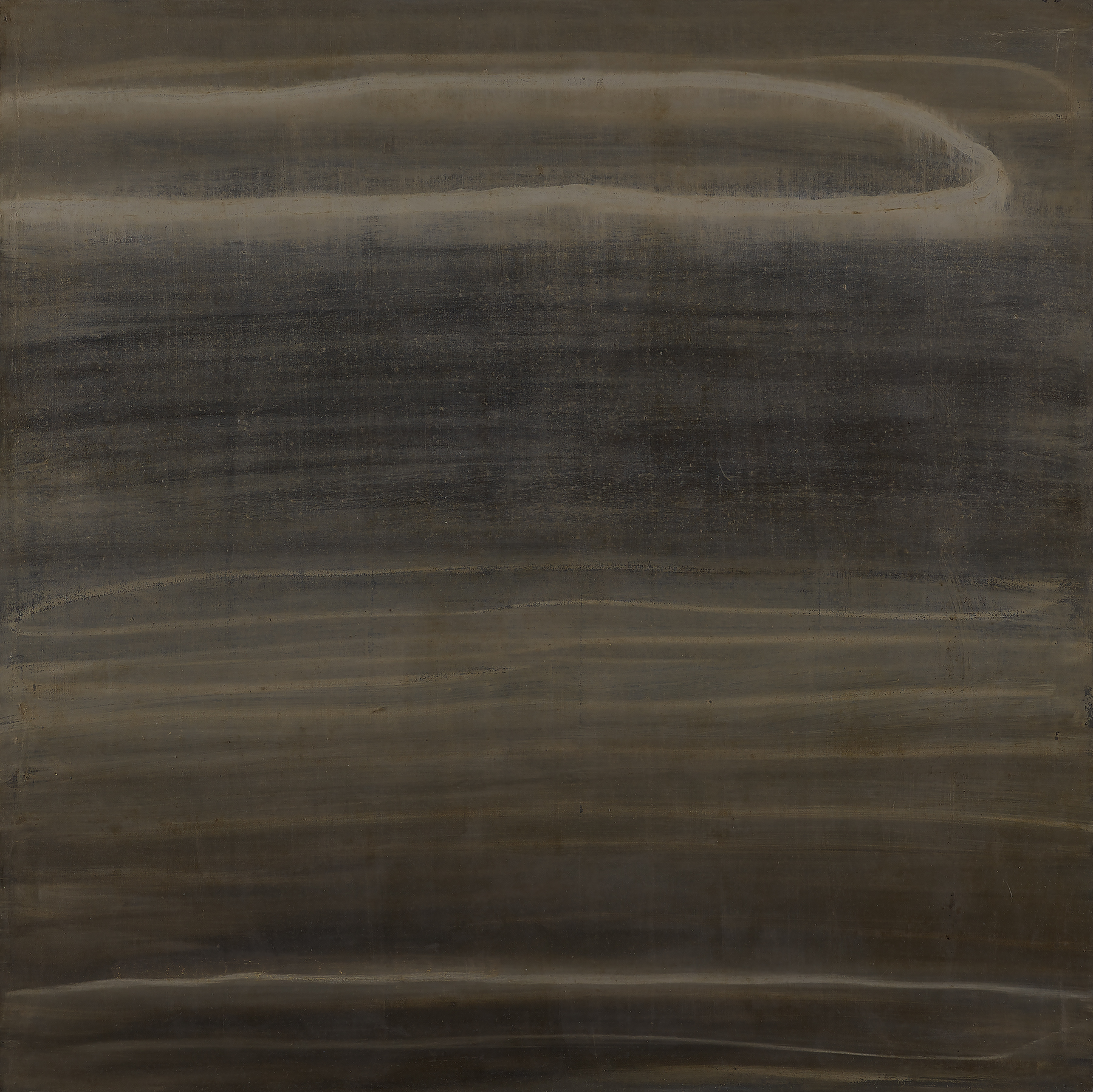
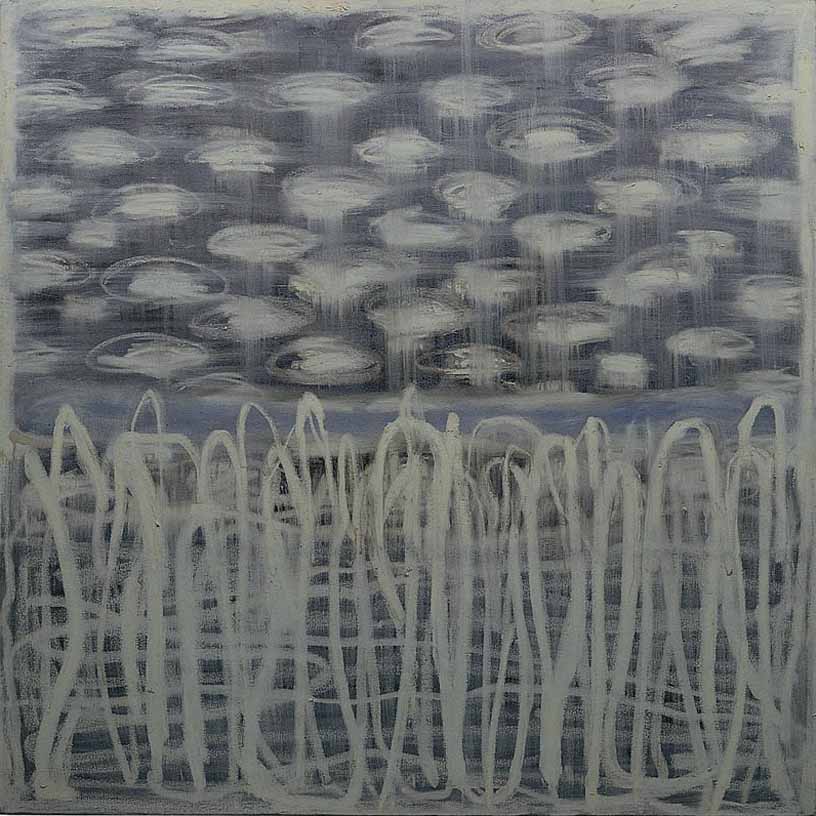
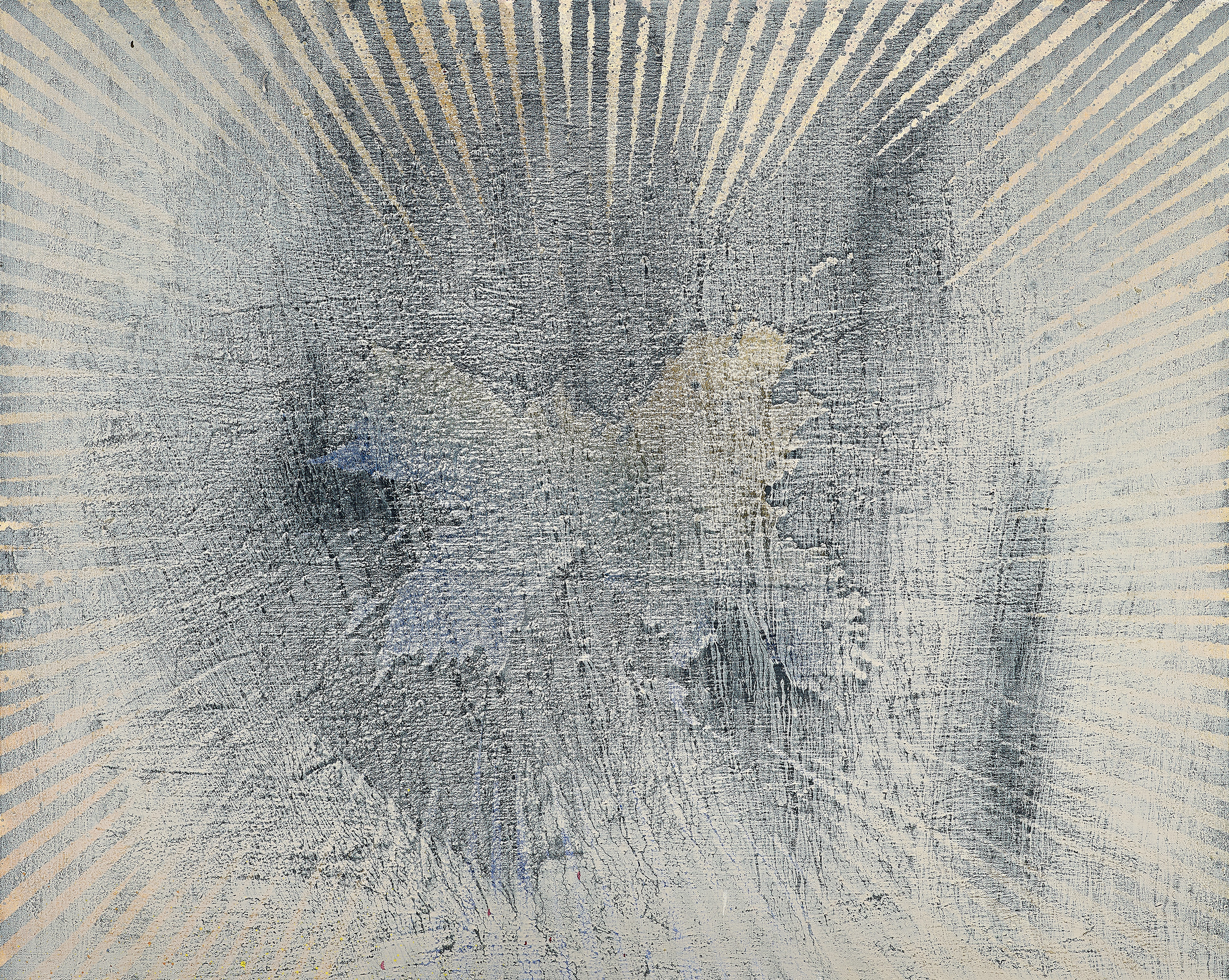
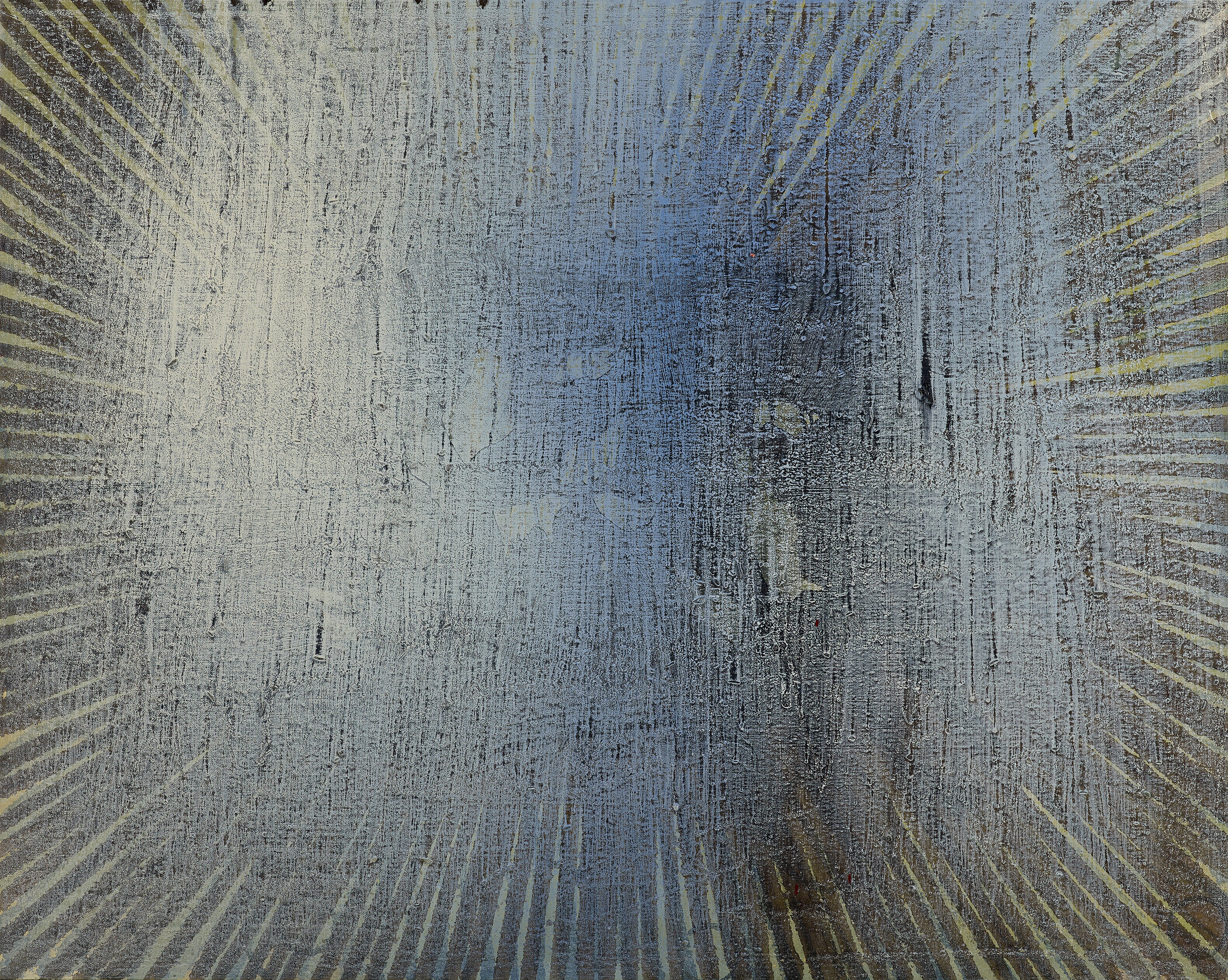
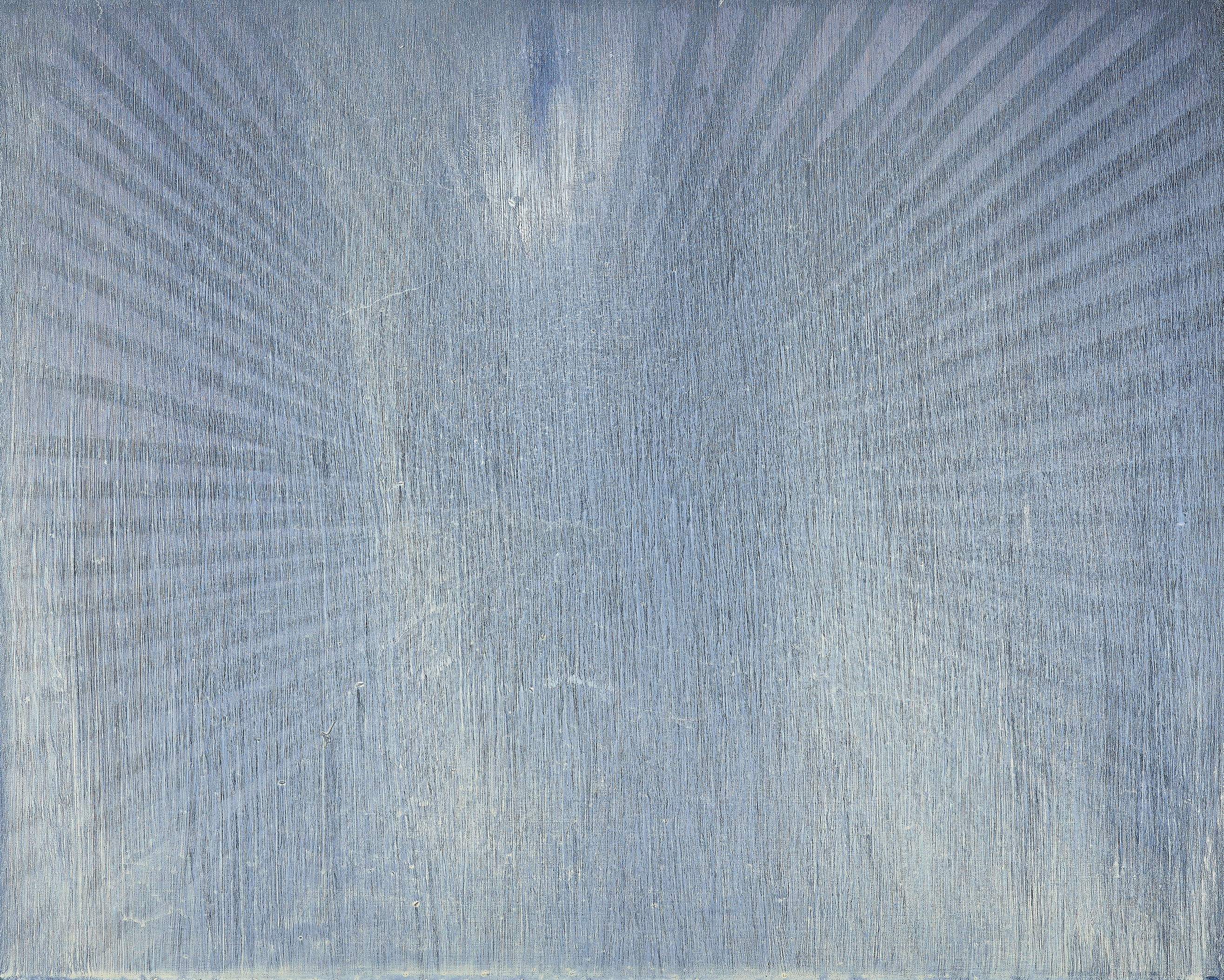
In 1965, while still a university student, Chiang created his first "Transfigured Night," inspired by Arnold Schönberg's famous piece of the same name. Since then, "Transfigured Night" has become a central theme in his artistic creation. He revisits this theme periodically, creating new works under the same title, exploring it continuously for over fifty years. This theme can be considered his most comprehensive series.
The "Transfigured Night" paintings created at different stages of his life exhibit diverse styles, reflecting changes in his inner state. Chiang's lifelong exploration of "transfigured night" is not only a testament to his admiration for Schönberg's music but also symbolizes his belief that his art must undergo various phases of self-affirmation and doubt, abandonment and preservation, to achieve transcendence and redemption.
In 1986, Chiang transformed a large warehouse in Queens, New York, into his studio, with ceilings soaring to 24 feet, felt as expansive as a cathedral. Reflecting on this, he humorously remarked, “I was overly ambitious, thinking that with such a large studio, I could create something truly impressive. But in the end, I only completed two paintings of 'Transfigured Night' in two years.”
During this time, he intentionally immersed himself in Schoenberg’s "Transfigured Night," listening to it daily. Nearly twenty years had passed since his arrival in New York, and the melancholy of his youth had gradually shifted to the disquiet of adulthood. Often, he would sit alone in his studio all day, feeling trapped in a forgotten corner. At other times, he would scrutinize his self-declared failed works, witnessing the endless cycle of starting over. Beneath each painting lay countless unsatisfactory attempts. Accompanied by the music of "Transfigured Night," he repeatedly smeared, covered, brushed off, and began again.
The two masterpieces that ultimately emerged still convey a palpable sense of loneliness but had developed their own distinct style. The paintings exhibit a profound texture, with clear, layered colors. Gazing at the dense patterns evokes the sensation of touching the folds of marble. Reflecting on his feelings at the time, Chiang said, “I was extremely depressed. Although I used gray and blue, the paintings remained transparent, very much like a string quartet. Music has a temporal quality, but painting captures an eternal moment without time. The state I sought to achieve was this kind of serene and pure instant.”
Transfigured Night - Created for a Friend
After 2015, Chiang’s eldest daughter’s health began to deteriorate, necessitating her return to Taiwan for treatment. Chiang and his wife also rented a place in Taipei to be close to her. In July 2017, the sudden passing of Robert Wu, the founder of Eslite Bookstore, dealt Paul another heavy blow. In response to these life changes, Paul created another seven or eight pieces of "Transfigured Night" with defining radiant lines. The colors on these paintings remained consistently serene, pure, and clear, but featured new lines emanating from a central point. These lines, however, never intersected, had no ends, no beginnings, and no conclusions. They seemed to represent light, direction, convergence, and dispersion all at once. Years later, Chiang expressed the dialectic of "eternal life" and "eternal death" in a more tender manner through these artworks.
Jinzun / Transfigured Night
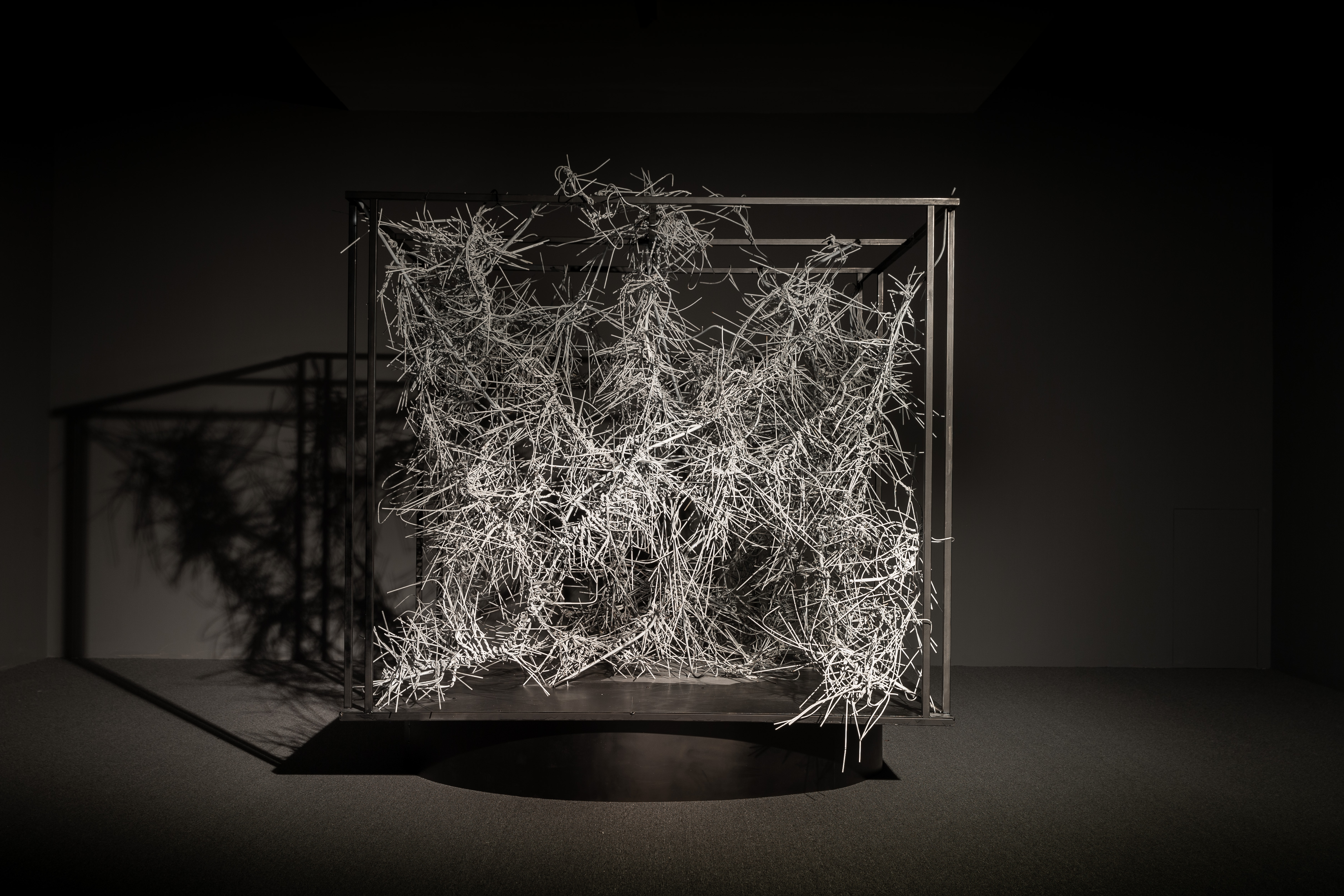
The first exhibition of "Jinzun / Transfigured Night" was in 2020 at the Taipei Fine Arts Museum during the "Paul Chiang: A Retrospective" exhibition. For this installation, Chiang used iron wire to create a three-dimensional work, accompanied by the fourth movement of Mahler's Symphony No. 5, guiding the audience into a multi-sensory experience of visual and auditory beauty. Chiang remarked, "After experiencing the sorrow and anguish of my darker period, this piece brought me back to the origins of my creative journey."
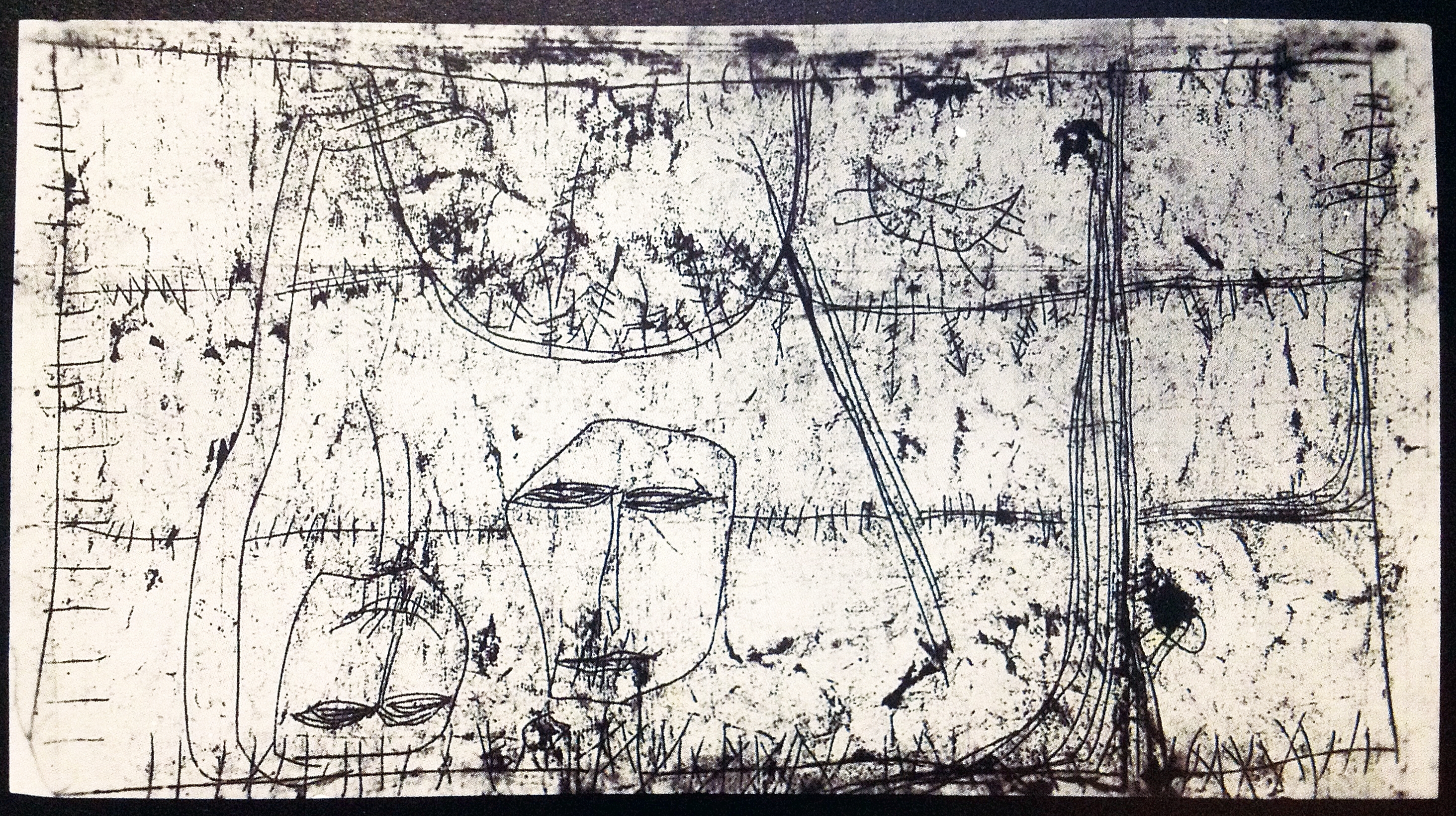
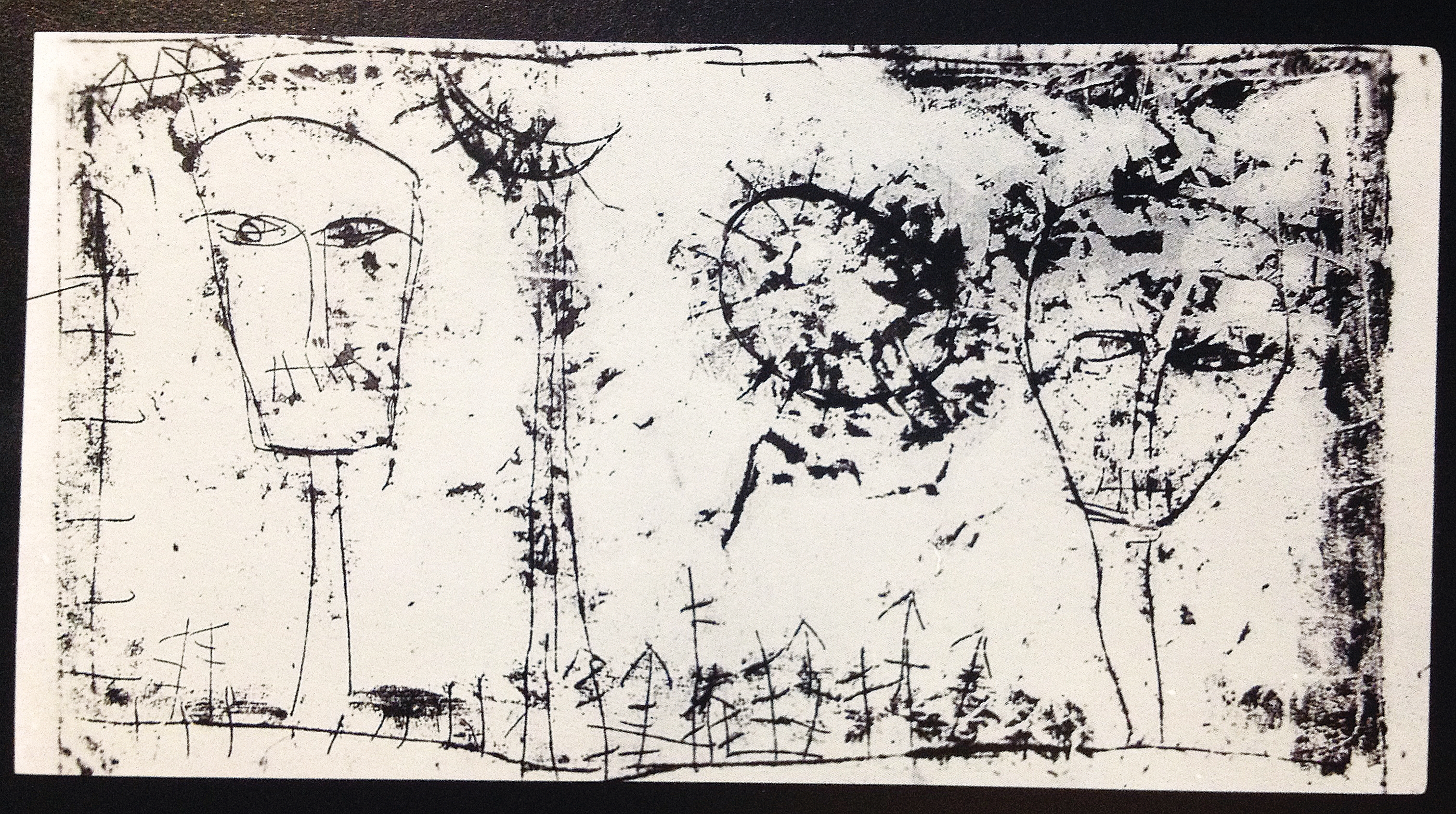
During his student years, Chiang created two works, "Search" and "Lost," featuring large, hollow faces with lips and canvases covered in nail marks and stitches, reflecting his youthful discontent with the world and his inner state. These works were destroyed by a typhoon, but "Jinzun / Transfigured Night," with its intricate iron wire sculpture, embodies the sorrow and anguish from his early creations. This sculpture, infused with a lifetime of experience, presents "Searching" and "Lost" in a more mature three-dimensional form. It also symbolizes Chiang's long-held aspiration to establish the Art Center.
Using old iron wires from the Art Center’s construction as the primary material, he enlisted specialists to craft a rotating frame. Accompanied by Mahler's music, the installation gently narrates his enduring artistic vision and heartfelt intentions.