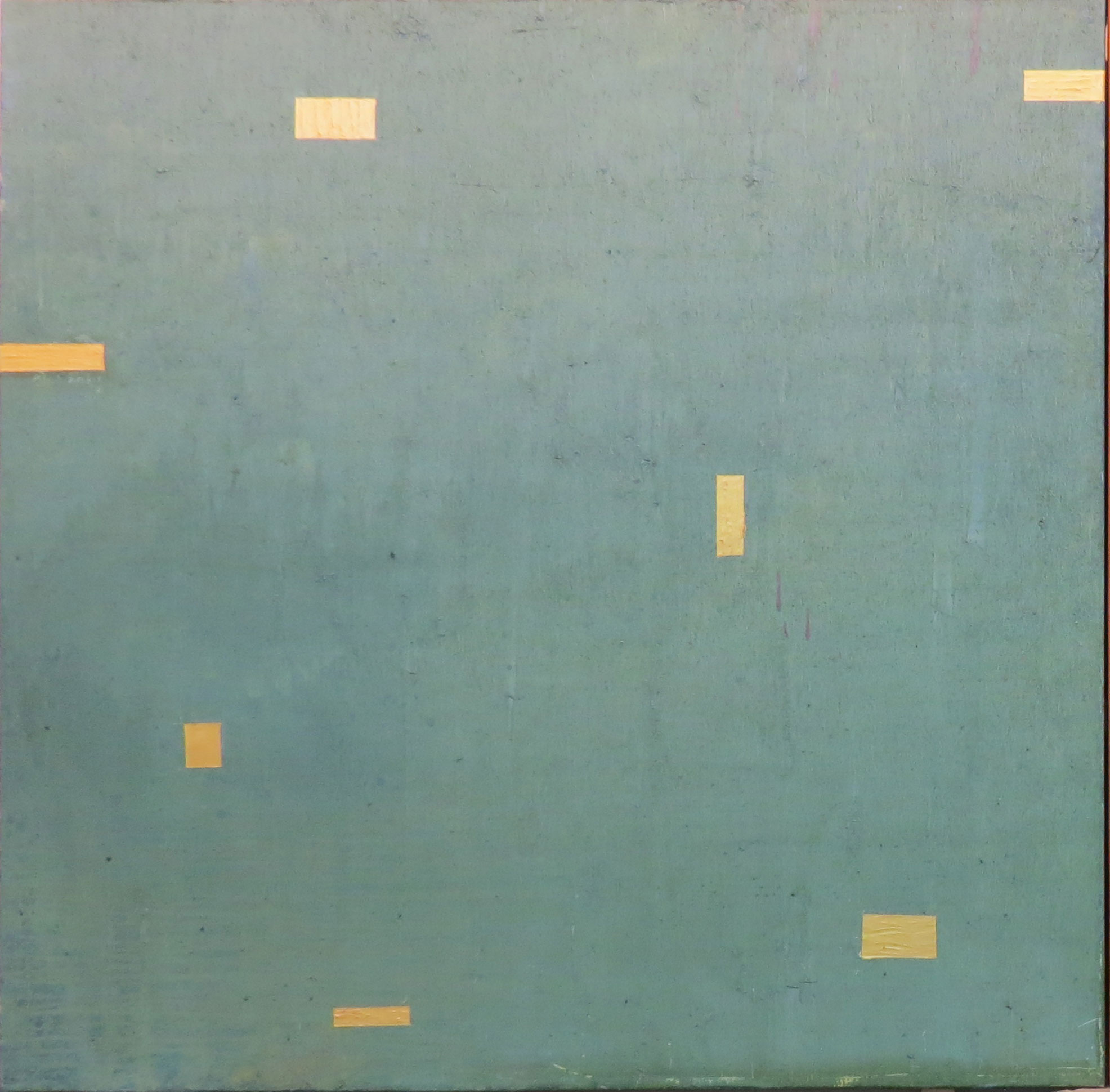
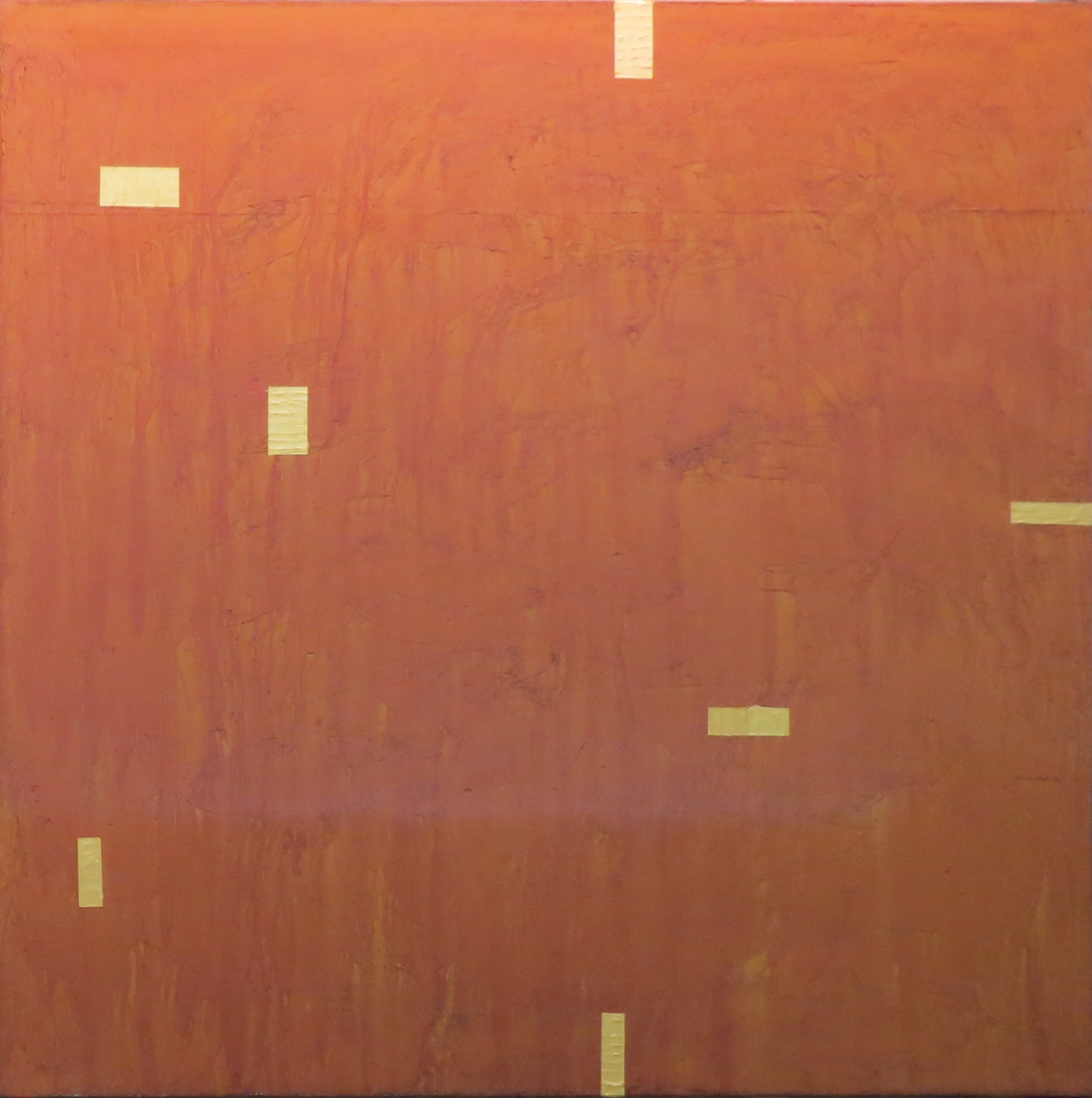
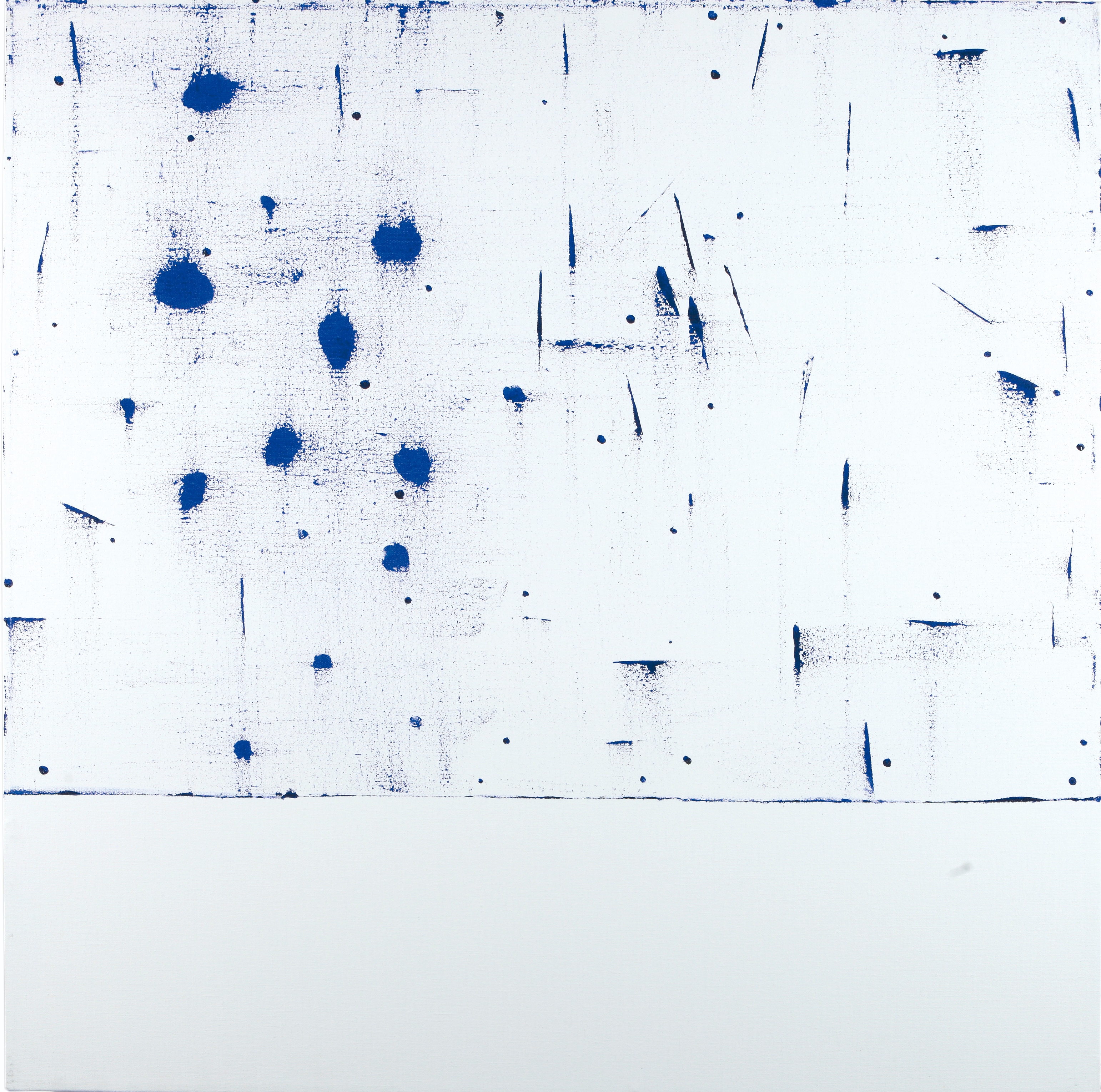
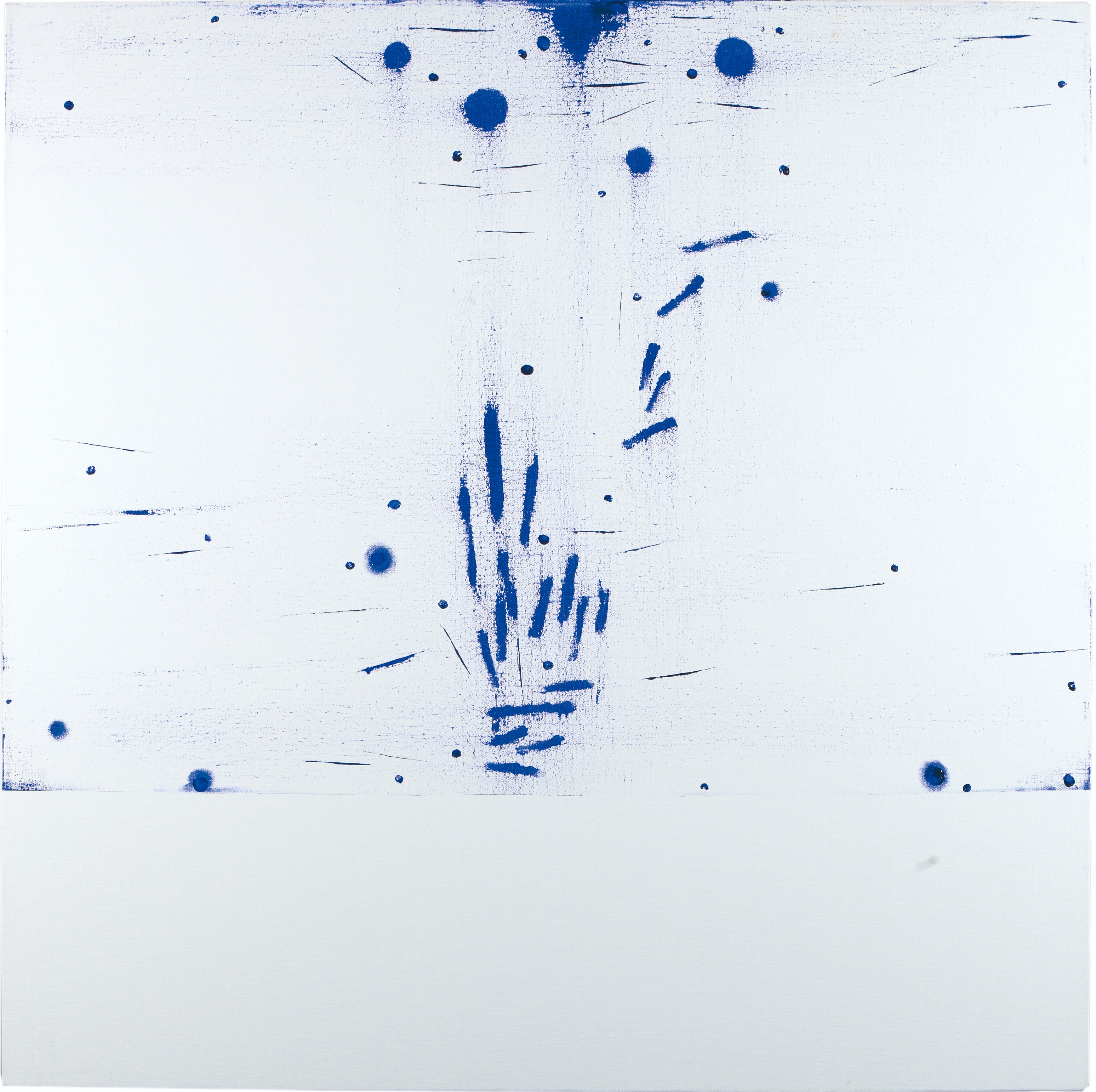
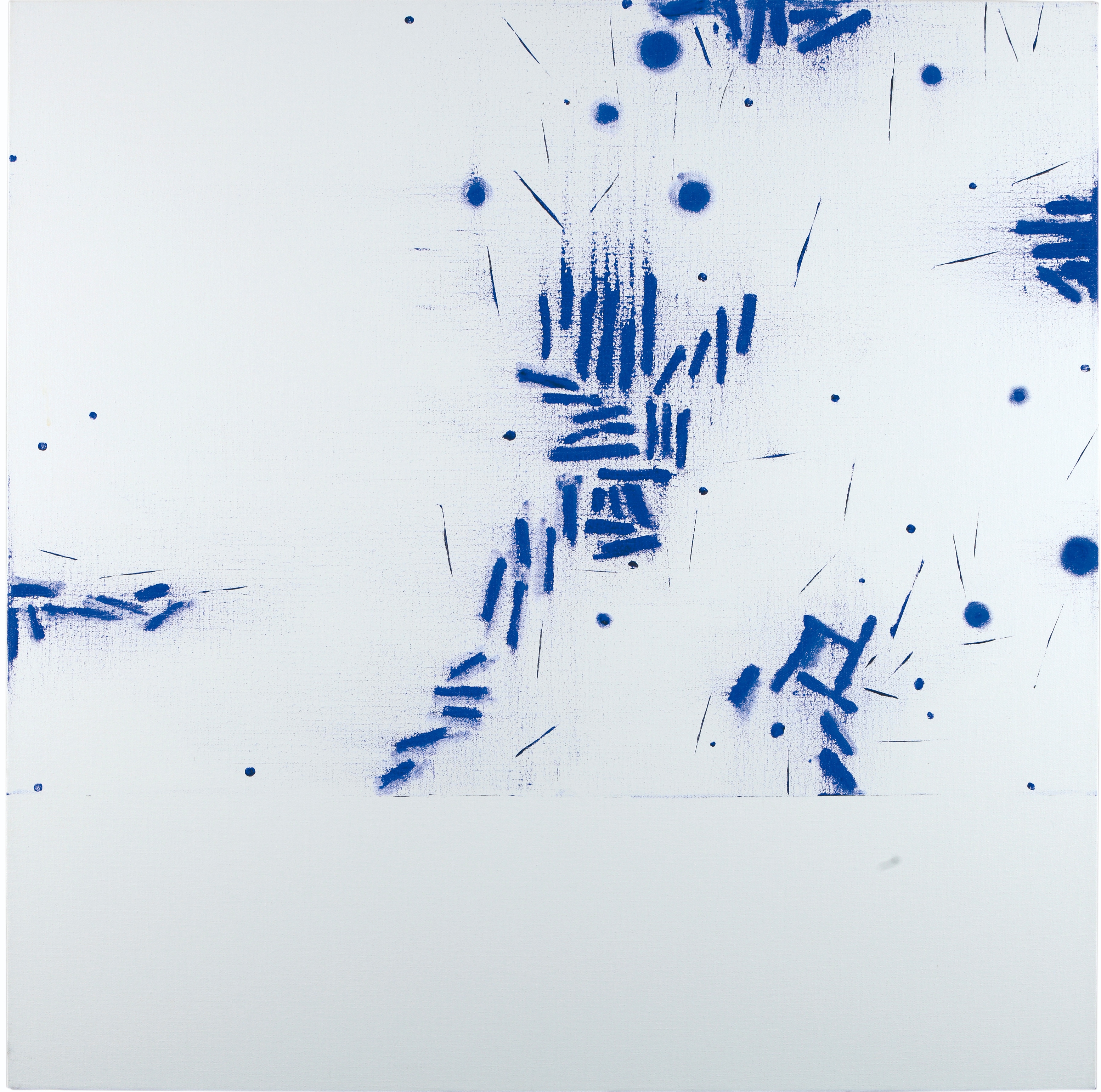
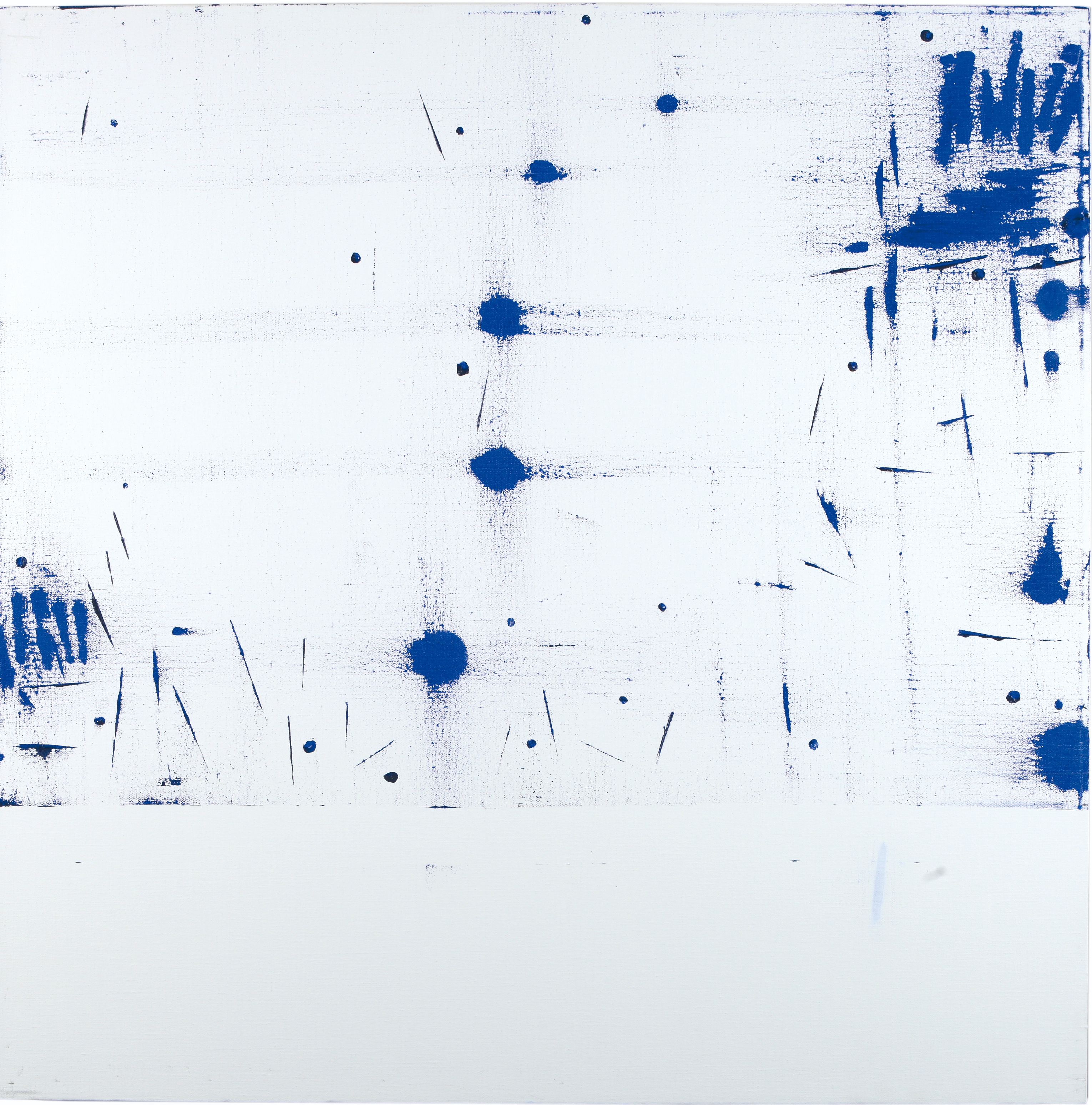
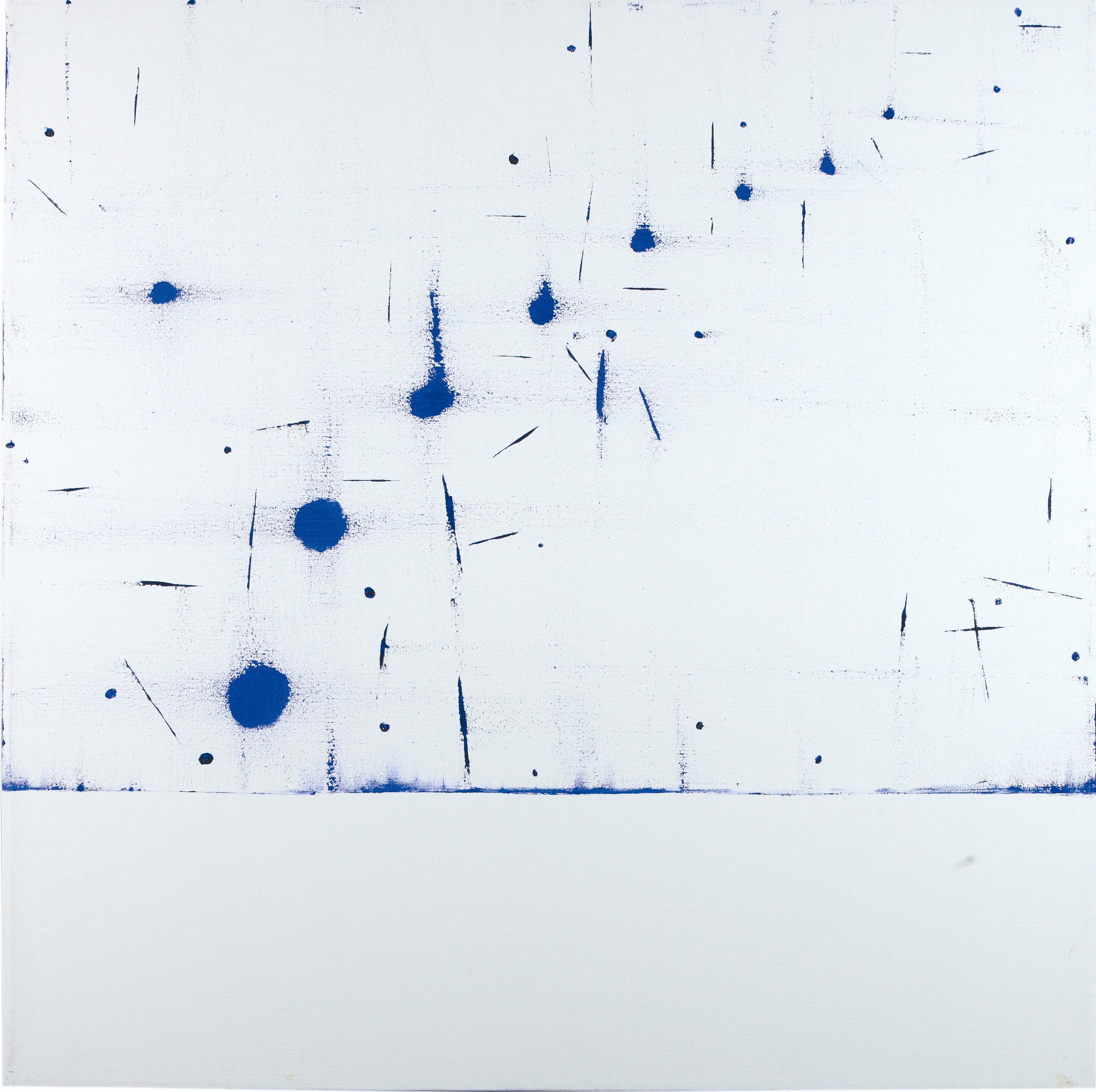
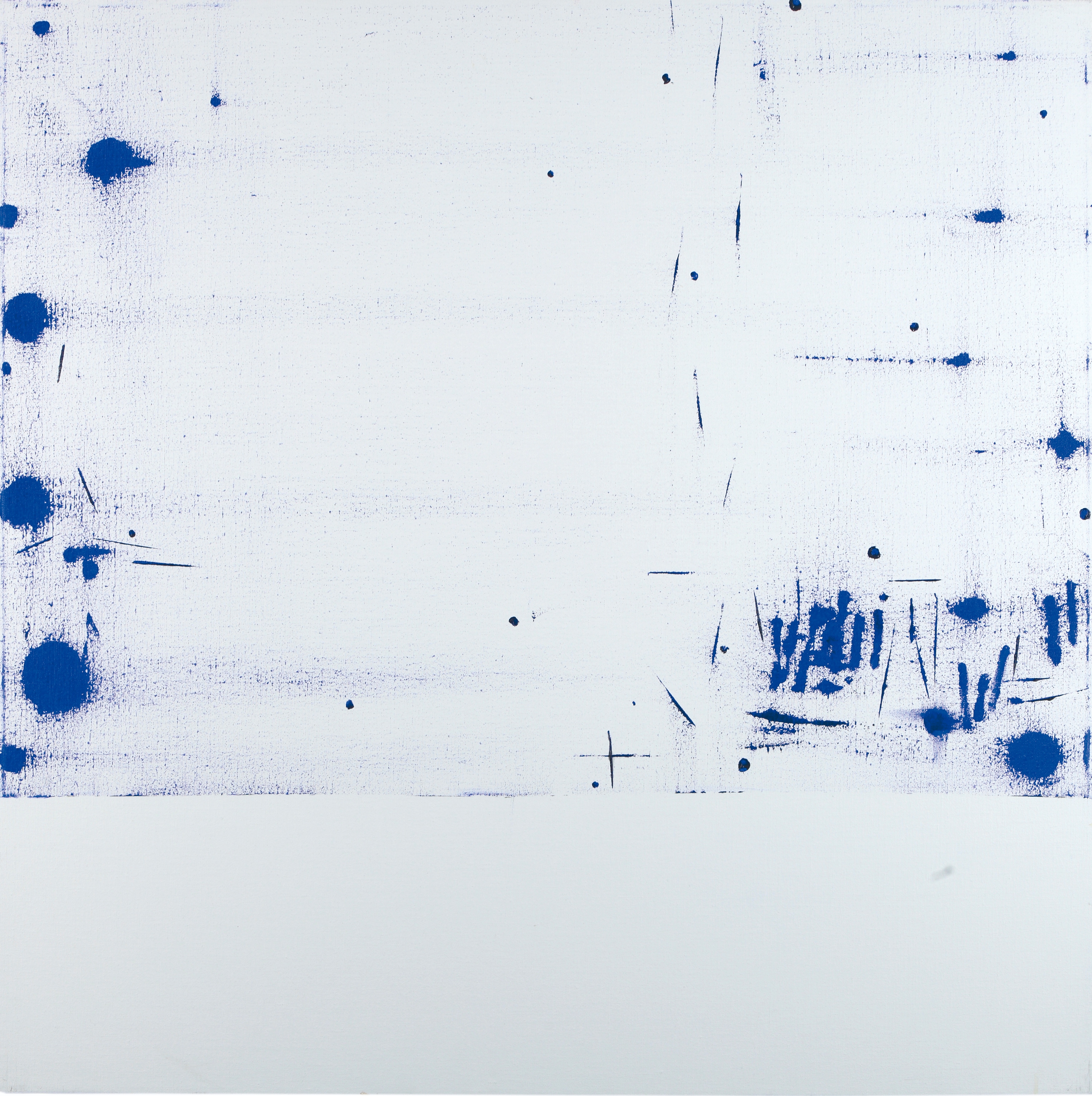
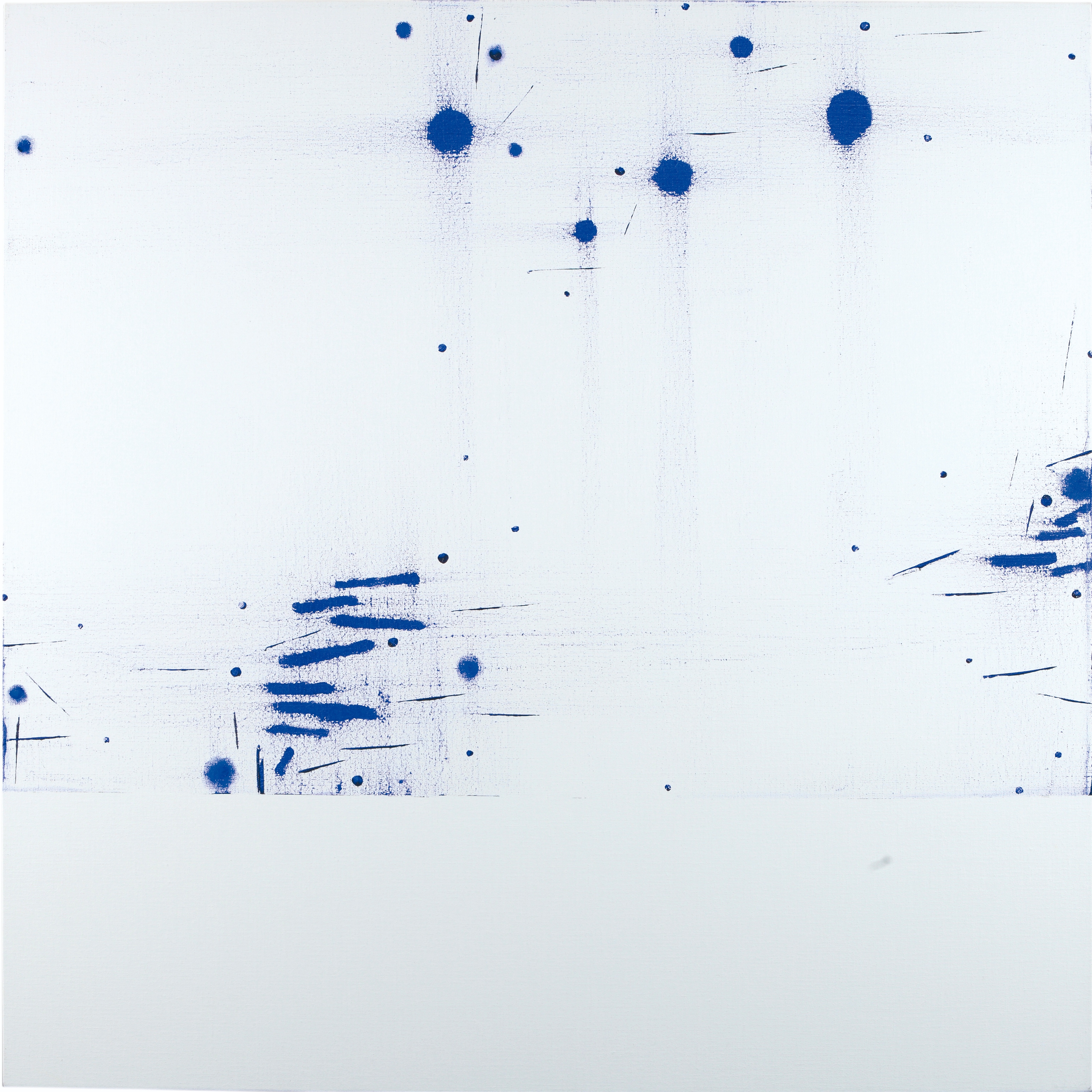
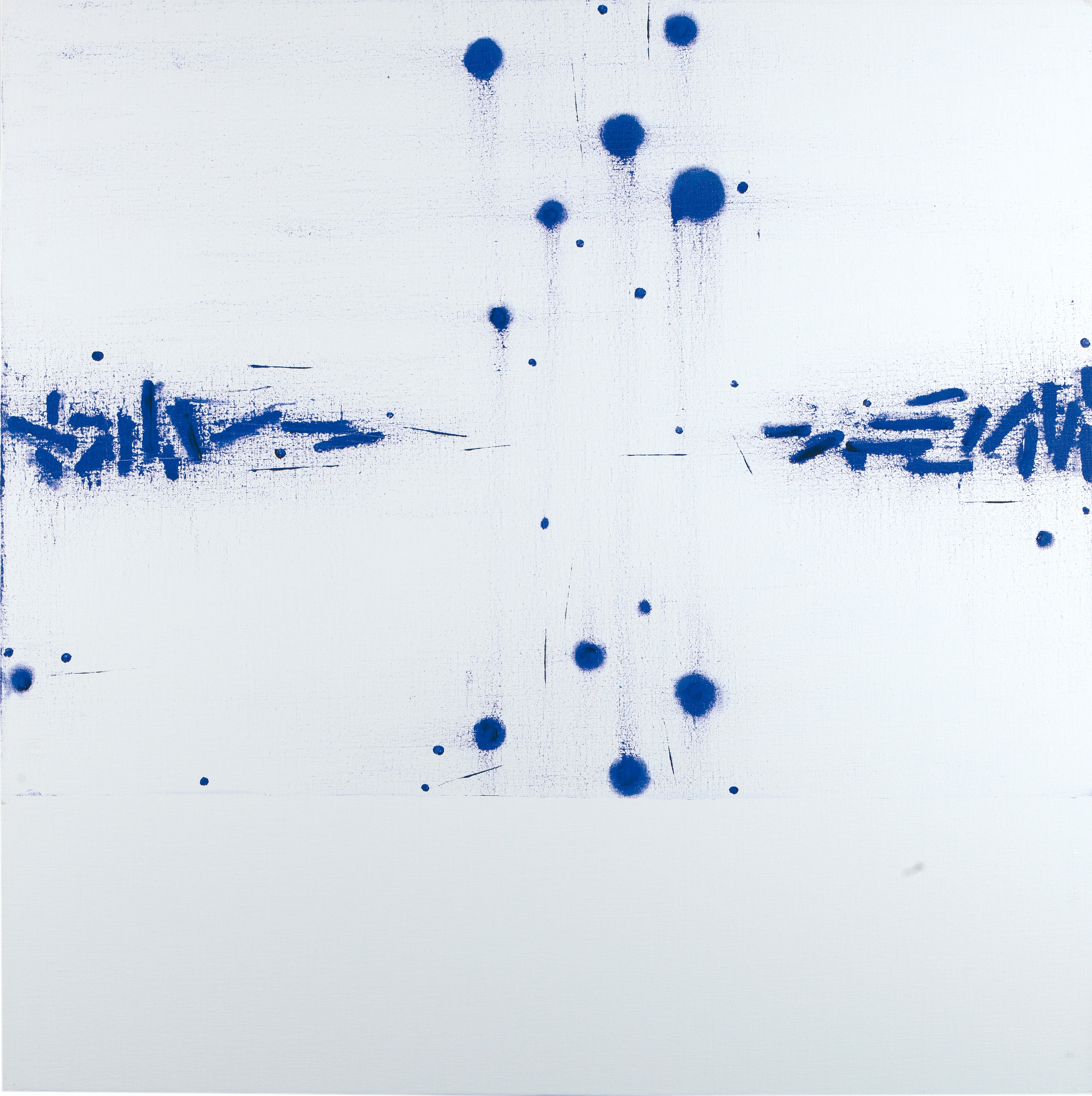
Classical music has always been a vital essence and a wellspring of inspiration for Chiang. The celebrated color gradations and the transparency of his paintings, unaffected by the layering of pigments, draw their inspiration from music. During his studies at the National Taiwan Normal University, Chiang witnessed a rehearsal conducted by the renowned French conductor Charles Munch. Munch's intense focus and his relentless pursuit of musical excellence left a profound impact on him. Reflecting on this experience, Chiang later said, “Unconsciously, I was influenced by the pristine sound, especially the layered, unfolding quality of string music. This influence carried into my work, where I leaned towards achieving a layered clarity in my use of color. Regardless of how dark or eerie my paintings might appear, their colors always remain crystal clear, never muddy or unclear.”

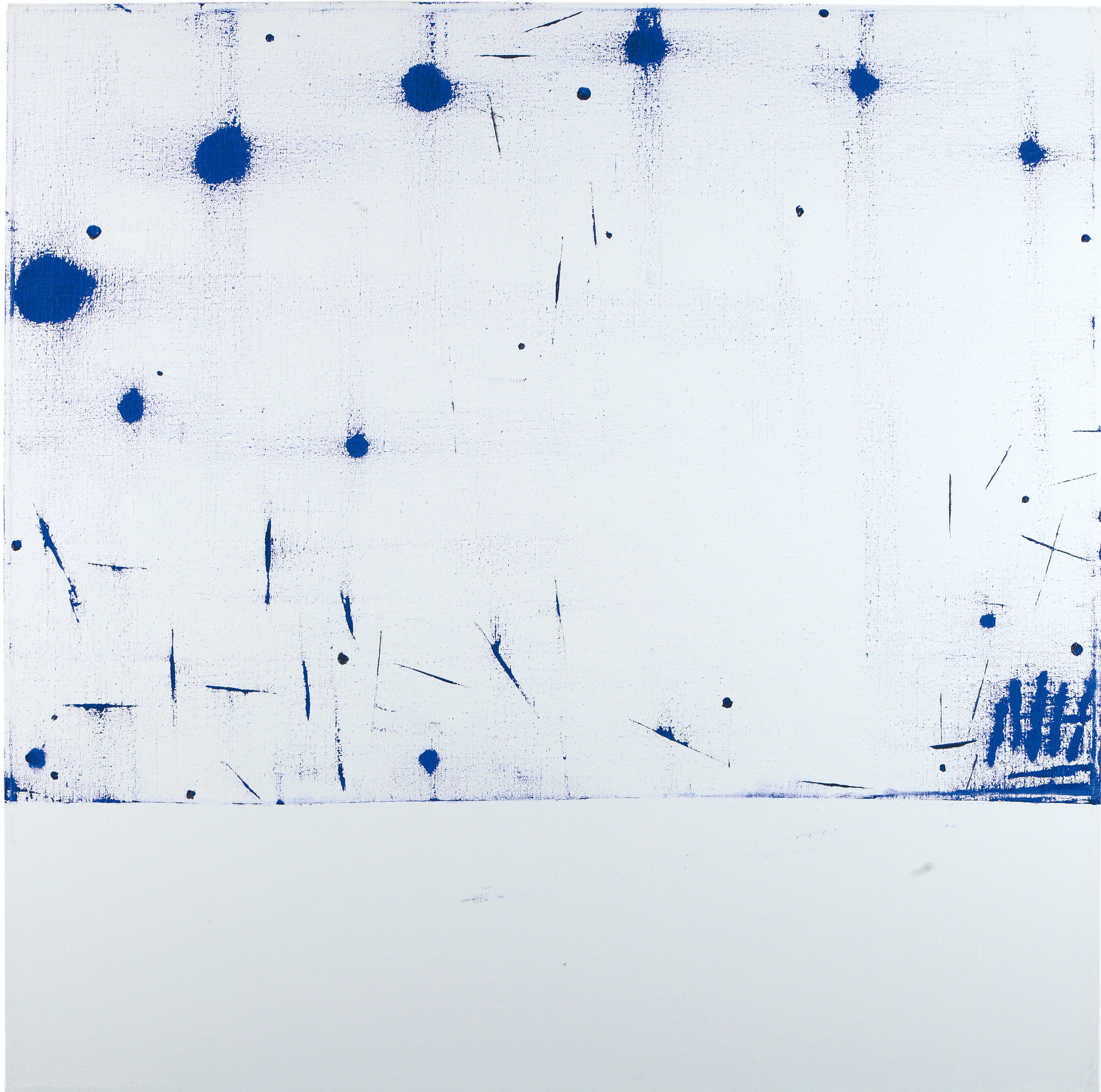
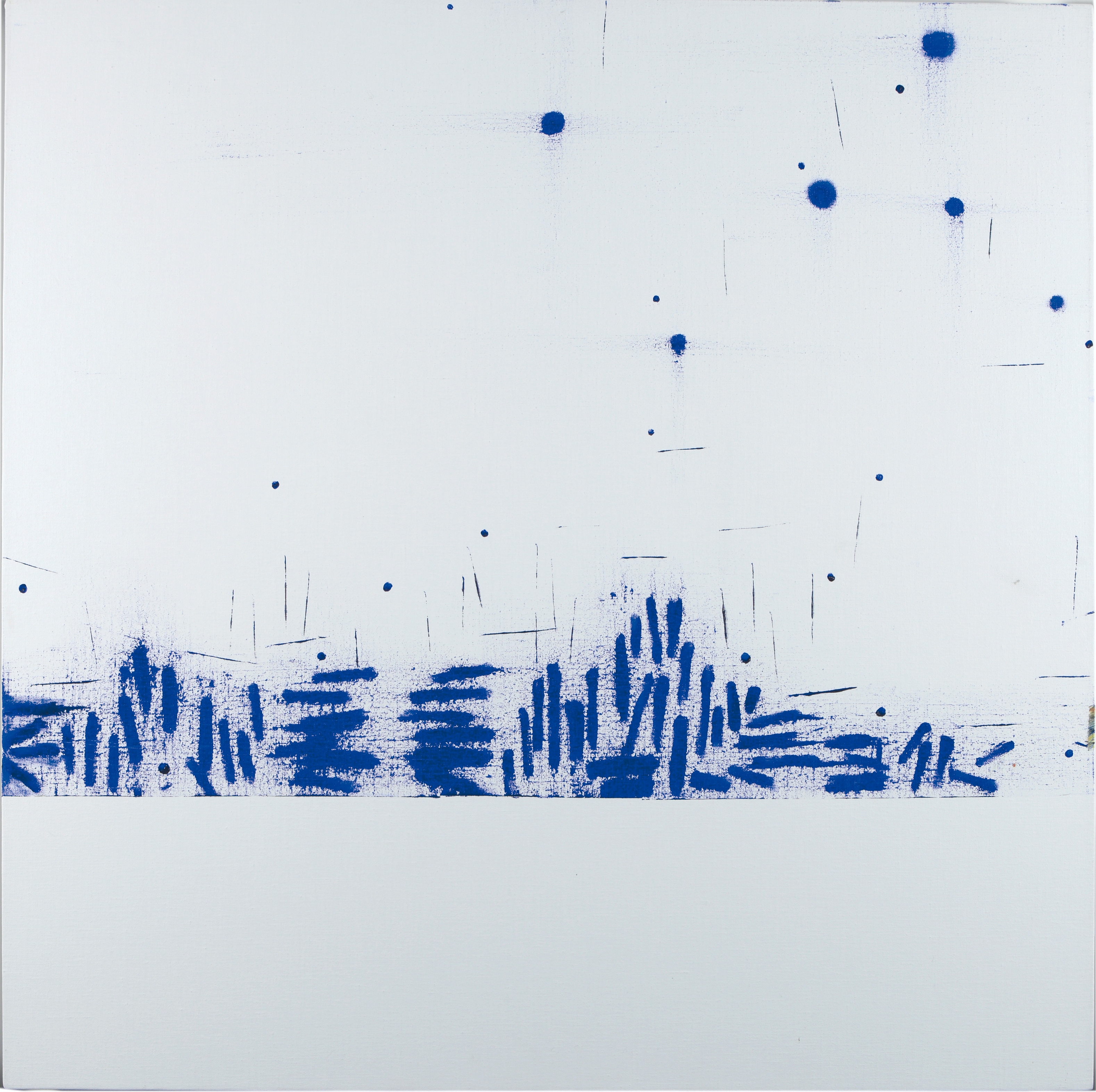
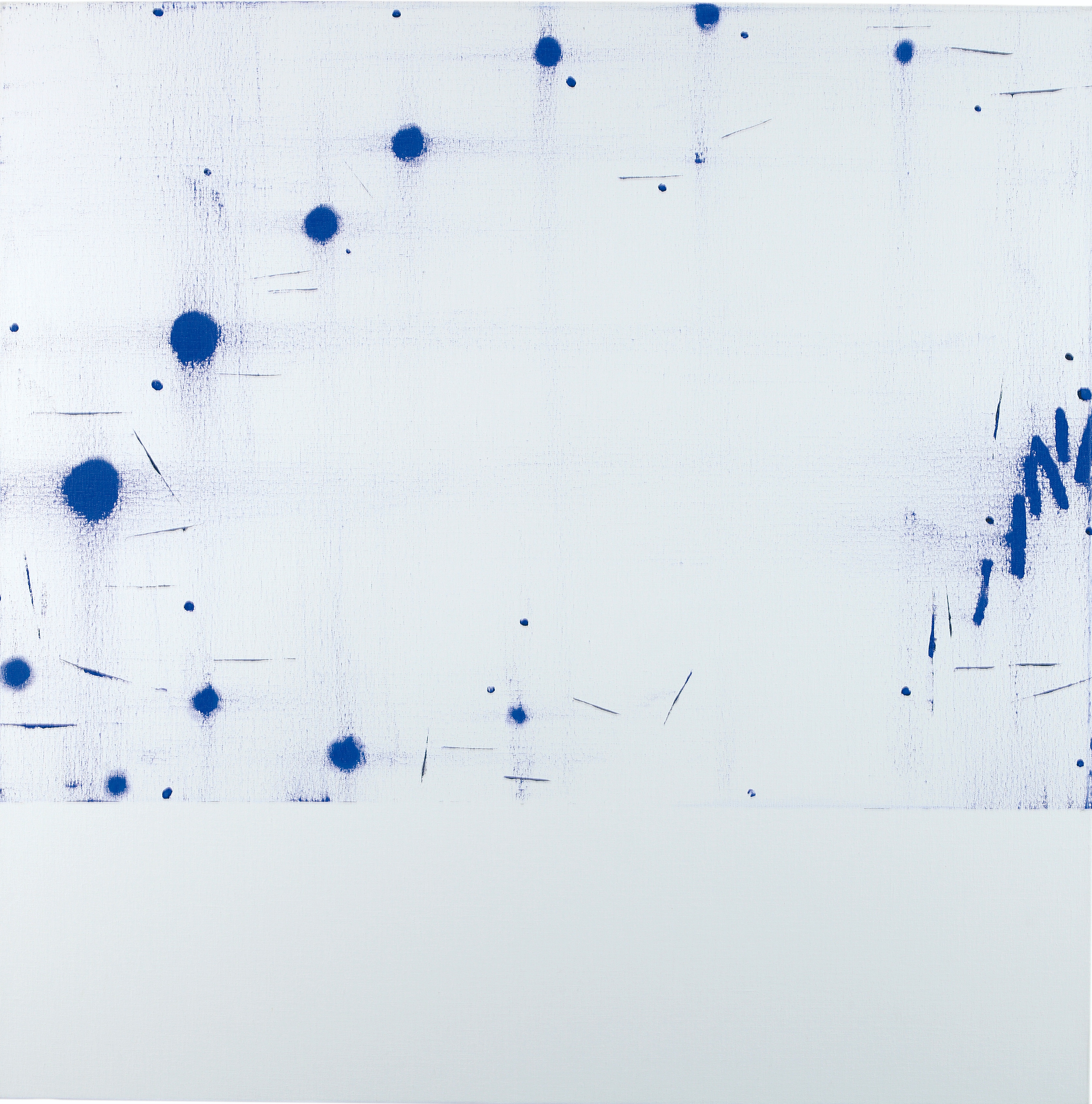
Throughout his various series, Chiang has paid homage to classical music. Early works like "Transfigured Night," "Songs Without Words," and "Songs of the Wanderers" all take their titles from musical compositions. After relocating to Taitung in 2008, his style became even more refined. Series such as "Bach," "Debussy," and "On Wings of Song" integrate the soaring and floating qualities of musical notes into the realm of painting.

Songs of the Wanderers

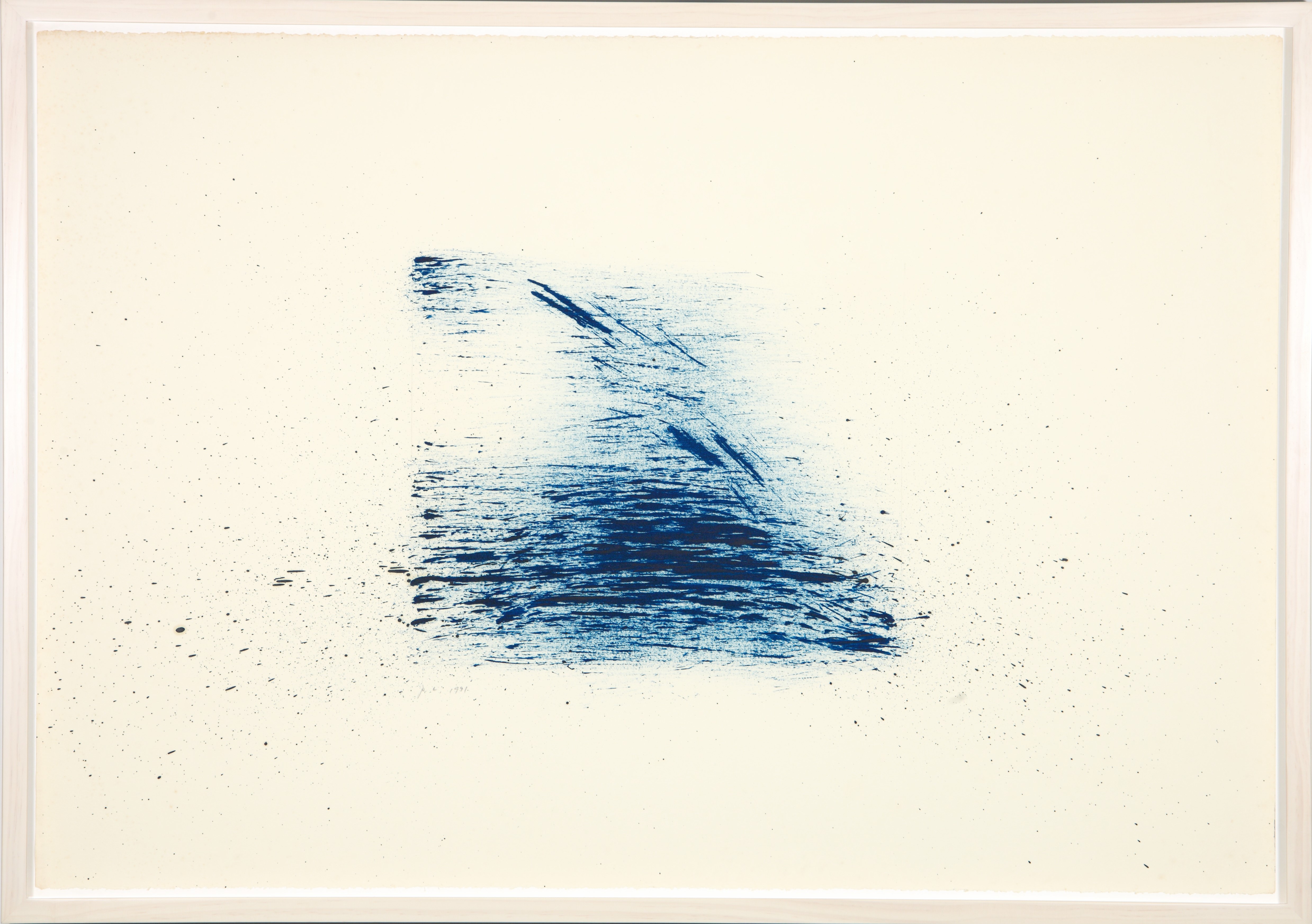
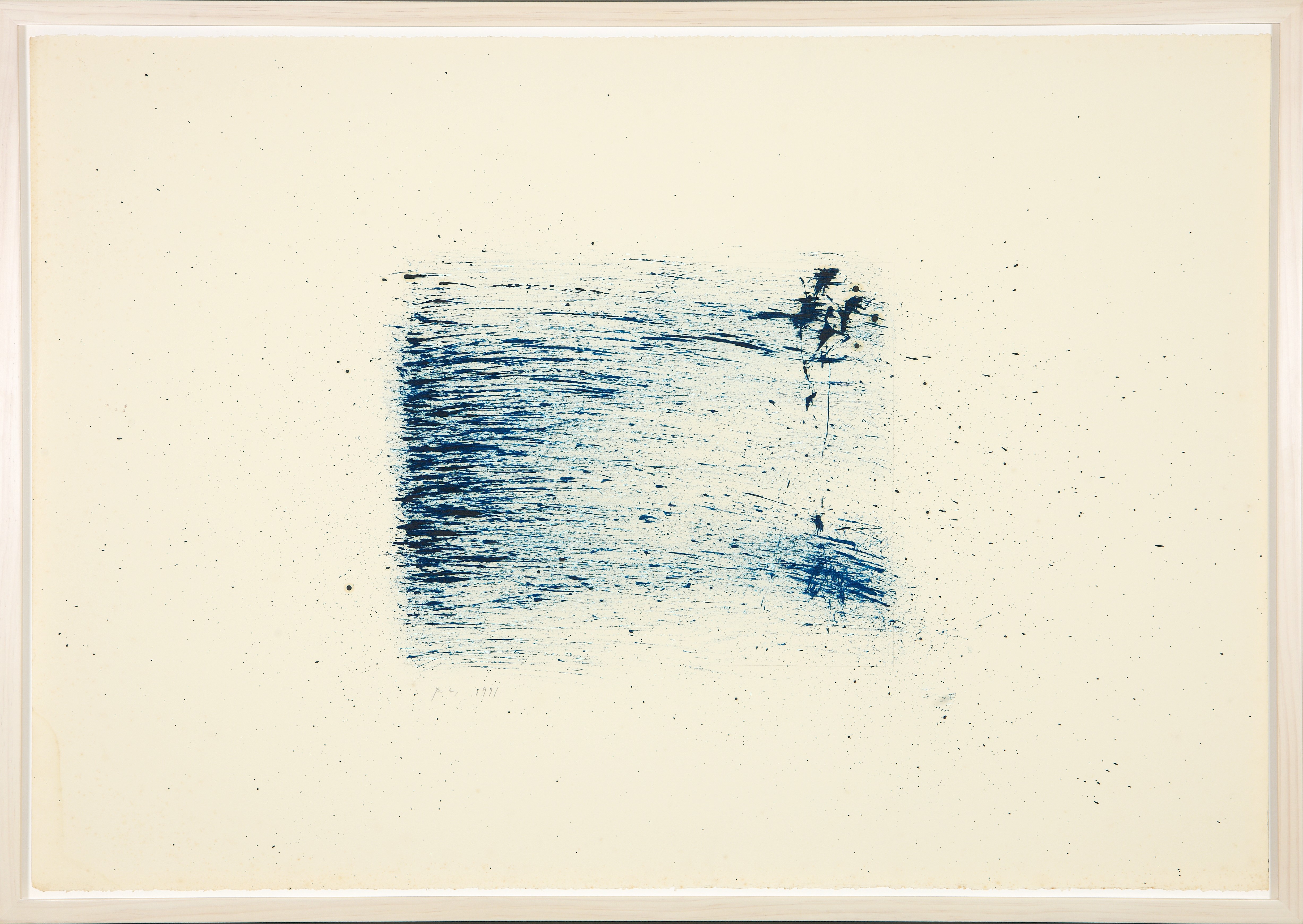
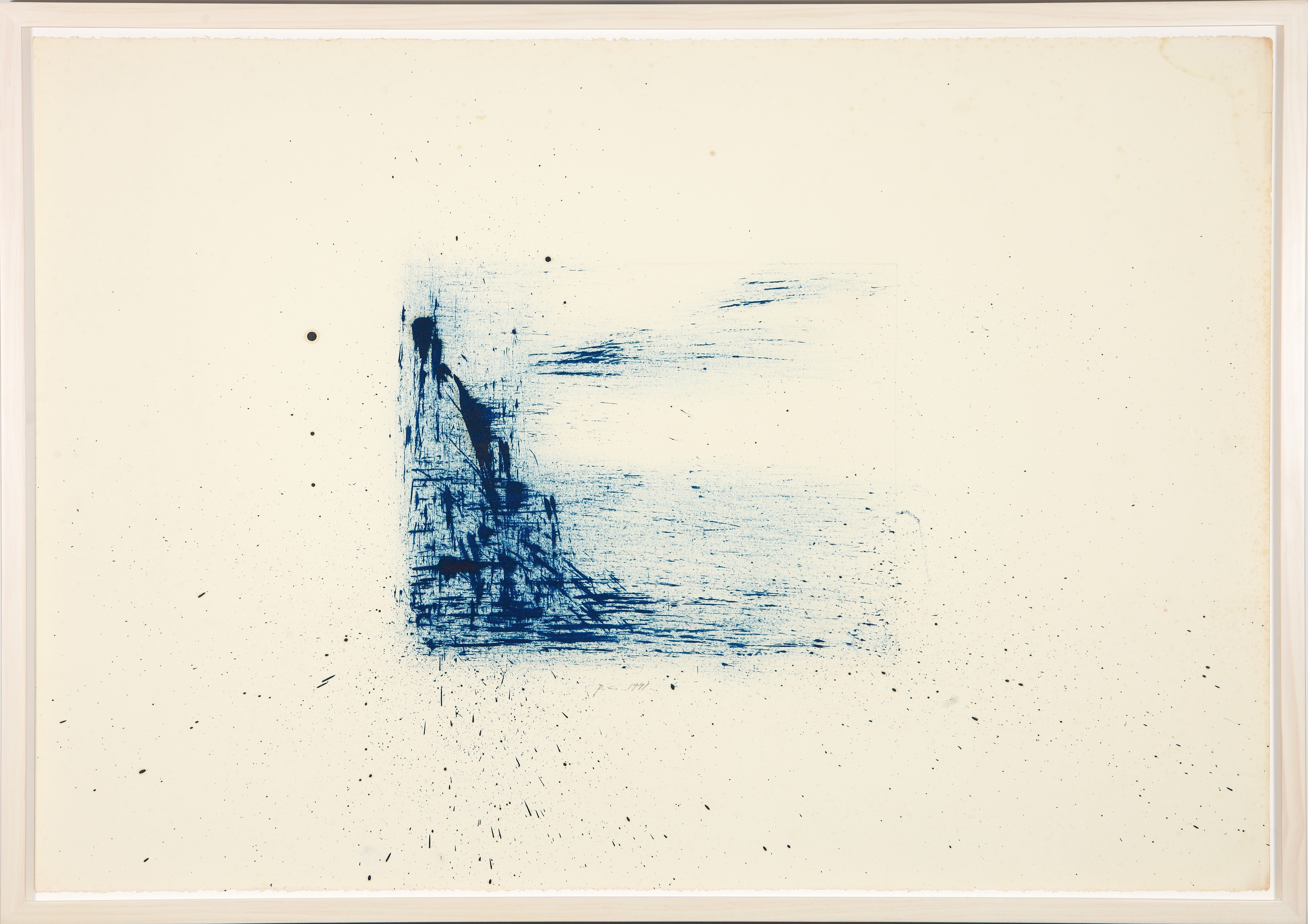
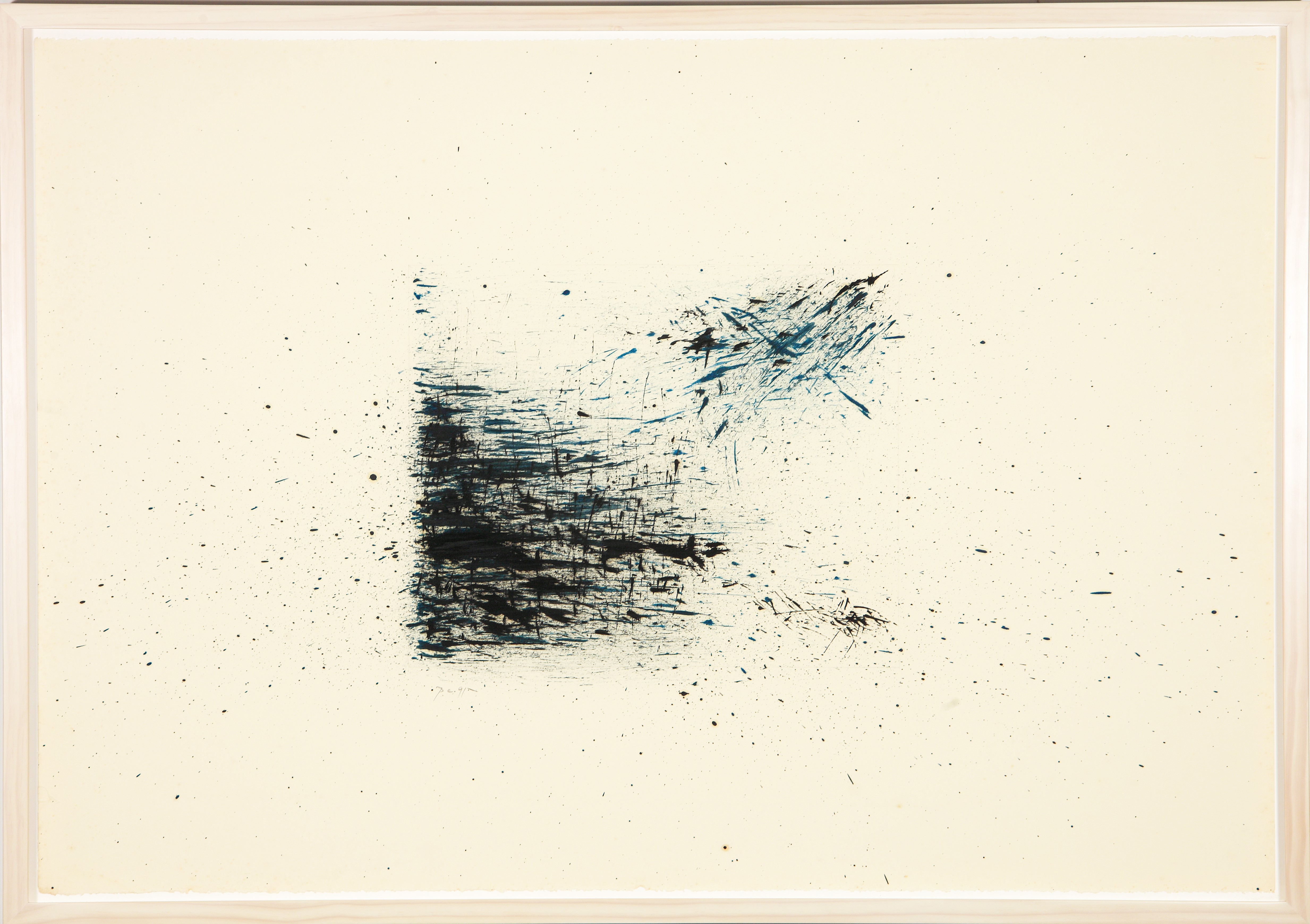
After creating "Notre Dame de Paris" in 1982, Paul Chiang finally began to feel more confident about his potential as an artist. However, spending his days alone in his New York studio, which felt like a confining cell, he often found himself grappling with anxiety and melancholy. Whenever his creative process hit a roadblock, Chiang would turn to music, both as a means of emotional release and as a source of inspiration. This practice led to the creation of several series named after musical pieces, such as the "Songs of the Wanderers," created between 1990 and 1991. 

In the early 1990s, during a period of intense struggle, Chiang found great solace in the famous piece "Zigeunerweisen" ("Gypsy Airs") by the legendary Spanish violinist Pablo de Sarasate (1844-1908). This inspiration culminated in nearly thirty works on paper, titled "Songs of the Wanderers.” Chiang employed a single color and used various tools to rub, grind, or scrape the paper, leaving marks that resembled scars. What initially appears to be a tranquil blue surface is, in reality, filled with the rhythmic tension of lines. These lines echo the dramatic and occasionally subtle shifts in the music of "Zigeunerweisen," mirroring the emotional highs and lows Chiang experienced.


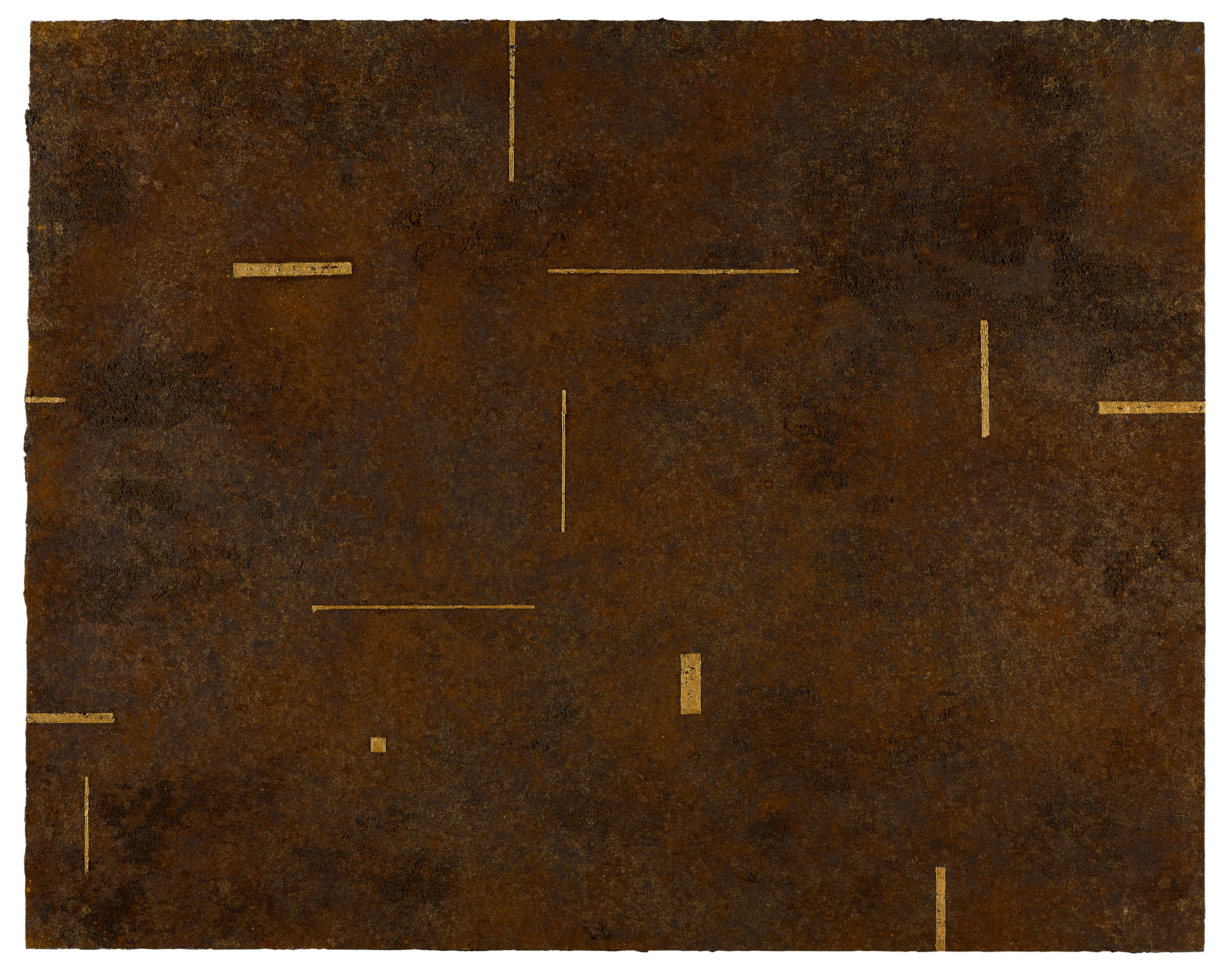
Songs Without Words

Felix Mendelssohn's renowned piano collection, "Songs Without Words," is celebrated for its delicate beauty and expressive quality. Inspired by Mendelssohn's "Songs Without Words," Chiang created a series characterized by minimalist elegance with a harmonious blend of strength and softness.

One notable piece from this series, "Song Without Words 99" (1991-1999), was started in 1991 and took ten years to complete. Chiang mixed sand from Long Island, New York, into the oil paint, resulting in a dry texture that required considerable time. Layers of deep brown paint and sand are interwoven with golden lines, creating a texture that is both powerful and delicate. This piece evokes the emotional nuances of moving to a foreign land and returning home, perfectly translating the sentiment and spirit of Mendelssohn's music into a visual form. It stands as a masterpiece of life, refined through the passage of time.


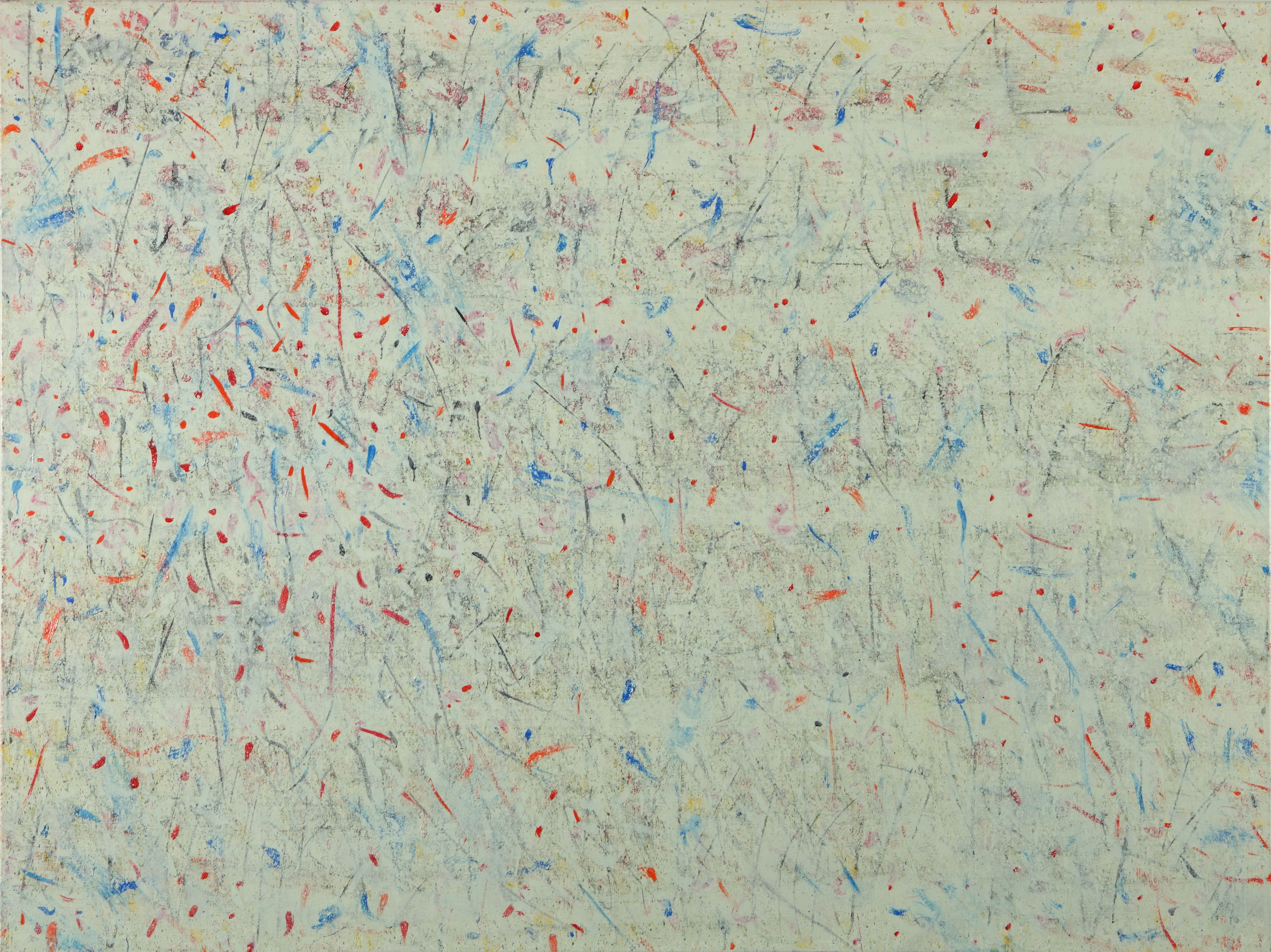
Bach

Chiang often listened to Glenn Gould’s performances of Bach’s works. Gould's habit of humming along as he played the keyboard naturally became part of his recordings, blending seamlessly with the music. For a period, Chiang listened to Bach’s "The Well-Tempered Clavier" daily. Using his fingers, Chiang translated the melody and dynamics of Bach’s music onto the canvas, allowing the music to become alive. He synchronized his brushstrokes with the duration of the musical pieces, letting his fingers move freely until the piece concluded, at which point the painting was complete. By this time, Chiang had reached a level of creative freedom where he could fully enjoy expressing his inner desires through his art. This painting was his homage to Bach.


On Wings of Song

"On Wings of Song" was originally a poem by the German poet Heinrich Heine (1797-1856). Composer Felix Mendelssohn (1809-1847) turned this romantic and dreamy poem to music, creating a solo piece for piano and voice. The melody, often sung by a soprano, is gentle, warm, and sweet, resonating deeply with Chiang’s increasingly joyful state of mind after settling in Taitung, liberated by nature.

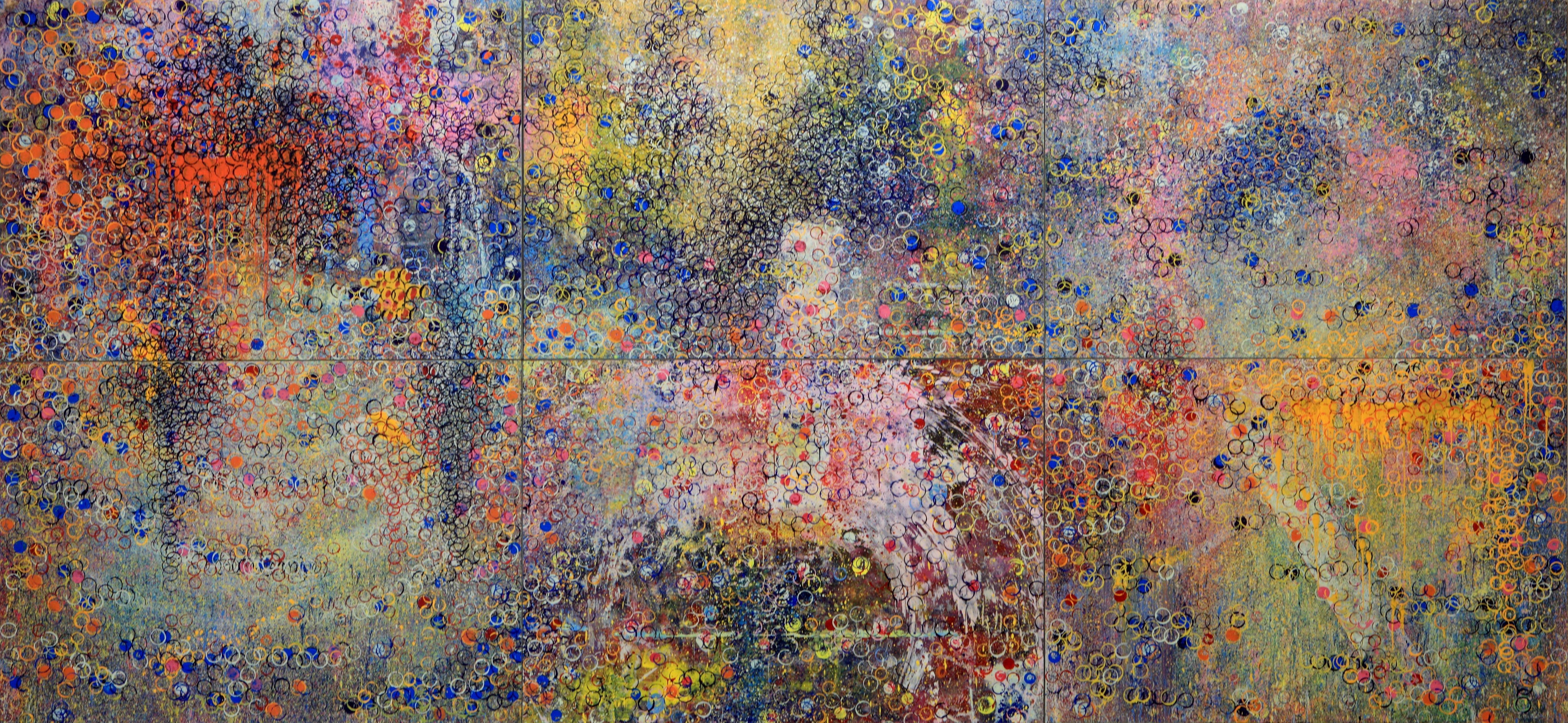
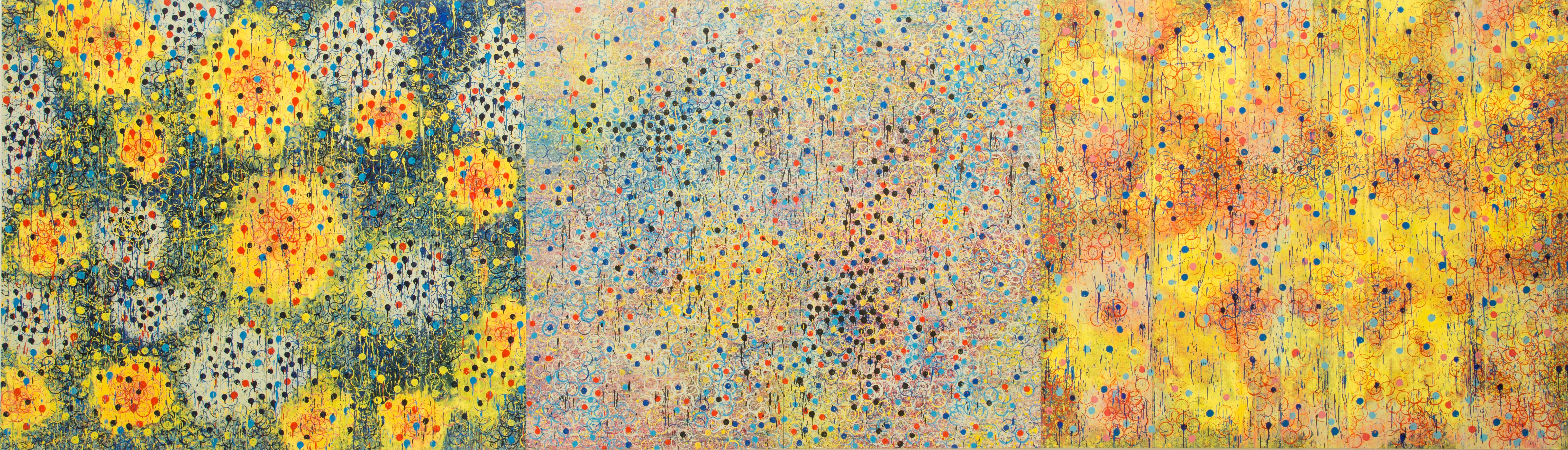
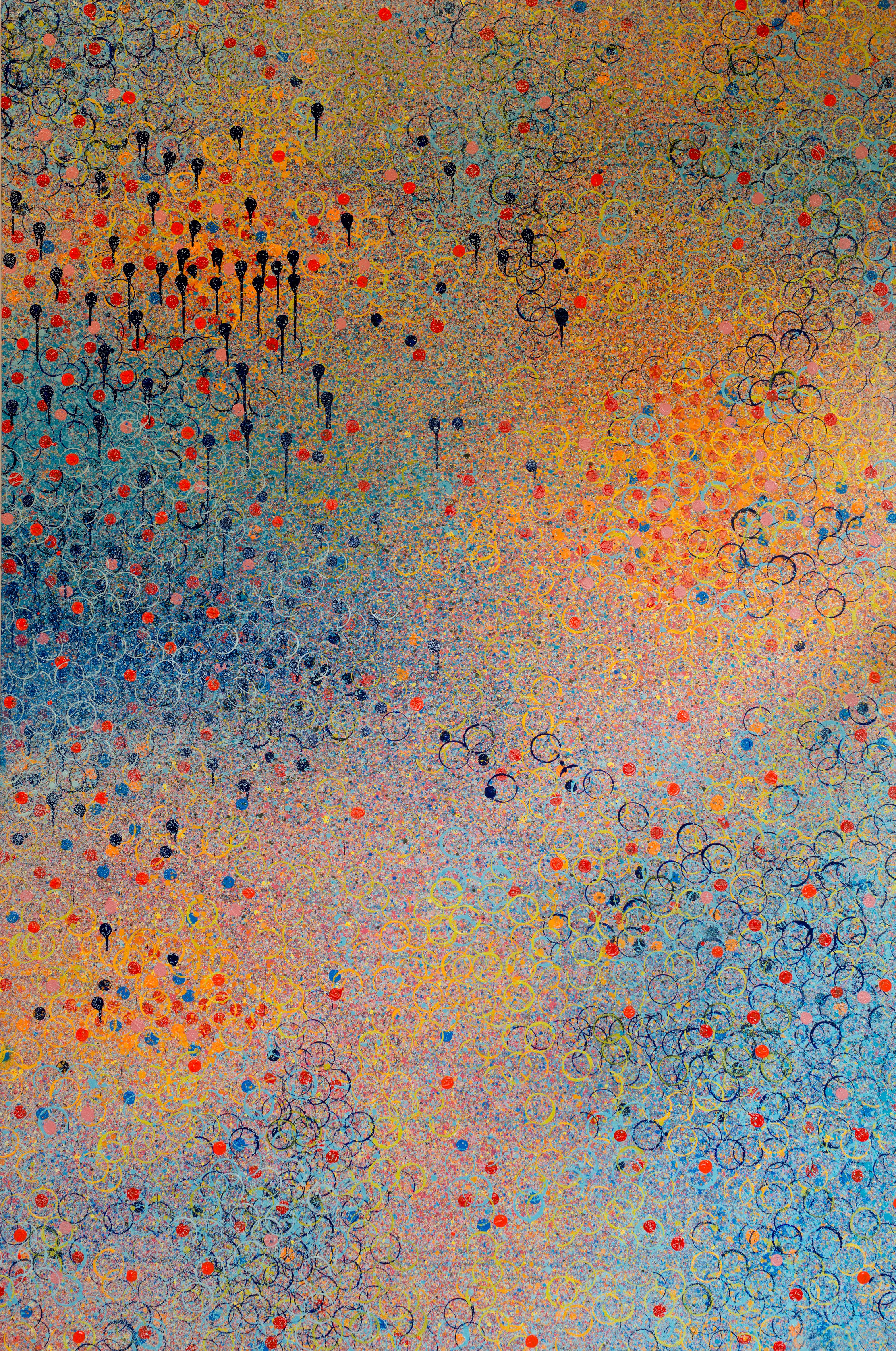
Chiang translated this piece of music onto the canvas in a more liberated style, even abandoning the use of a paintbrush. Instead, he used paint cans from his studio to stamp various-sized circles across the expansive canvas, creating a balanced composition. In this work, Chiang seamlessly integrated poetry, music, and painting, achieving a perfect harmony among the three art forms. His brush captured serene and pure moments, with the melodious music seemingly lingering in the depths of the painting.


Debussy

Chiang describes Debussy’s "Clair de Lune (Moonlight)" as his first love in music. The year he was admitted to the art department at National Taiwan Normal University, Chiang was diagnosed with early-stage tuberculosis and had to take a year off. During this time, "Clair de Lune" provided solace to his melancholic spirit.

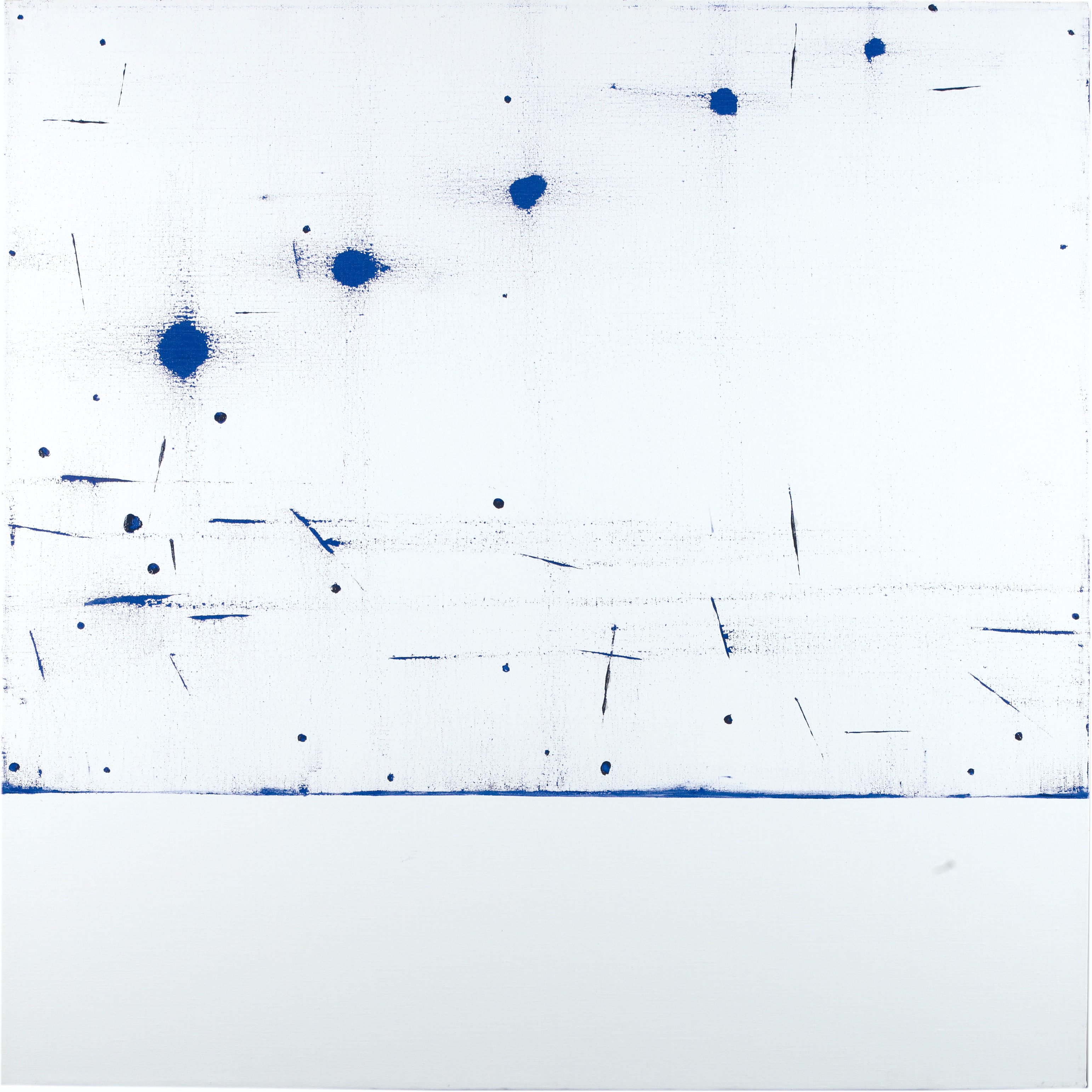
In his youth, he longed to translate his feelings from listening to Debussy’s music into painting, but he repeatedly struggled to find the right approach. Unexpectedly, after turning seventy, he was able to seamlessly continue his unfinished dream from his youth, creating the twelve-piece series "Debussy." Unlike his other works, which are spontaneous and natural, this series was carefully premeditated. Chiang thoughtfully considered the composition of the series, the use of negative space, and the application of indigo paint. His technique is simple yet natural, using a palette knife and his fingers to create images that evoke the sensation of musical notes dancing and natural harmonics resonating.